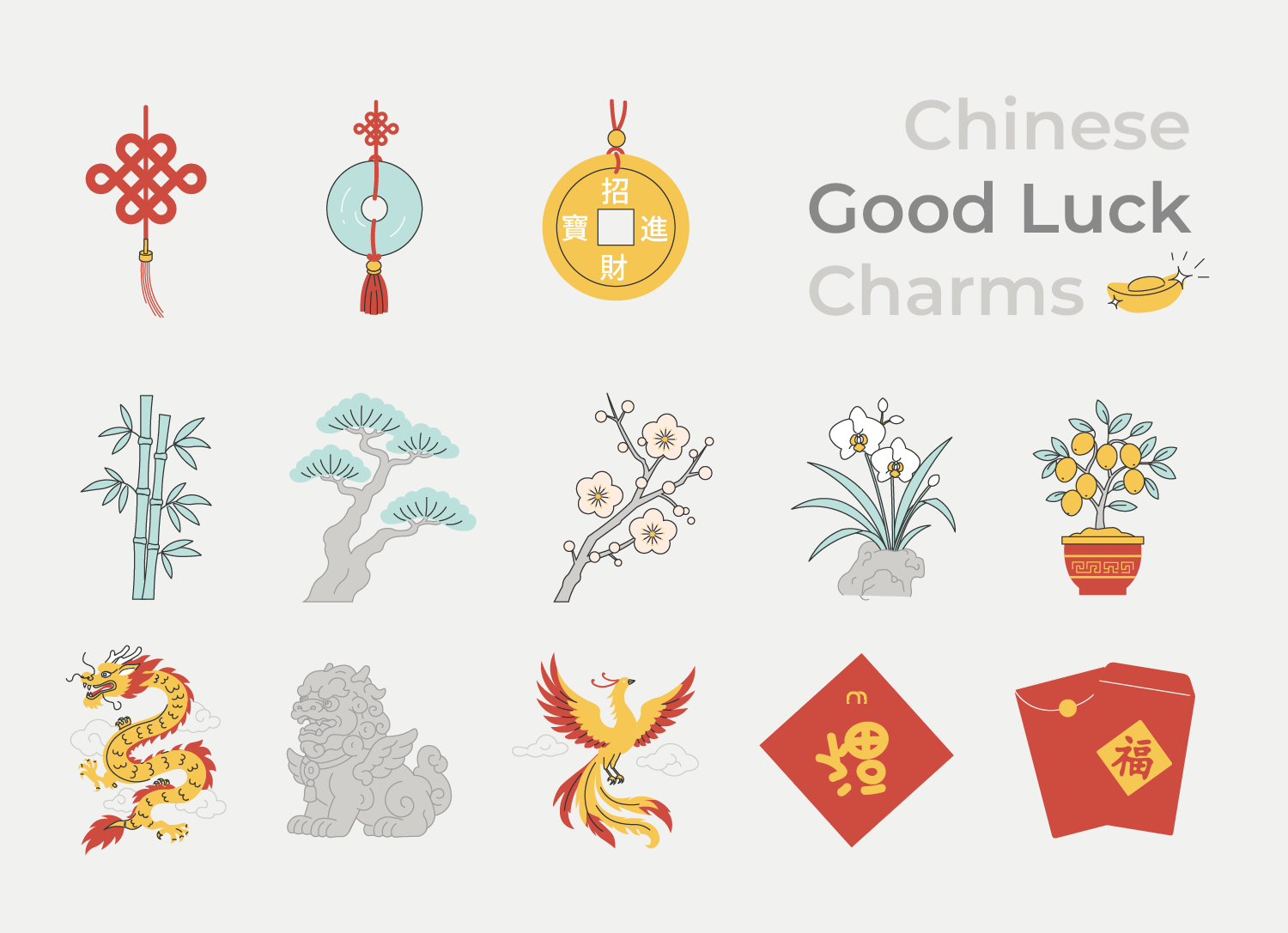
Chinese culture has a long tradition of using symbols, objects and decorations to represent good fortune, happiness, prosperity and protection. You may see these symbols on everything from jewellery and home decorations to wedding invitations, New Year decorations and gifts.
Some are instantly recognisable, such as the 福 (fú) character or a red envelope. Others, such as 貔貅 (píxiū) or the Eight Trigrams, have deeper connections to Chinese folklore, feng shui and traditional beliefs.
But not every “lucky” object has the same meaning, and not everyone in China treats these traditions in the same way. Some people actively follow traditional beliefs, while others use these symbols because of family traditions, cultural associations or simply because they are beautiful.
In this guide, we’ll explore some of the most well-known Chinese good luck charms and lucky symbols, what they traditionally represent and where you might encounter them in China.
Key Takeaways
-
Chinese lucky symbols are often associated with happiness, prosperity, longevity and protection.
-
福 (fú) is one of the most recognisable symbols of good fortune.
-
Jade has a long history in Chinese culture and can represent qualities such as virtue, protection and status.
-
Chinese knots are associated with ideas such as unity, continuity and good fortune.
-
Red envelopes (红包, hóngbāo) are gifts that carry wishes for happiness and good fortune.
-
貔貅 (píxiū) is a mythical creature associated with wealth and protection in traditional Chinese beliefs and feng shui.
-
Dragons have important associations with power, auspiciousness, water and imperial authority.
-
Plants, animals and everyday objects can become auspicious through their appearance, symbolism or even the way their names sound.
What Are Chinese Good Luck Charms?
The idea of a “good luck charm” is a useful way to describe many traditional Chinese objects and symbols, but it doesn’t quite capture all of them.
Chinese culture has many concepts connected with auspiciousness, blessings and good fortune.
One particularly useful word is 吉祥 (jíxiáng), meaning “auspicious,” “fortunate” or “lucky.” You may see 吉祥 used to describe objects, phrases, decorations or occasions that are associated with positive outcomes.
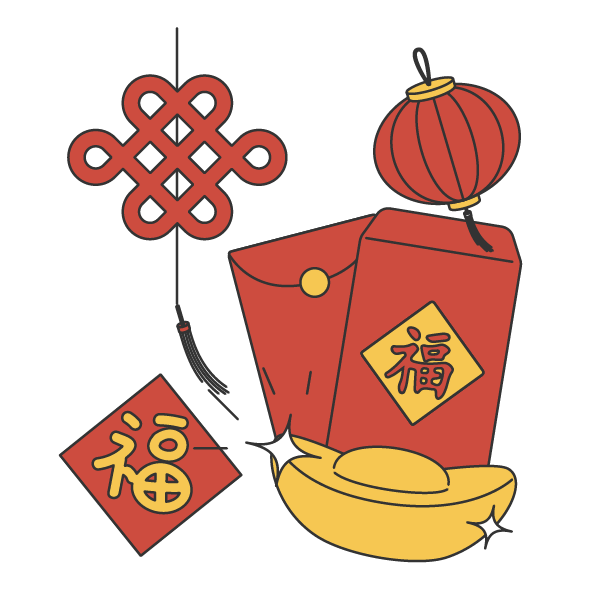
Another important character is 福 (fú), which can mean good fortune, blessing or happiness. It is one of the most recognisable symbols associated with good luck in China and is particularly prominent during the Lunar New Year.
Luck, Protection and Prosperity
Not every traditional symbol is intended to represent exactly the same thing.
Some are associated with good fortune:
- 福 (fú)
- Red envelopes
- Chinese knots
Others are associated more specifically with wealth and prosperity:
- Lucky coins
- 元宝 (yuánbǎo), traditional gold or silver ingot shapes
- 貔貅 (píxiū)
Others have associations with protection, longevity or particular virtues.
This is why it is useful to look at the history and symbolism behind each object rather than simply calling everything a “lucky charm.”
副
fú
luck; good fortune
吉祥
jíxiáng
auspicious; lucky
Where Do You See These Symbols?
Chinese auspicious symbols can appear in many everyday settings, including:
- Homes
- Shops and businesses
- Weddings
- Lunar New Year celebrations
- Jewellery
- Gifts
- Clothing
- Temples and traditional buildings
- Festivals (Check out our guide on Chinese Festivals)
Some people use these objects because they believe in their traditional meaning, while others simply appreciate them as part of Chinese culture.
In other words, a lucky symbol can be meaningful without everyone who displays it believing that it has supernatural powers.
玉
yù
jade
Jade: Protection, Virtue & Status
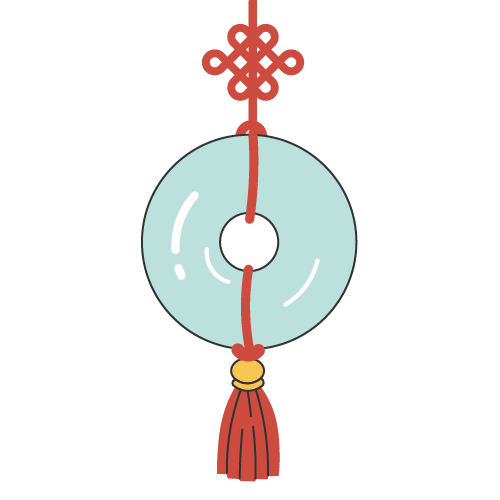
Jade (玉, yù) has held a special place in Chinese culture for thousands of years. It has been used to make jewellery, ceremonial objects, ornaments and works of art, and has often been valued for more than its physical beauty.
In traditional Chinese thought, jade could be associated with qualities such as virtue, purity, wisdom and integrity. Its durability and beauty also helped give it associations with longevity and protection.
Jade as a Protective Object
Jade jewellery has sometimes been worn as a protective object, particularly in the form of pendants and bracelets.
One traditional example is the 玉佩 (yùpèi), a jade pendant that could be worn as an ornament. Jade objects could also be given as meaningful gifts, with the intention of expressing good wishes for the person receiving them.
However, it is important not to think of every piece of jade as a “lucky charm.” A jade bracelet bought as jewellery today may simply be valued for its appearance, craftsmanship or cultural significance.
Jade in Chinese Culture Today
You can still find jade in many forms today, including:
- Bracelets
- Pendants
- Rings
- Carved ornaments
- Decorative objects
- Traditional-style gifts
The colour and type of jade can also influence its appearance and cultural associations, but the most important point is that jade’s significance comes from a long history of cultural, artistic and symbolic use.
For many people, wearing or giving jade is less about expecting a particular event to happen and more about expressing wishes for health, protection, prosperity or a long life.
中国结
Zhōngguó jié
Chinese knot
Chinese Knots: Luck, Unity & Continuity
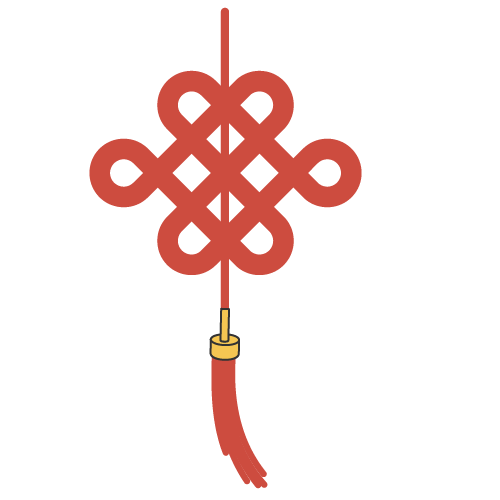
Chinese knots (中国结, Zhōngguó jié) are decorative knots made from cord and are one of the most recognisable traditional Chinese decorations. They come in many shapes and patterns and can be found in homes, shops, gifts and festive decorations.
The knot itself can carry symbolic meaning. Because the cord is woven into a continuous design, Chinese knots are often associated with connection, unity, continuity and good fortune.
Chinese Knots During Festivals
You may see Chinese knots particularly often around Lunar New Year, when homes and businesses are decorated with objects and symbols associated with good fortune.
They can also appear at:
- Weddings
- Housewarming celebrations
- Festivals
- Family gatherings
- Traditional craft exhibitions
Different knot designs can have different associations, but the overall idea of a continuous knot makes them a natural symbol for lasting relationships and enduring good fortune.
Chinese Knots as Gifts
Chinese knots are also commonly given as decorative gifts. Because they are associated with positive wishes, they can be appropriate for occasions such as weddings, new homes or other celebrations.
Today, Chinese knots can be both traditional symbols and decorative crafts. Someone might display one because they value its cultural meaning, while another person may simply appreciate the intricate design.
If you see a red Chinese knot hanging near a doorway or displayed in a shop, it is often there as an auspicious decoration and a wish for good fortune.
红包
hóngbāo
red envelope
Red Envelopes: A Gift of Good Fortune
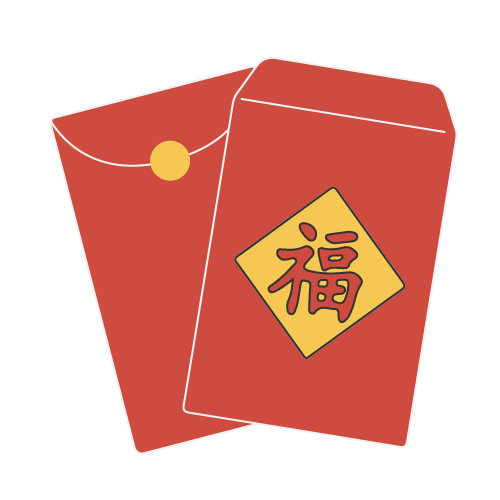
Red envelopes (红包, hóngbāo) are one of the most familiar symbols of good fortune in Chinese culture. Traditionally, they contain money and are given during important celebrations, particularly Lunar New Year.
The red colour is significant because it is associated with happiness, celebration, good fortune and positive energy. The money inside the envelope is therefore not simply a financial gift — it can also represent a wish for prosperity and a good year ahead.
When Are Red Envelopes Given?
Red envelopes can be given on a range of occasions, including:
-
Lunar New Year
-
Weddings (Check out our guide on Chinese Wedding Traditions)
-
Birthdays
-
Birth celebrations
-
Other important family occasions
The exact customs vary depending on the occasion and family.
During Lunar New Year, for example, adults may give red envelopes to children and younger family members as a way of wishing them good luck and prosperity for the year ahead.
At weddings, red envelopes can be used as gifts for the newly married couple.
What Makes the Envelope Important?
The symbolism comes from the combination of the red envelope, the money and the occasion.
A red envelope is therefore better understood as a gift carrying good wishes rather than a charm in the same sense as a jade pendant or Pixiu figure.
The tradition has also adapted to modern life. 微信红包 (Wēixìn hóngbāo), or digital red envelopes sent through WeChat, have become a popular way of sending lucky money electronically.
So while the traditional red paper envelope remains an important cultural symbol, the idea behind it has easily moved into the digital world: sharing good fortune with the people around you.
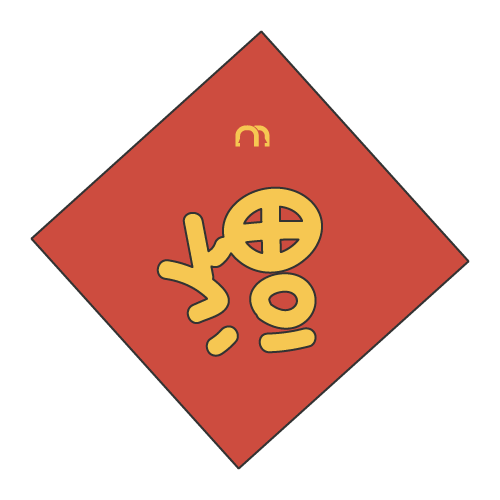
福
fú
good fortune
福 (Fú): The Chinese Symbol for Good Fortune
One of the most recognisable Chinese symbols associated with good luck is 福 (fú). The character is commonly translated as “good fortune,” “blessing” or “happiness“, and it is especially visible during the Lunar New Year.
You may see 福 printed on red paper, hung on doors, displayed in homes or incorporated into New Year decorations.
What Does 福 Mean?
The idea behind 福 is broader than simply “luck.” It represents a wish for good fortune and a happy, prosperous life.
For this reason, 福 can appear in many different contexts. A family might display the character at home during the New Year, while a business might use it as part of its festive decorations.
The character has become so closely associated with positive wishes that simply seeing 福 can immediately evoke the atmosphere of a traditional Chinese celebration.
Why Is 福 Sometimes Hung Upside Down?
One of the most interesting traditions surrounding 福 is that you may sometimes see it displayed upside down.
At first, this can look like a mistake. It is actually a Chinese wordplay tradition.
The Chinese phrase 福到了 (fú dào le) means roughly “good fortune has arrived.”
The word 到 (dào) means “to arrive.” Meanwhile, 倒 (dǎo) means “upside down” or “to turn upside down.” Because the two words have similar pronunciation, displaying 福 upside down creates a playful association with the idea that 福 has “arrived.”
This is particularly common in Lunar New Year decorations.
福 in Modern Chinese Culture
Today, 福 can be found on everything from traditional red paper decorations to modern products, clothing and digital greetings.
Some people display it because they actively value its auspicious meaning, while others see it as a familiar part of Chinese New Year culture.
Either way, 福 is one of the clearest examples of how language, symbolism and tradition come together in Chinese culture.
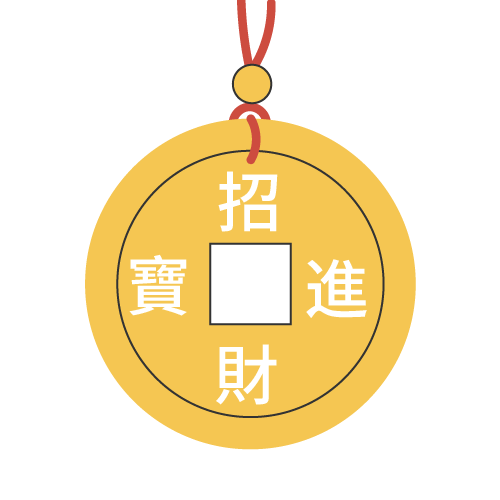
铜钱
tóngqián
copper coin
(traditional Chinese coin)
Lucky Coins & Chinese Coins
Coins have long been associated with wealth and prosperity, which is why they can also appear as symbolic lucky objects in Chinese culture.
Traditional Chinese cash coins were usually round with a square hole in the centre. Known as 铜钱 (tóngqián), these coins were used as currency for centuries.
Today, you may see coins used symbolically rather than as actual money. They can appear as decorations, jewellery, keychains or objects associated with feng shui.
What Do Chinese Coins Symbolise?
Because coins represent wealth, they can be used to express wishes for:
- Prosperity
- Financial success
- Abundance
- Good fortune
The traditional round shape can also carry symbolic associations with completeness and harmony, while the square centre is part of the distinctive design of historical Chinese currency.
Coins in Feng Shui
You may also encounter Chinese coins in feng shui arrangements. In traditional feng shui practices, groups of coins can be used as symbols associated with wealth and prosperity.
However, it is useful to distinguish between cultural symbolism and proven effects. A coin used in a feng shui display is traditionally understood as an auspicious object; that doesn’t mean there is scientific evidence that placing one somewhere will directly create wealth.
Today, these coins can therefore be appreciated in several ways, as historical objects, decorative pieces, cultural symbols or traditional gifts. You can learn more about Feng Shui in our dedicated guide.
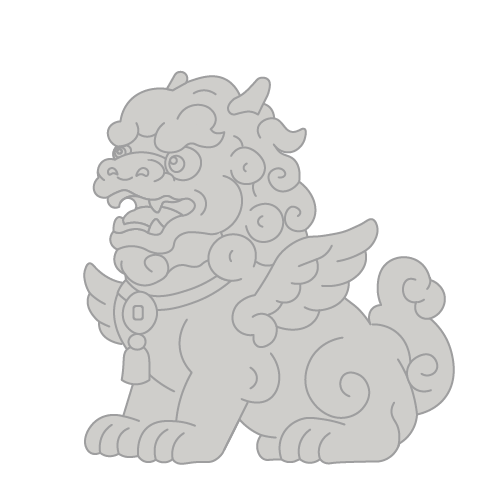
貔貅
píxiū
pixiu
(mythical animal that brings luck and wards off evil, having head of a dragon and lion’s body, often with hoofs, wings and tail)
Pixiu (貔貅): The Wealth-Attracting Creature
貔貅 (píxiū) is a mythical creature from Chinese folklore that is particularly associated with wealth, prosperity and protection. It is often depicted as a dragon-like creature and can be found in jewellery, statues and decorative objects.
Pixiu is especially popular in contexts connected with feng shui, where it is traditionally believed to have the ability to attract and safeguard wealth.
What Does Pixiu Represent?
In traditional beliefs, Pixiu is associated with the idea of bringing wealth in and protecting it. This is one reason you may see Pixiu figures displayed in homes, businesses or offices.
Pixiu can also be worn as jewellery, including:
- Bracelets
- Pendants
- Necklaces
- Charms
The object may be chosen as a symbolic wish for financial success, prosperity or protection.
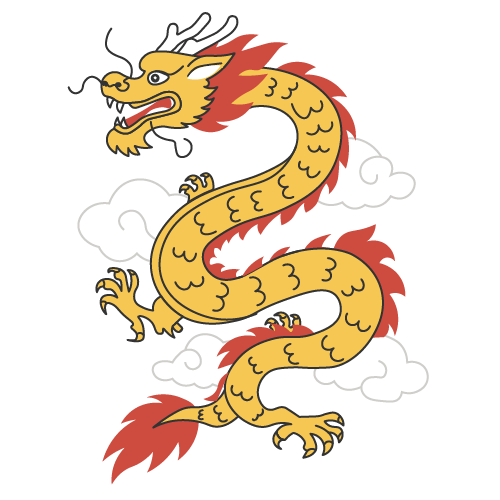
龙
lóng
dragon
Dragons: Power, Protection & Auspiciousness
The Chinese dragon (龙, lóng) is one of the most recognisable symbols in Chinese culture. Although it is sometimes described as a “lucky symbol,” its meaning is much broader. The dragon has traditionally been associated with power, authority, prosperity and auspiciousness.
This is quite different from many Western stories, where dragons are often portrayed as dangerous creatures that need to be defeated.
The Dragon in Chinese Culture
Chinese dragons are traditionally connected with water, rain and the natural world. In historical Chinese culture, rain was essential for agriculture, so the dragon could be associated with forces that supported life and prosperity.
The dragon also became strongly connected with imperial authority. During China’s imperial periods, the dragon was used in royal imagery and became particularly associated with the emperor.
The five-clawed dragon, for example, was closely connected with imperial symbolism during certain periods.
Dragons and Good Fortune
Because of these associations with power, prosperity and favourable forces, dragons can also have an auspicious meaning.
You may encounter dragon imagery on:
- Traditional clothing
- Buildings and architecture
- Paintings and artwork
- Festival decorations
- Jewellery
- Ceremonial objects
Dragon imagery is also particularly prominent in dragon dances, which are commonly performed during festivals and celebrations.
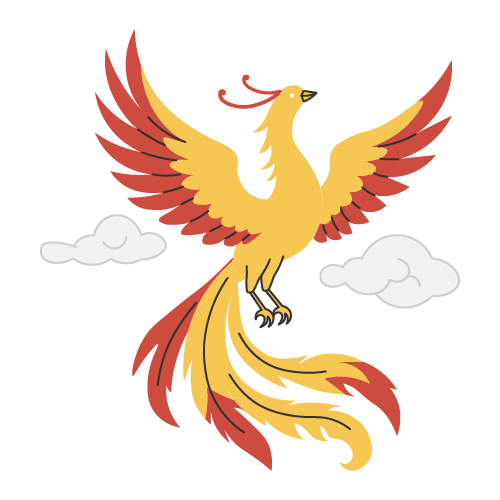
The Dragon and Phoenix
Another important pairing is the dragon and phoenix (龙凤, lóng fèng).
The dragon has traditionally been associated with masculine and imperial symbolism, while the phoenix (凤凰, fènghuáng) can represent feminine virtues, harmony and auspiciousness. Together, the two can symbolise harmony and balance, which is why dragon-and-phoenix imagery is particularly common in weddings and other celebrations.
So while the Chinese dragon can certainly represent good fortune, it is better understood as a much broader cultural symbol of power, prosperity, auspiciousness and harmony.
You can learn more about Dragons in our dedicated guide to Chinese mythical creatures.
Lucky Plants in Chinese Culture
Plants and flowers can also carry symbolic meanings in Chinese culture. Some are associated with prosperity, longevity, resilience or good fortune, making them popular choices for homes, businesses and festive decorations.
The meaning of a plant can come from its appearance, the way it grows, its historical associations or even the sound of its Chinese name.
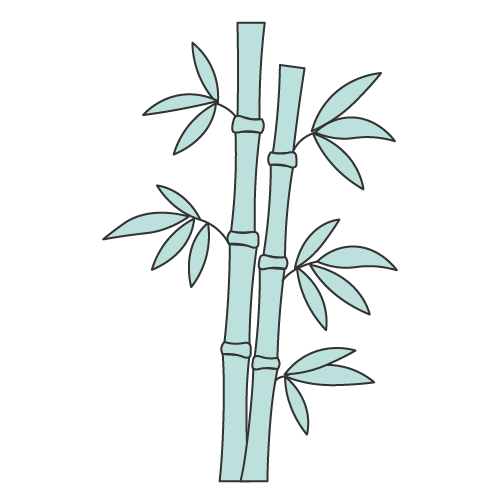
Bamboo
竹 (zhú) is often associated with strength, resilience and flexibility.
Bamboo grows quickly and can bend without easily breaking, making it a traditional symbol of perseverance and an ability to withstand difficulties.
Bamboo is also an important part of traditional Chinese art, appearing frequently in paintings alongside plants such as the plum blossom and orchid.
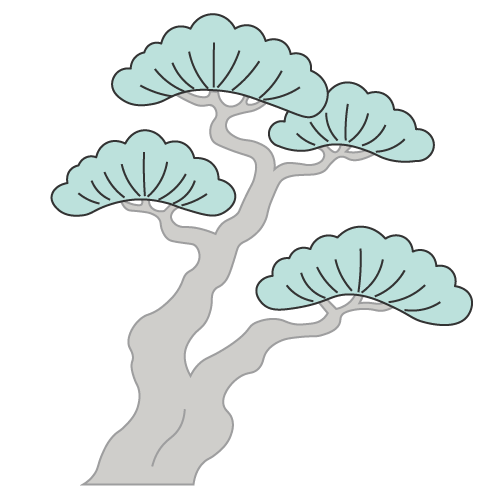
Pine
松 (sōng) is associated with longevity and endurance.
Because pine trees remain green throughout the year and can survive in difficult conditions, they have traditionally been admired as symbols of resilience and long life.
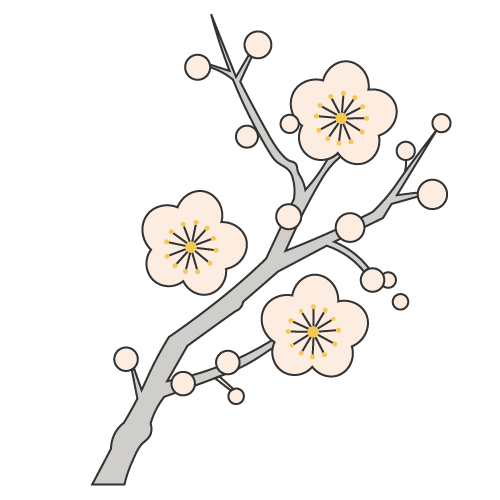
Plum Blossom
The plum blossom (梅, méi) is particularly associated with resilience and renewal.
It blooms during the cold winter months, often before many other plants begin to flower. This has made it a traditional symbol of perseverance and the ability to flourish despite difficult conditions.
The plum blossom is also one of the Four Gentlemen (四君子, sì jūnzǐ) in traditional Chinese painting, alongside the orchid, bamboo and chrysanthemum.
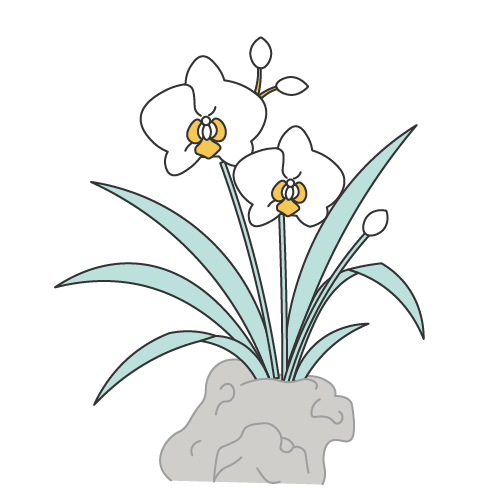
Orchid
The orchid (兰, lán) has traditionally been associated with elegance, refinement and virtue.
Orchids have a particularly important place in Chinese literature and art, where they have often been used to represent qualities of a cultivated and principled person.
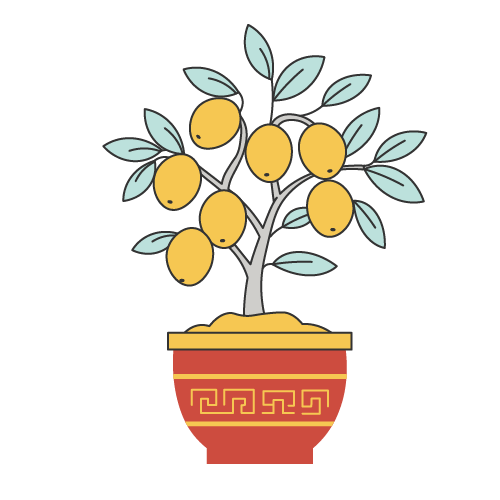
Kumquat
金桔 (jīnjú) is especially popular around Lunar New Year.
The golden-orange colour of the fruit can suggest wealth and prosperity, while its name also contributes to its auspicious associations. Kumquat plants are commonly displayed in homes and businesses during the festive period.
These examples show that Chinese lucky symbolism isn’t limited to objects specifically designed as “charms.” Plants, flowers and natural objects can also carry wishes for a prosperous, healthy and harmonious life.
Other Chinese Symbols Associated With Good Luck
The symbols we’ve looked at so far are some of the most recognisable, but Chinese culture has many other objects, animals and characters with auspicious meanings. In some cases, these associations come from language and wordplay as much as from the object itself.
Fish: Abundance
鱼 (yú), meaning “fish,” is associated with abundance and surplus.
This comes partly from the similarity in pronunciation between 鱼 (yú) and 余 (yú), which can refer to having something left over or in surplus.
You may see fish imagery during Lunar New Year, in artwork and on decorative objects, particularly when people want to express wishes for prosperity.
Peach: Longevity
桃 (táo), meaning “peach,” has long been associated with longevity in Chinese mythology and traditional culture.
The Peaches of Immortality are particularly famous in Chinese mythology. According to the stories, these magical peaches could grant immortality or exceptionally long life.
Because of this association, peaches and peach imagery can be used to express wishes for long life and good health.
Pomegranate: Fertility and Abundance
The pomegranate (石榴, shíliu) is traditionally associated with fertility, abundance and having many descendants.
Its many seeds make it a natural symbol of abundance, and pomegranate imagery can appear in traditional art and decorative objects.
Bat: Fortune
The Chinese word for bat is 蝠 (fú). Its pronunciation is very similar to 福 (fú), meaning good fortune.
This creates a classic example of Chinese linguistic wordplay: a bat can become an auspicious symbol because its name sounds like the word for fortune.
You may therefore encounter bat imagery in traditional decorative art, where it represents wishes for good fortune rather than anything negative.
Double Happiness: Marital Happiness
囍 (shuāngxǐ), or “Double Happiness,” is particularly associated with marriage and romantic happiness.
As we saw in our guide to Chinese wedding traditions, it combines two 喜 (xǐ) characters, meaning happiness or joy.
It is commonly seen on wedding decorations, invitations and ceremonial objects.
Gold Ingots: Wealth and Prosperity
元宝 (yuánbǎo) refers to the distinctive boat-shaped ingots used historically as currency in China.
Today, the shape is strongly associated with wealth and prosperity, and miniature gold ingots may appear as decorations, jewellery or festive objects.
Why Wordplay Matters
These examples reveal something particularly interesting about Chinese lucky symbols: language itself can create symbolism.
A word can become auspicious because it sounds like another positive word. This is why objects that seem completely ordinary, such as fish, bats or certain fruits, can acquire special meanings in Chinese art and celebrations.
Understanding this makes Chinese symbolism much easier to recognise. When you see an animal, plant or object repeated in traditional decoration, there may be a linguistic or cultural reason behind it.
Chinese Good Luck Vocabulary
If you’re learning Mandarin, these words are useful for understanding the language behind Chinese lucky symbols and traditional beliefs.
| chinese | pinyin | english |
|---|---|---|
| 福 | fú | good fortune / blessing |
| 吉祥 | jíxiáng | auspicious / lucky |
| 运气 | yùnqi | luck / fortune |
| 幸福 | xìngfú | happiness |
| 繁荣 | fánróng | prosperity |
| 财富 | cáifù | wealth |
| 保护 | bǎohù | protection |
| 玉 | yù | jade |
| 护身符 | hùshēnfú | charm / amulet |
| 龙 | lóng | dragon |
| 中国结 | Zhōngguó jié | Chinese knot |
| 红包 | hóngbāo | red envelope |
| 好运 | hǎoyùn | good luck |
| 鱼 | yú | fish |
| 桃 | táo | peach |
福 vs. 运气
Two words that are particularly useful to know are 福 (fú) and 运气 (yùnqi).
运气 (yùnqi) means “luck” or “fortune” in everyday situations. For example:
祝你好运!
Zhù nǐ hǎoyùn!
Good luck!
福 (fú), on the other hand, has a broader cultural meaning connected with blessings, happiness and good fortune. This is why you might see the character displayed on a door during Lunar New Year rather than simply using it as an everyday word for “luck.”
Understanding this difference helps explain why Chinese lucky symbols often represent more than simply good luck, they can express wishes for happiness, prosperity, health, longevity and a harmonious life.