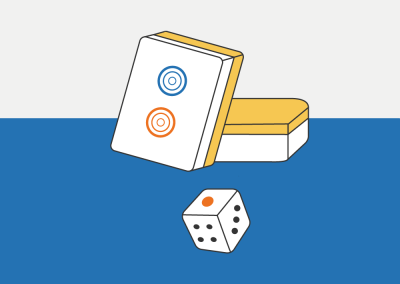

少 (shǎo) • few
Used to talk about the amount.
Like the word “few”, 少 (shǎo) is used to communicate that there is less of something. Typically it indicates a limited quantity or number, highlighting a sense of scarcity.
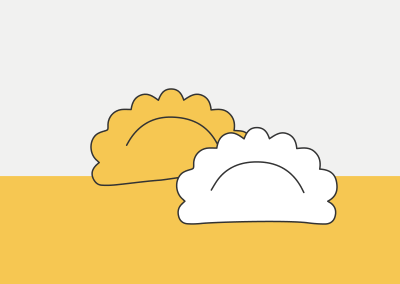
小 (xiǎo) • tiny
Used to talk about the size.
The word 小 (xiǎo) describes physical smallness or a diminutive size. It means very small or in a little size.
When to use 少 (shǎo)?
It is used when talking about resources, money, or time, 少 (shǎo) effectively conveys the notion of insufficiency. You might say 我的钱很少 (Wǒ de qián hěn shǎo), meaning “I have very little money,” or 请少吃点 (Qǐng shǎo chī diǎn), meaning “Please eat less.” It’s also used in expressions like 少见 (shǎojiàn), meaning “rare” or “seldom seen.” Mastering the use of 少 (shǎo) is essential for accurately expressing quantities and frequencies in Chinese.
不少 (bù shǎo) • many
稀少 (xī shǎo) • sparse
最少 (zuì shǎo) • minimum
咖啡太少了。
Kāifēi tài shǎo le.
There is too little coffee.
When to use 小 (xiǎo)?
It is often employed to convey physical diminutiveness or to denote youth. For instance, you might say 这个苹果很小 (Zhè gè píngguǒ hěn xiǎo), meaning “This apple is very small,” or 小孩子 (xiǎo háizi), meaning “little child.” Additionally, 小 (xiǎo) can be used in a figurative sense, such as in 小事 (xiǎoshì), meaning “a small matter” or “something trivial.” Understanding and using 小 (xiǎo) correctly is crucial for describing objects, people, and situations accurately in Chinese.
小学 (xiǎo xué) • primary school
小孩 (xiǎo hái) • child
弱小 (ruò xiǎo) • puny
这是一个小问题。
Zhè shì yí gè xiǎo wèntí.
This is a small problem.
Why Is It Important to Tell the Difference Between 少 (shǎo) vs 小 (xiǎo)?
Can you see how understanding and using 小 (xiǎo) and 少 (shǎo) correctly is crucial now?
This proficiency will not only improve your language skills but also help you convey your thoughts more precisely and effectively. Keep practicing!