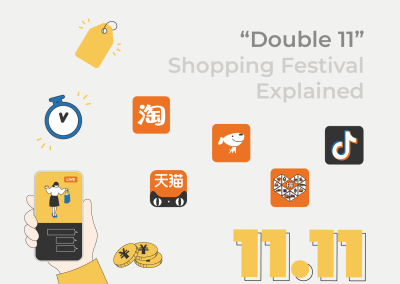
If you visit China in October or November, you may notice shopping promotions appearing everywhere, from online marketplaces to livestreams and brand advertisements. One name you’ll see repeatedly is 11.11, also known as Double 11 or Singles’ Day.
Today, Double 11 is one of China’s biggest annual online shopping events, with retailers offering discounts on everything from skincare and clothing to smartphones and home appliances. But it did not begin as a shopping festival. It started as a celebration associated with being single, before e-commerce companies turned the date into a major commercial event.
So, why is it celebrated on 11 November? How does the shopping festival work, and is everything really cheaper? Here’s what to know about this fascinating part of modern Chinese consumer culture.
Key Takeaways
- Double Eleven takes place on 11 November: The date, written as 11.11, represents four individual ones and became associated with being single.
- It began as a social occasion: The tradition emerged among university students in China in the 1990s before Alibaba popularised the shopping event in 2009.
- The sales often last for weeks: Platforms such as Taobao, Tmall and JD.com run promotions before and after 11 November itself.
- Not every discount is a bargain: Coupons, presale deposits and minimum-spend requirements mean shoppers should compare final prices before buying.
What Is Double 11 Festival in China?
Double 11 online shopping festival is celebrated on 11 November. In Chinese, it is commonly known as 双十一 (Shuāng Shíyī), meaning Double 11.
The date is easy to remember: 11 November is written as 11/11, with four number ones representing individual people.
Originally, the name 光棍节 (Guānggùn Jié), “Singles’ Day” was more popular, and the occasion was associated with social gatherings and celebrating single life. Over time, it became closely linked to shopping as Chinese e-commerce companies began offering special promotions on the date.
Today, Singles’ Day is best known internationally for its huge online shopping campaigns. It is often compared with Black Friday and Cyber Monday, although the Chinese event has developed its own promotional traditions and shopping platforms.
One important distinction is that Singles’ Day is not a traditional Chinese festival like Lunar New Year or the Mid-Autumn Festival. Its origins are relatively recent, making it an interesting example of how modern Chinese culture continues to evolve.

十一
Shuāng Shíyī
Double 11
Why Is 11 November Called Singles’ Day?
The story begins with the date itself.
The meaning behind 11.11
The number one is associated with being alone, and the four ones in 11/11 came to symbolise single people. The date offered a memorable occasion for people without romantic partners to get together and celebrate their independence.
Singles’ Day is commonly traced to university students at Nanjing University in 1993. It was initially known as Bachelor’s Day and was associated particularly with unmarried men, although the idea later spread more widely.
The Chinese term 光棍 (guānggùn) literally refers to a bare stick and is used colloquially to describe an unmarried man. The term 光棍节 became associated with the occasion.
Over time, the celebration evolved beyond its original association with men. Today, Singles’ Day is widely recognised as a shopping event, and many people participate regardless of their relationship status.
Is Singles’ Day a celebration of being single?
Originally, yes. The idea was to give single people an occasion to socialise and enjoy themselves.
Some people still use the date as a light-hearted reason to meet friends, go out or treat themselves. However, the commercial side has become much more prominent, particularly because of the enormous shopping promotions associated with 11.11.
The name remains, but the way people experience the occasion varies.
How Did Double 11 Become China’s Biggest Shopping Festival?
The transformation from a social occasion into a shopping phenomenon began in 2009.
2009: Alibaba introduces the shopping festival
Alibaba, the Chinese technology company behind Taobao and Tmall, recognised the potential of 11 November as a major retail promotion.
In 2009, it organised a Singles’ Day shopping event on Tmall, offering discounts to encourage consumers to shop online. The initial campaign involved a relatively small number of merchants, but it proved successful enough to inspire larger campaigns in subsequent years.
The idea was simple: give shoppers a reason to buy products on a specific date, encourage retailers to offer promotions, and make the event an annual shopping tradition.
The festival grows beyond one platform
As the event gained popularity, other e-commerce companies and retailers introduced their own 11.11 promotions.
Platforms such as JD.com joined the shopping season, while brands began using the event to launch products, offer special deals and attract new customers.
The festival also developed beyond straightforward discounts. Coupons, livestream shopping, presale campaigns and other promotional mechanics became part of the experience.
From one day to several weeks
Singles’ Day is still associated with 11 November, but shoppers no longer need to wait until that date to find deals.
Many platforms now launch promotions in October, with different stages for presales, early discounts and the main shopping period.
For example, Alibaba announced that its 2026 Taobao and Tmall campaign opened for presales on 15 October, with the main sale beginning at 8 p.m. on 20 October, China time.
This means that if you are shopping during the Singles’ Day period, it is worth checking the individual platform’s campaign dates rather than assuming every offer begins on 11 November.
How Does the 11.11 Shopping Festival Work?
If you have only experienced shopping events such as Black Friday, Singles’ Day may look familiar at first. However, Chinese e-commerce platforms use several promotional methods that are useful to understand before making a purchase.
1. Presales and deposits
Some platforms allow shoppers to reserve selected products before the main sale.
In these cases, you may be asked to pay a deposit first and then pay the remaining balance during a specified period. The product may be shipped after the balance is paid.
For example, imagine a skincare set advertised for RMB 300 during the campaign. The seller might allow you to reserve it with a deposit, with the remaining amount due when the main sale begins.
Before paying a deposit, check:
- When the remaining balance must be paid.
- Whether the deposit is refundable.
- Whether the advertised price includes all required payments.
- When the seller expects to ship the product.
Presales are not available for every item, and the rules vary between products and platforms.
2. Coupons and direct discounts
A product’s advertised price is not always the final price you pay.
Some promotions offer a direct price reduction, while others require you to collect a coupon or spend a minimum amount before receiving a discount.
For example, consider two offers:
- Offer A: A product costs RMB 250, with a direct RMB 30 discount. Your price is RMB 220.
- Offer B: A product costs RMB 250, but the coupon requires a minimum spend of RMB 300. You would need to buy additional items to qualify.
Offer A may be the better deal if you only want the one product. Under Offer B, spending more to unlock a discount could leave you paying more overall.
The important lesson is to compare the final checkout price rather than focusing on the headline discount.
3. Livestream shopping
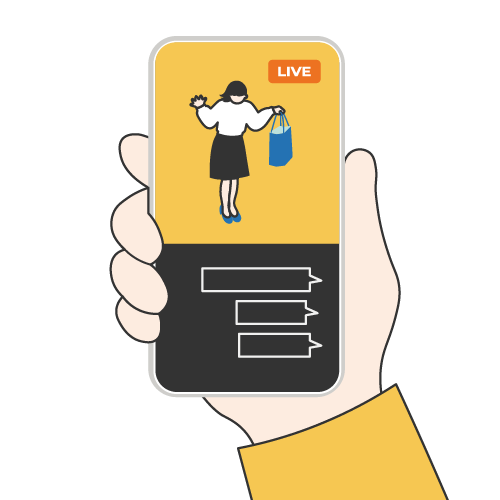
Livestream shopping is another feature of China’s e-commerce landscape.
Sellers, brands and online personalities demonstrate products, answer questions and promote special offers during live video broadcasts. Viewers may be able to purchase products directly through the livestream platform.
During major shopping campaigns, livestreams can feature product demonstrations, limited-time promotions and bundles.
For international readers, it is useful to think of this as a combination of a live product demonstration, an online shop and a promotional event.

4. Limited-time offers and product launches
Some brands use Singles’ Day to introduce new products or promote exclusive bundles. Other offers are available only during a specific promotional window.
This creates a sense of urgency, but it is still worth checking whether the deal represents genuine savings.
If you already planned to buy a particular item, comparing its regular price with the promotional price can help you decide whether to purchase it during the campaign.
Which Apps and Websites Are Popular During Singles’ Day?
Several major Chinese shopping platforms participate in the 11.11 season. Each has a slightly different focus.

Taobao (淘宝, Táobǎo)
Taobao is one of China’s best-known online marketplaces. It offers a broad range of products, from clothing and accessories to household goods, beauty products and everyday essentials.
It is particularly useful to know about if you are researching Chinese online shopping culture or want to understand where many consumers browse for products.
However, the shopping experience may be challenging for first-time international users because much of the interface and product information is in Chinese.
Tmall (天猫, Tiānmāo)
Tmall is part of Alibaba’s e-commerce ecosystem and focuses on brands and retailers selling through its marketplace.
During Singles’ Day, participating brands use Tmall to promote products, offer campaign discounts and launch selected items.
If you are looking for an official brand storefront on a Chinese shopping platform, Tmall is a useful name to recognise.

JD.com (京东, Jīngdōng)
JD.com is another major Chinese e-commerce platform, with a broad product range that includes electronics, household appliances and everyday goods.
It runs its own shopping promotions and participates in the wider Singles’ Day sales period.
Pinduoduo (拼多多, Pīnduōduō)
Pinduoduo is known for its value-focused shopping model and social-commerce features. It is another major name in China’s online retail landscape.
Its shopping experience differs from that of Taobao, Tmall and JD.com, but it helps illustrate how diverse China’s e-commerce market has become.

Douyin (抖音, Dǒuyīn)
Douyin is the Chinese version of TikTok. Alongside short videos and livestreams, it has an integrated shopping ecosystem.
During major promotional periods, brands and sellers can use videos and livestreams to introduce products and encourage purchases.
These platforms are part of the wider Singles’ Day shopping season, but their exact promotional dates, discounts and participation rules vary each year.
What Do People Buy During Singles’ Day?
The range of products available during Singles’ Day is extensive. The event is not limited to gifts for single people or products aimed at young consumers.
Commonly promoted categories include:
- Beauty and skincare: Cosmetics, skincare sets and beauty products.
- Fashion: Clothing, shoes, bags and accessories.
- Electronics: Smartphones, headphones, computers and other devices.
- Home and living: Kitchen equipment, home appliances, bedding and household products.
- Everyday essentials: Products that shoppers may want to purchase in larger quantities or at a reduced price.
The event is also an opportunity for brands to introduce new products, promote bundles and attract customers who might not otherwise shop with them.
However, discounts vary by product and seller. A large advertised discount does not necessarily mean that an item is cheaper than it was before the campaign.
If you are shopping during 11.11, compare prices, check the seller’s reputation and read the product details carefully.
Can Foreigners Shop During Singles’ Day in China?
Yes, international visitors and residents may be able to shop during the event, but access depends on the platform, account requirements, payment method and delivery location.
If you are visiting China and want to explore local online shopping, here are a few things to consider.
Check the language and account requirements
Some platforms have Chinese-language interfaces and may require account verification or a Chinese mobile number for certain functions.
Product listings can also contain important information about sizes, materials, shipping times and return policies, so make sure you understand the details before ordering.
Check where the seller delivers
Not every seller ships internationally. Some products may only be delivered to addresses in mainland China.
If you are staying at a hotel, check whether it can receive parcels and whether the delivery timing works with your travel plans.
Check the payment method
Payment options vary by platform and transaction. Some services may support eligible international payment methods, while others may have additional requirements.
If you are staying in China, our guide to how to use Alipay in China explains how foreign visitors can link eligible international bank cards and understand mobile payment fees. (Note to Nika: please help to link to this blog once live, thanks!)
Read the return policy
A discounted price is less useful if the item is unsuitable and returning it is difficult.
Check whether returns are permitted, who pays return shipping and whether the product is eligible for the promotion’s stated terms.
For most visitors, the best approach is to research the platform and seller before purchasing rather than assuming every offer will be accessible from overseas.
Is Singles’ Day Still About Being Single?
Although Singles’ Day began as a celebration of single life, its modern meaning is much broader.
For many consumers, the event is primarily an opportunity to shop for products they need, compare prices or take advantage of promotions. Others may not participate at all.
The original symbolism of 11.11 remains part of the story, but it would be misleading to suggest that everyone celebrates the date in the same way.
This is what makes Singles’ Day an interesting example of contemporary Chinese culture. A relatively recent student tradition became a major commercial event through the growth of online shopping, digital payments and competition between retail platforms.