For example:
一个人
yí ge rén
one person
And:
三本书
sān běn shū
three books
Here, 个 (gè) and 本 (běn) are measure words.
Measure words are an essential part of beginner Chinese grammar. The good news is that you don’t need to learn all of them at once. Start with the most common classifiers, learn which nouns they are used with, and practise them in complete phrases.
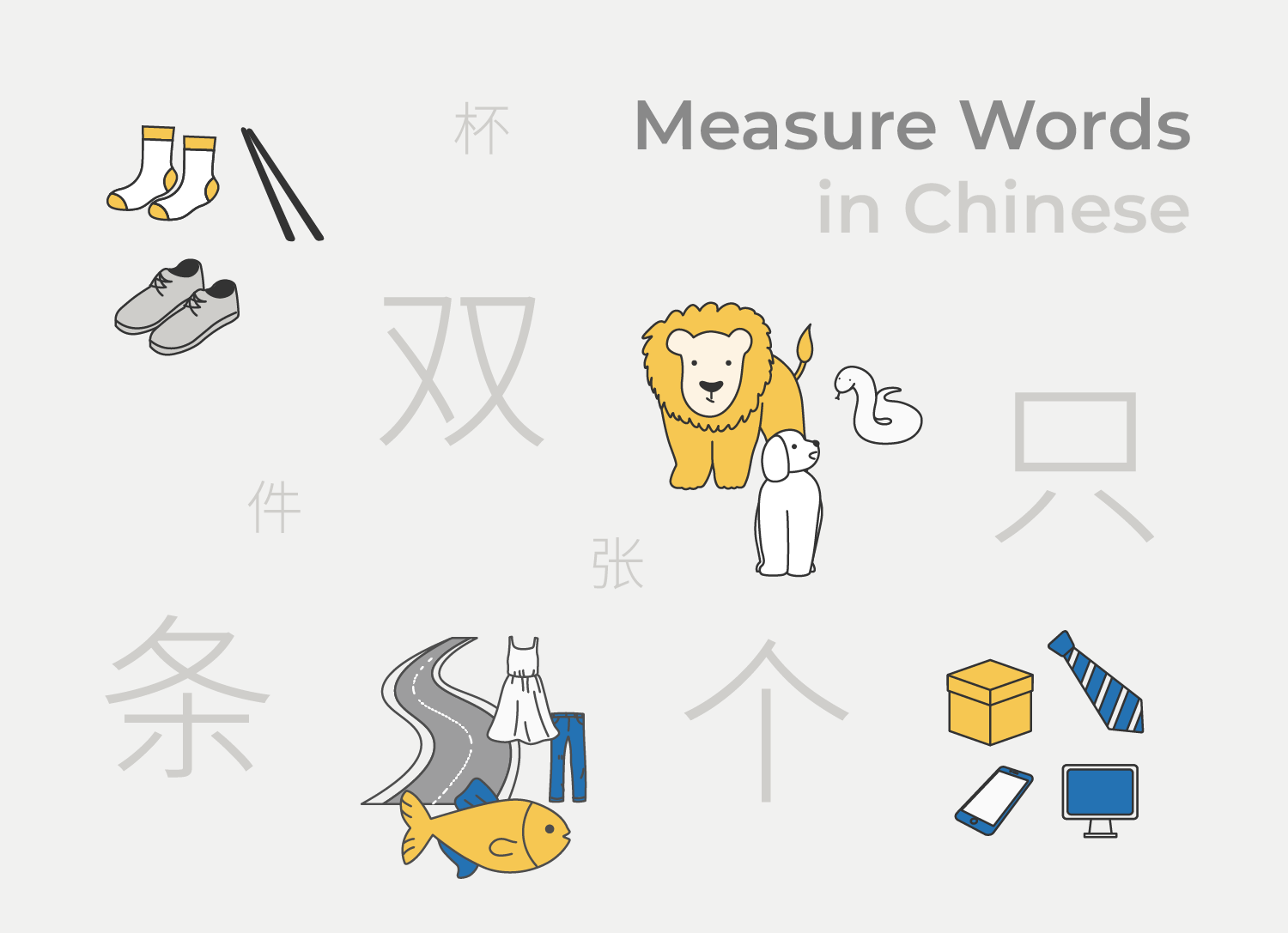
In this guide, we’ll look at the most useful Chinese measure words, including 个 (gè), 本 (běn), 张 (zhāng), 杯 (bēi), 件 (jiàn), 条 (tiáo) and 只 (zhī), with examples showing how to use them naturally.
Key Takeaways
-
Chinese measure words are commonly used between numbers or demonstratives and nouns.
-
个 (gè) is the most common general measure word.
-
Different nouns usually pair with different measure words.
-
The basic pattern is number + measure word + noun.
-
两 (liǎng) is commonly used for “two” before a measure word.
What Are Chinese Measure Words?
A Chinese measure word, or 量词 (liàngcí), is a word used to count or identify a noun. In English, we sometimes use similar words, such as “a cup of coffee,” “a piece of paper,” or “a pair of shoes.”
In Mandarin, measure words are used much more systematically.
The most common structure is:
Number + Measure Word + Noun
For example:
一个人
yí ge rén
one person
三本书
sān běn shū
three books
两杯咖啡
liǎng bēi kāfēi
two cups of coffee
In these examples:
- 个 is the measure word for 人 (person)
- 本 is the measure word for 书 (book)
- 杯 is the measure word for 咖啡 (coffee)
Measure Words With “This” and “That”
Measure words aren’t only used after numbers. They are also commonly used with words such as 这 (zhè), “this,” and 那 (nà), “that.”
For example:
这本书
zhè běn shū
this book
那杯咖啡
nà bēi kāfēi
that cup of coffee
So you can think of the basic pattern as:
Number / Demonstrative + Measure Word + Noun
Once you start recognising this pattern, you’ll see Chinese measure words everywhere in everyday Mandarin.
Why Does Chinese Use Measure Words?
Measure words help specify what kind of thing is being counted or referred to. Each measure word is generally associated with particular types of nouns.
For example:
一本书
yì běn shū
one book
The measure word 本 (běn) is associated with books and other bound volumes.
Compare this with:
一张纸
yì zhāng zhǐ
one sheet of paper
Here, 张 (zhāng) is used because paper is a flat object.
English also uses words such as “sheet,” “cup” and “pair,” but Chinese uses this kind of classification much more consistently.
Why Can’t You Just Use 个?
You might notice that 个 (gè) appears very frequently in beginner Chinese. It is a general measure word and works with many nouns.
However, it isn’t correct for every noun.
For example:
一个人 ✅
yí ge rén
one person
But:
一个书 ❌
For “one book,” you normally say:
一本书 ✅
yì běn shū
one book
The best way to approach Chinese classifiers isn’t to look for one universal rule. Instead, learn common noun + measure word combinations together.
For example:
- 一个人 — one person
- 一本书 — one book
- 一张纸 — one sheet of paper
- 一杯咖啡 — one cup of coffee
- 一只猫 — one cat
Once these combinations become familiar, choosing the correct measure word becomes much more natural.
The Most Common Chinese Measure Words
You don’t need to learn every Chinese measure word at once. The following seven are a useful starting point because they appear frequently in everyday Mandarin.
| measure word | pinyin | commonly used for | example |
|---|---|---|---|
| 个 | gè | people and many general nouns | 一个人 · one person |
| 本 | běn | books and bound volumes | 一本书 · one book |
| 张 | zhāng | flat objects | 一张纸 · one sheet of paper |
| 杯 | bēi | cups or glasses of drinks | 一杯咖啡 · one cup of coffee |
| 件 | jiàn | clothing and some other items | 一件衣服 · one item of clothing |
| 条 | tiáo | long, narrow or flexible things | 一条鱼 · one fish |
| 只 | zhī | many animals | 一只猫 · one cat |

个 (gè): The Most Common Measure Word
个 (gè) is the most common general measure word in Mandarin. It can be used with many everyday nouns, particularly people and objects that don’t require a more specific classifier.
For example:
一个人
yí ge rén
one person
两个学生
liǎng ge xuéshēng
two students
三个苹果
sān ge píngguǒ
three apples
Because 个 is so common, it’s often one of the first Chinese measure words beginners learn.
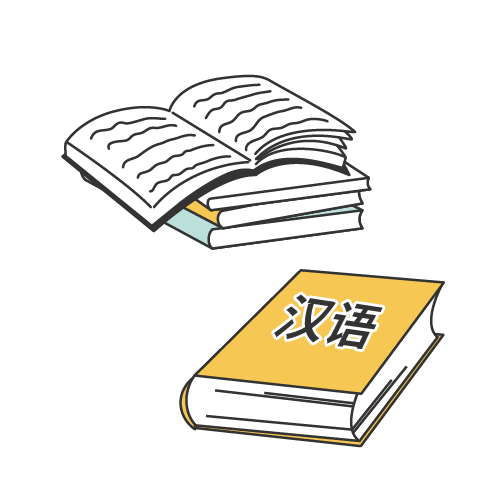
本 (běn): Books and Bound Volumes
本 (běn) is used for books and other bound volumes, making it one of the most useful measure words for students.
For example:
一本书
yì běn shū
one book
两本书
liǎng běn shū
two books
You can also use 本 with other bound publications:
一本杂志
yì běn zázhì
one magazine
三本中文书
sān běn Zhōngwén shū
three Chinese books
In a complete sentence:
我有两本中文书。
Wǒ yǒu liǎng běn Zhōngwén shū.
I have two Chinese books.
A useful way to remember 本 is to associate it directly with books and bound publications, rather than trying to translate the measure word into English each time.
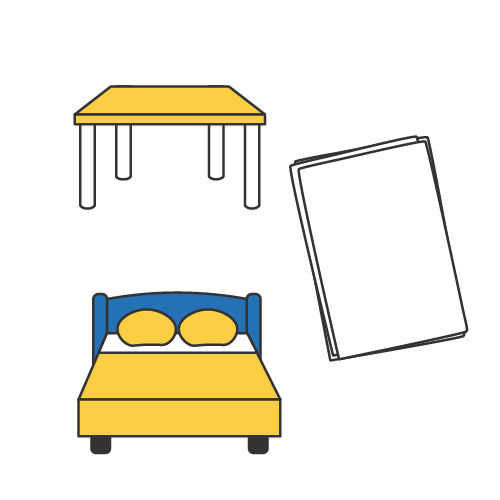
张 (zhāng): Flat Objects
张 (zhāng) is commonly used for flat, relatively thin objects. Some common examples include paper, tickets, photographs and tables.
For example:
一张纸
yì zhāng zhǐ
one sheet of paper
一张票
yì zhāng piào
one ticket
三张照片
sān zhāng zhàopiàn
three photographs
It can also be used with objects such as tables:
一张桌子
yì zhāng zhuōzi
one table
A useful way to remember 张 is to associate it with objects that have a flat surface or shape.
For example:
我买了两张票。
Wǒ mǎi le liǎng zhāng piào.
I bought two tickets.
杯 (bēi): Cups and Glasses of Drinks
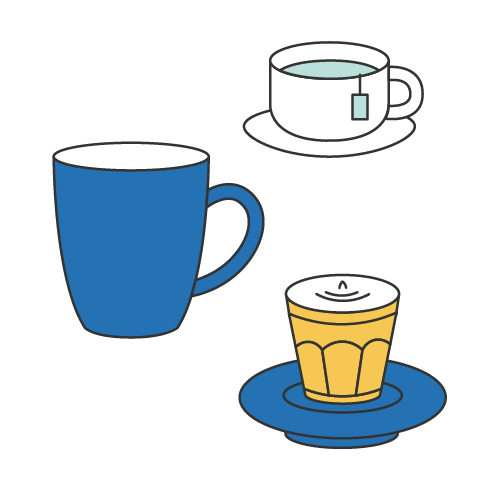
杯 (bēi) is used for drinks served in a cup or glass. It’s a particularly useful measure word to know if you’re ordering coffee, tea, water or other beverages in Chinese.
For example:
一杯咖啡
yì bēi kāfēi
one cup of coffee
两杯水
liǎng bēi shuǐ
two cups of water
三杯茶
sān bēi chá
three cups of tea
You can also use 杯 in questions:
你要几杯咖啡?
Nǐ yào jǐ bēi kāfēi?
How many cups of coffee do you want?
And in a complete sentence:
我要一杯茶。
Wǒ yào yì bēi chá.
I’d like a cup of tea.
A useful way to remember 杯 is to associate it with the container rather than the drink itself. The same measure word can therefore be used with different drinks, as long as they are being counted by the cup or glass.
件 (jiàn): Clothing and Other Items
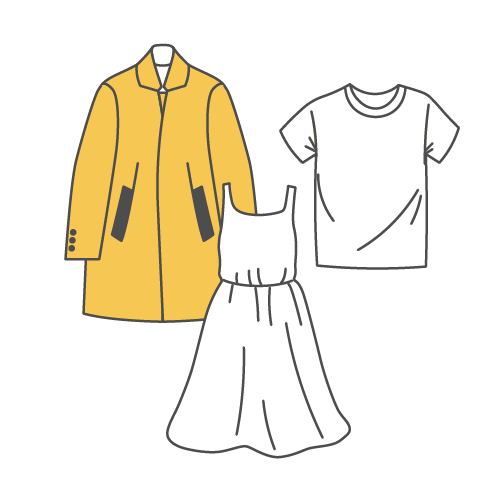
件 (jiàn) is commonly used as a measure word for clothing, particularly individual garments such as shirts, jackets and coats.
For example:
一件衣服
yí jiàn yīfu
one item of clothing
两件衬衫
liǎng jiàn chènshān
two shirts
一件外套
yí jiàn wàitào
one jacket
You can also use 件 with certain other nouns, including some matters or events, so its meaning isn’t limited exclusively to clothing.
For beginners, it’s easiest to start by remembering common combinations such as:
一件衣服
一件外套
一件衬衫
For example:
我买了一件外套。
Wǒ mǎi le yí jiàn wàitào.
I bought a jacket.
条 (tiáo): Long, Narrow or Flexible Things
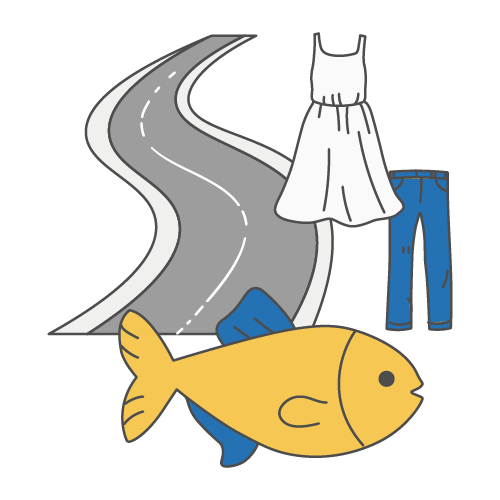
条 (tiáo) is used with a range of things that are long, narrow or flexible. Some common examples include fish, rivers and trousers.
For example:
一条鱼
yì tiáo yú
one fish
一条河
yì tiáo hé
one river
一条裤子
yì tiáo kùzi
one pair of trousers
You can also use it in a complete sentence:
我看到一条鱼。
Wǒ kàndào yì tiáo yú.
I saw a fish.
The different uses of 条 may not always have an obvious equivalent in English. Rather than trying to translate the classifier itself, it’s more useful to learn common combinations such as 一条鱼 and 一条河 as complete phrases.
只 (zhī): Animals and Certain Objects
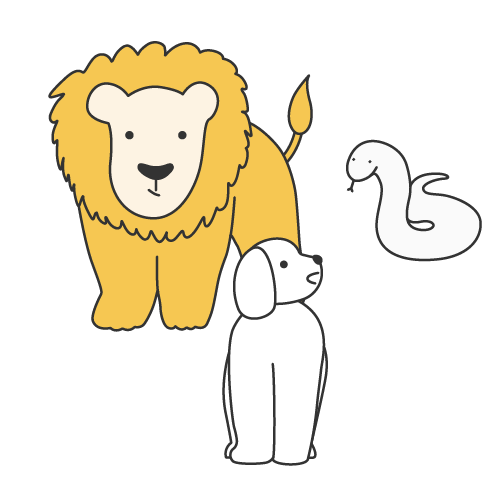
只 (zhī) is commonly used as a measure word for many animals.
For example:
一只猫
yì zhī māo
one cat
两只狗
liǎng zhī gǒu
two dogs
一只鸟
yì zhī niǎo
one bird
You can also use it in a sentence:
我有一只猫。
Wǒ yǒu yì zhī māo.
I have a cat.
Like many Chinese measure words, 只 has additional uses beyond this basic category. For beginners, however, starting with common animal combinations such as 一只猫, 一只狗 and 一只鸟 is the easiest way to remember it.
Chinese Measure Words With Numbers
One of the most common places you’ll encounter measure words is when counting objects.
The basic structure is:
Number + Measure Word + Noun
For example:
一个学生
yí ge xuéshēng
one student
三本书
sān běn shū
three books
两杯咖啡
liǎng bēi kāfēi
two cups of coffee
Using 两 (liǎng) for “Two”
When saying “two” before a measure word, Mandarin commonly uses 两 (liǎng) rather than 二 (èr).
For example:
两个人
liǎng ge rén
two people
两本书
liǎng běn shū
two books
两只猫
liǎng zhī māo
two cats
For beginners, a simple rule is:
二 (èr) is commonly used when counting or saying numbers themselves, while 两 (liǎng) is commonly used before measure words.
So you would say:
二十个人
èrshí ge rén
twenty people
but:
两个人
liǎng ge rén
two people
This distinction is worth learning early because you’ll encounter it constantly when counting in Mandarin.Chinese Measure Words With Numbers
One of the most common places you’ll encounter measure words is when counting objects.
The basic structure is:
Number + Measure Word + Noun
For example:
一个学生
yí ge xuéshēng
one student
三本书
sān běn shū
three books
两杯咖啡
liǎng bēi kāfēi
two cups of coffee
Measure Words With 这, 那 and 哪
Chinese measure words aren’t only used with numbers. They also commonly appear after 这 (zhè), “this,” 那 (nà), “that,” and 哪 (nǎ), “which.”
The basic structure is:
这 / 那 / 哪 + Measure Word + Noun
这 (zhè) — This
这本书
zhè běn shū
this book
这杯咖啡
zhè bēi kāfēi
this cup of coffee
那 (nà) — That
那只猫
nà zhī māo
that cat
那件衣服
nà jiàn yīfu
that item of clothing
哪 (nǎ) — Which
You can also use a measure word when asking which item someone means:
哪本书?
nǎ běn shū?
Which book?
哪杯咖啡?
nǎ bēi kāfēi?
Which cup of coffee?
This is an important pattern to learn because you’ll encounter measure words not only when counting, but also when identifying and choosing specific things.