Chinese festivals are among the oldest continuously celebrated traditions in the world. For thousands of years, these celebrations have brought families and communities together to honour ancestors, mark the changing seasons, and celebrate important moments in the traditional Chinese calendar.
Today, many of these festivals remain an important part of life across China and in Chinese communities around the world. While customs may differ from region to region, the core values of family, gratitude, respect, and togetherness continue to unite these celebrations.
Unlike many Western holidays, most traditional Chinese festivals follow the Chinese lunisolar calendar. This means their dates change each year on the Gregorian calendar. For example, Chinese New Year usually falls between late January and mid-February, while the Mid-Autumn Festival takes place during the eighth lunar month when the moon is at its fullest.
In this guide, we’ll explore the most important Chinese festivals, learn why they are celebrated, discover the traditions behind each one, and explain how these celebrations continue to be observed in China and around the world today.
Key Takeaways
-
Traditional Chinese festivals have been celebrated for thousands of years and remain an important part of Chinese culture.
-
Most Chinese festivals follow the Chinese lunisolar calendar, so their dates change each year.
-
Family reunions, traditional foods, and cultural customs are central to many celebrations.
-
Chinese New Year is the largest and most widely celebrated festival in China.
-
Popular festivals such as the Dragon Boat Festival, Mid-Autumn Festival, and Qingming Festival each have their own unique history and traditions.
What Are Chinese Festivals?
Chinese festivals are traditional celebrations that commemorate important events, seasonal changes, historical figures, and cultural beliefs. Many have been observed for centuries, with customs passed down from one generation to the next.
Unlike modern public holidays, traditional Chinese festivals are deeply connected to family life, cultural identity, and community. They are occasions for people to return home, spend time with loved ones, prepare festive meals, and take part in long-standing customs.
Many festivals also carry symbolic meaning. Some celebrate new beginnings and good fortune, while others honour ancestors, give thanks for successful harvests, or remember historical events. Each celebration reflects values that have been central to Chinese culture for thousands of years.
Although traditions vary across different regions of China, many festivals include familiar customs such as decorating homes, sharing special foods, exchanging gifts, watching traditional performances, and making wishes for health, happiness, and prosperity.
Most traditional Chinese festivals are based on the Chinese lunisolar calendar, which combines both lunar and solar cycles. As a result, festival dates usually change each year on the Gregorian calendar, although they are celebrated on the same day of the traditional Chinese calendar.
中国传统节日
Zhōngguó chuántǒng jiérì
traditional Chinese festivals
Chinese Festival Calendar
Although China celebrates many festivals throughout the year, several traditional celebrations are recognised nationwide and have been observed for centuries. Most of these festivals follow the Chinese lunisolar calendar, meaning their dates change each year on the Gregorian calendar.
The table below highlights some of the most important traditional Chinese festivals, when they are usually celebrated, and the customs they are best known for.
| festival | chinese | usually falls in | main tradition |
|---|---|---|---|
| Chinese New Year | 春节 | January / February | Family reunion dinners, red envelopes, fireworks |
| Lantern Festival | 元宵节 | February / March | Lantern displays, solving lantern riddles, eating tangyuan |
| Qingming Festival | 清明节 | Early April | Honouring ancestors and visiting family graves |
| Dragon Boat Festival | 端午节 | May / June | Dragon boat races and eating zongzi |
| Qixi Festival | 七夕节 | August | Celebrating love and the legend of the Cowherd and Weaver Girl |
| Mid-Autumn Festival | 中秋节 | September / October | Mooncakes, admiring the full moon, family reunions |
| Double Ninth Festival | 重阳节 | October | Climbing mountains and showing respect to older generations |
| Winter Solstice Festival | 冬至 | December | Family meals, dumplings and tangyuan |
The Most Important Traditional Chinese Festivals
China celebrates dozens of traditional festivals throughout the year, but a handful are particularly significant because of their history, cultural importance, and nationwide celebrations.
Below are some of the best-known Chinese festivals, along with the traditions and stories that make each one unique.
Chinese New Year (春节)
Chinese New Year, also known as the Spring Festival, is the most important and widely celebrated festival in China. It marks the beginning of a new year on the Chinese lunisolar calendar and is a time for families to reunite, reflect on the past year, and welcome good fortune for the year ahead.
春节
Chūnjié
Spring Festival / Lunar New Year
In the weeks leading up to the festival, families thoroughly clean their homes to symbolise sweeping away bad luck. Houses are decorated with red lanterns, Spring Festival couplets, and paper cuttings, as the colour red is traditionally associated with happiness, prosperity, and protection.
On New Year’s Eve, families gather for a reunion dinner, often considered the most important meal of the year. Traditional foods vary across China but commonly include dumplings, fish, rice cakes, and longevity noodles, each representing wishes for prosperity, abundance, and long life.
The celebrations continue for around 15 days, ending with the Lantern Festival. During this period, many people exchange red envelopes (红包, hóngbāo) containing money, watch lion and dragon dances, enjoy fireworks, and visit relatives and friends.
Lantern Festival (元宵节)
The Lantern Festival marks the end of the Chinese New Year celebrations and takes place on the 15th day of the first lunar month, when the first full moon of the new year appears.
元宵节
Yuánxiāo Jié
Lantern Festival
Families celebrate by hanging colourful lanterns, watching lantern displays, and solving traditional lantern riddles. In many cities, public performances featuring lion dances, dragon dances, and cultural shows bring communities together.
A traditional food eaten during the Lantern Festival is tangyuan (汤圆), soft glutinous rice balls usually filled with sweet sesame, peanut, or red bean paste. Their round shape symbolises family unity, togetherness, and completeness.
The Lantern Festival represents hope, renewal, and the beginning of a prosperous new year.
Qingming Festival (清明节)
The Qingming Festival, often called Tomb Sweeping Day, is a time for remembering and honouring ancestors
清明节
Qīngmíng Jié
Qingming Festival
During the festival, families visit the graves of deceased relatives to clean the burial sites, remove weeds, place fresh flowers, and make offerings of food or incense. These traditions reflect the importance of family, remembrance, and respect for previous generations in Chinese culture.
Qingming also marks the arrival of spring, so many families spend time outdoors after visiting ancestral graves. Activities such as walking in the countryside, flying kites, and enjoying the warmer weather have become part of the festival in many regions.
Dragon Boat Festival (端午节)
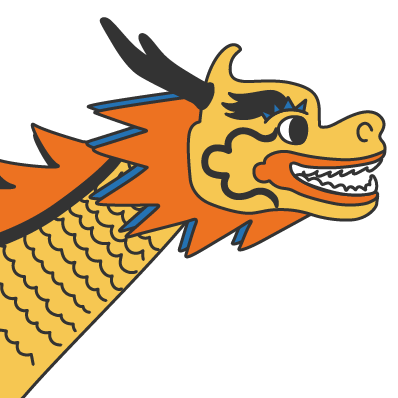
The Dragon Boat Festival is celebrated on the fifth day of the fifth lunar month and is one of China’s oldest traditional festivals. It is best known for its exciting dragon boat races, delicious zongzi, and the story of the patriotic poet Qu Yuan.
端午节
Duānwǔ Jié
Dragon Boat Festival
According to legend, Qu Yuan was a loyal government official who drowned himself in a river after his kingdom was conquered. Local people raced out in boats to search for him and threw parcels of sticky rice into the water so that fish would eat the rice instead of his body. These acts are believed to have inspired the dragon boat races and the tradition of eating zongzi.
Today, dragon boat races are held across China and in many countries around the world. Teams paddle long, brightly decorated boats in time with the beat of a drum, creating one of the most exciting events in the Chinese festival calendar.
Another important tradition is eating zongzi (粽子)—sticky rice wrapped in bamboo leaves and filled with ingredients such as pork, salted egg yolk, red bean paste, or dates. Different regions of China have their own unique recipes and flavours.
Qixi Festival (七夕节)
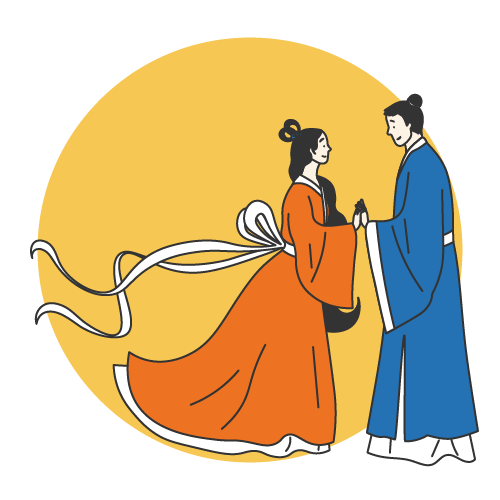
Often called Chinese Valentine’s Day, the Qixi Festival celebrates love and romance. It falls on the seventh day of the seventh lunar month and is based on one of China’s most famous folk legends.
七夕节
Qīxì Jié
Qixi Festival
The festival tells the story of the Cowherd and the Weaver Girl, two lovers who were separated by the Milky Way and allowed to meet only once a year. According to the legend, a bridge of magpies forms across the sky so they can reunite.
Traditionally, young women demonstrated their skills in sewing and embroidery while praying for wisdom, happiness, and a successful marriage. Today, many couples celebrate by exchanging gifts, enjoying romantic meals, or spending time together, making Qixi similar to Valentine’s Day in many ways.
Mid-Autumn Festival (中秋节)
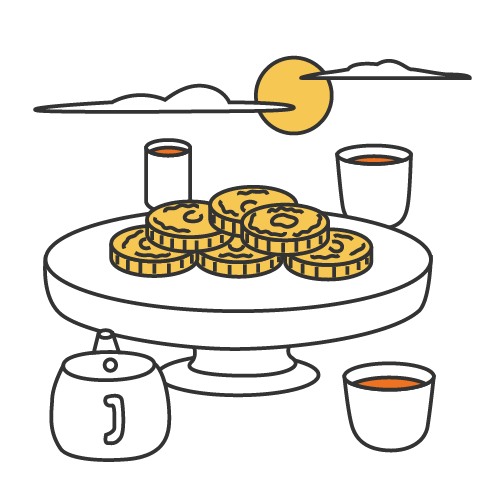
The Mid-Autumn Festival is one of the most important family celebrations in China. Held on the fifteenth day of the eighth lunar month, it takes place when the moon is believed to be at its brightest and fullest.
中秋节
Zhōngqiū jié
Mid-Autumn Festival
The festival symbolises family reunion, gratitude, and togetherness. Families gather in the evening to share a meal, admire the full moon, and spend time with loved ones. For many people, it is the second most important traditional festival after Chinese New Year.
No Mid-Autumn Festival celebration is complete without mooncakes (月饼). These rich pastries come in many varieties, with fillings ranging from lotus seed paste and salted egg yolk to red bean paste, nuts, and modern flavours such as chocolate or ice cream.
The festival is also closely linked to the legend of Chang’e, the Moon Goddess, whose story has been passed down for generations and remains one of the best-known tales in Chinese mythology.
In many cities, people also enjoy colourful lantern displays and cultural performances, creating a festive atmosphere for families and visitors alike.

Double Ninth Festival (重阳节)
The Double Ninth Festival, also known as the Chongyang Festival, is celebrated on the ninth day of the ninth lunar month.
重阳节
Chóngyáng Jié
Double Ninth Festival
The number nine is considered a yang number in traditional Chinese philosophy. Because two nines occur together on this date, the festival is known as the “Double Ninth” Festival.
Traditionally, people celebrate by climbing hills or mountains, enjoying chrysanthemum flowers, and drinking chrysanthemum tea or wine. These activities are believed to promote good health and ward off misfortune.
The festival has also become a day for showing appreciation and respect to older generations. Families often spend time with elderly relatives or visit them, reflecting the importance of filial piety in Chinese culture.

Winter Solstice Festival (冬至)
The Winter Solstice Festival, known as Dōngzhì (冬至), celebrates the shortest day and longest night of the year.
冬至
Dōngzhì
Winter Solstice
Although it is not a public holiday in mainland China, it remains an important family occasion in many Chinese communities. Traditionally, the festival marks the return of longer days and symbolises balance, harmony, and the arrival of a new seasonal cycle.
Food plays a central role in the celebrations. In northern China, families often eat dumplings, while in southern China it is common to enjoy tangyuan (汤圆), sweet glutinous rice balls whose round shape represents family unity and togetherness.
For many families, Dōngzhì is another opportunity to gather for a shared meal, reflecting the importance of family that is found throughout traditional Chinese festivals.
Common Traditions During Chinese Festivals
Although each Chinese festival has its own history and customs, many traditions appear throughout the year. These shared practices reflect the values of family, respect, gratitude, and wishing for good fortune.
Family Reunions
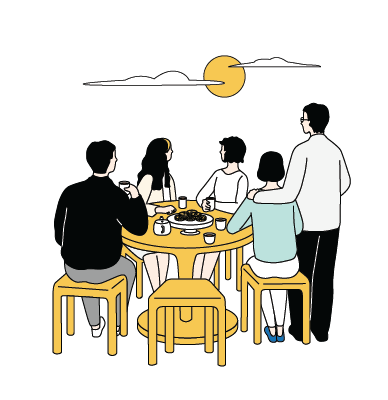
Family lies at the heart of almost every traditional Chinese festival.
Whether celebrating Chinese New Year, the Mid-Autumn Festival, or the Winter Solstice Festival, many people travel long distances to return home and spend time with their loved ones. Sharing meals and catching up with relatives are often the most important parts of the celebration.
For this reason, several Chinese festivals create some of the busiest travel periods in the world each year.

Traditional Foods
Food is an essential part of every Chinese festival, with different dishes carrying their own symbolic meanings.
Some of the best-known festival foods include:
- Dumplings (饺子), symbolising wealth and prosperity during Chinese New Year.
- Mooncakes (月饼), representing family reunion during the Mid-Autumn Festival.
- Zongzi (粽子), eaten during the Dragon Boat Festival in memory of Qu Yuan.
- Tangyuan (汤圆), enjoyed during the Lantern Festival and Winter Solstice Festival to symbolise togetherness.
- Longevity noodles (长寿面), representing wishes for a long and healthy life.
These foods are more than just festive treats, they are an important way of preserving traditions and bringing families together.
Red Decorations and Lucky Symbols
The colour red plays an important role in many Chinese festivals because it symbolises good fortune, happiness, prosperity, and protection. During major celebrations, homes, streets, shops, and temples are often decorated with bright red ornaments to welcome good luck.
Some of the most common decorations include:
- Red lanterns, which symbolise prosperity and joy.
- Spring Festival couplets (春联), featuring auspicious messages written on red paper.
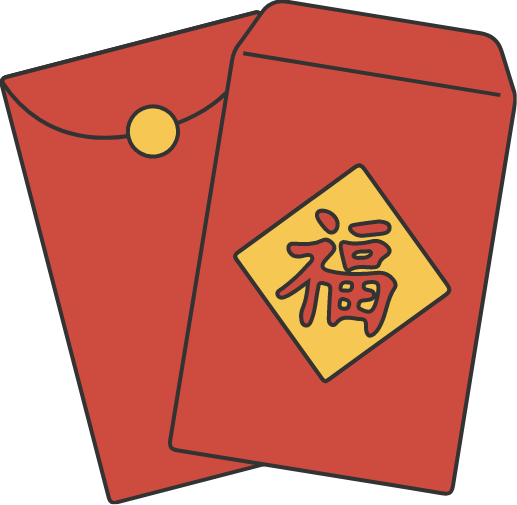
- Paper cuttings (剪纸), displaying lucky symbols such as flowers, fish, or the Chinese character 福 (fú), meaning “good fortune”.
- The Chinese character 福, which is often displayed upside down to symbolise that good fortune has “arrived”.
These colourful decorations help create a festive atmosphere while reflecting wishes for a happy and successful year ahead.
Giving Gifts
Gift-giving is another important tradition during many Chinese festivals. While customs vary depending on the occasion, gifts are usually given as a way of expressing gratitude, strengthening relationships, and wishing others good health and prosperity.
One of the best-known traditions is giving red envelopes (红包, hóngbāo) during Chinese New Year. These envelopes contain money and are commonly given by older family members to children or by married couples to younger relatives. The red envelope symbolises good luck and blessings for the year ahead.
Other popular festival gifts include:
- Mooncakes during the Mid-Autumn Festival.
- Tea and festive gift boxes.
- Fresh fruit, particularly oranges and mandarins, which symbolise good fortune.
- Traditional sweets and snacks shared with family and friends.
The meaning behind a gift is often considered more important than its value, reflecting the importance of thoughtfulness and generosity in Chinese culture
Lion and Dragon Dances
Lion dances and dragon dances are among the most recognisable traditions associated with Chinese festivals.
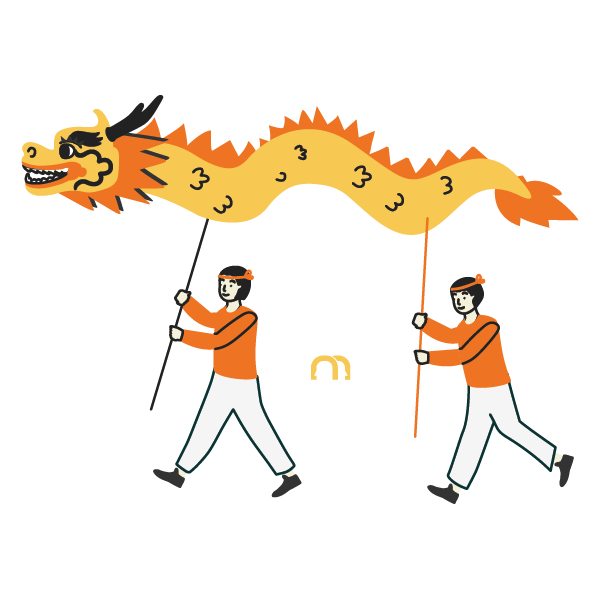
The lion dance is commonly performed during Chinese New Year, shop openings, and other celebrations. Two performers work together inside an elaborate lion costume while musicians accompany the performance with drums, cymbals, and gongs. The energetic movements are believed to drive away evil spirits and bring prosperity.
The dragon dance involves a much longer dragon figure carried by a team of performers using poles. As the dragon twists and moves through the streets, it symbolises strength, wisdom, and good fortune.
Today, both performances are enjoyed not only in China but also in Chinese communities around the world, making them an enduring symbol of Chinese culture.
Why Do Chinese Festivals Follow the Lunar Calendar?
Many people notice that the dates of festivals such as Chinese New Year, the Dragon Boat Festival, and the Mid-Autumn Festival change every year. This is because most traditional Chinese festivals are based on the Chinese lunisolar calendar rather than the Gregorian calendar used in most countries today.
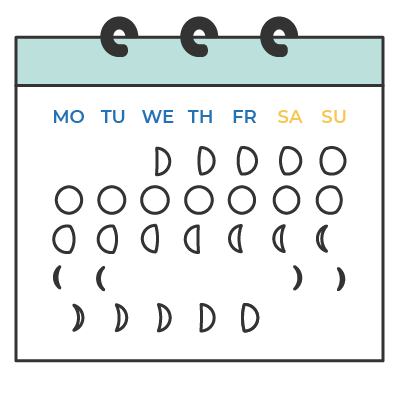
The Chinese calendar combines the cycles of the moon with the solar year. Lunar months begin with a new moon, and many festivals are celebrated on specific days within these lunar months. For example, the Mid-Autumn Festival always falls on the fifteenth day of the eighth lunar month, when the moon is traditionally at its fullest.
As a result, the corresponding Gregorian dates vary from year to year. Chinese New Year, for example, usually falls between late January and mid-February, while the Dragon Boat Festival and Mid-Autumn Festival also shift each year.
Although the dates change, the traditions and customs remain the same. Families continue to gather, prepare festive foods, and celebrate these occasions according to the traditional calendar, just as they have done for centuries.
农历
nónglì
lunar calendar
Chinese Festivals Around the World
Chinese festivals are celebrated far beyond mainland China. As Chinese communities have settled across the globe, they have brought their traditions with them, making these celebrations an important part of multicultural societies around the world.
Today, major Chinese festivals are widely celebrated in Hong Kong, Singapore, Malaysia, and many cities with large Chinese communities, including London, New York, Sydney, and Vancouver.
During Chinese New Year, city centres often come alive with colourful parades, lion and dragon dances, fireworks, and cultural performances. The Mid-Autumn Festival is marked by lantern displays and mooncake celebrations, while Dragon Boat Festival races attract both local and international teams.
These global celebrations help preserve Chinese traditions, strengthen community ties, and introduce people from different cultural backgrounds to China’s rich history and customs.
Useful Chinese Vocabulary
| chinese | pinyin | english |
|---|---|---|
| 节日 | jiérì | Festival |
| 春节 | Chūnjié | Chinese New Year |
| 元宵节 | Yuánxiāo Jié | Lantern Festival |
| 清明节 | Qīngmíng Jié | Qingming Festival |
| 端午节 | Duānwǔ Jié | Dragon Boat Festival |
| 中秋节 | Zhōngqiū Jié | Mid-Autumn Festival |
| 月饼 | yuèbǐng | Mooncake |
| 龙舟 | lóngzhōu | Dragon boat |
| 红包 | hóngbāo | Red envelope |
| 农历 | nónglì | Lunar calendar |