Ancient China was one of the world’s earliest and most influential civilisations, with a history stretching back thousands of years. During this time, generations of rulers, scholars, inventors, farmers, and artisans helped shape a civilization whose influence can still be seen in China, and around the world, today.
From the invention of paper and the compass to the teachings of Confucius and the construction of monumental landmarks, Ancient China made lasting contributions to science, philosophy, art, and culture. Many traditions that remain an important part of Chinese life today, including festivals, family values, calligraphy, and tea culture, have their origins in this remarkable period.
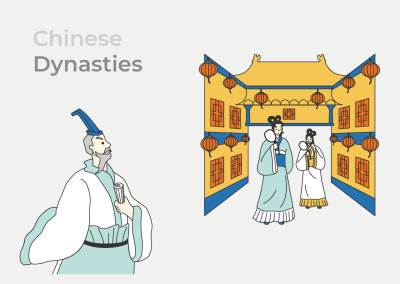
Rather than referring to a single kingdom or empire, Ancient China encompasses many centuries of history and multiple dynasties. If you’re interested in learning about the emperors and ruling families that governed China throughout this period, read our guide to Chinese Dynasties Explained, which explores the major dynasties in chronological order.
In this guide, we’ll explore what life was really like in Ancient China, from daily routines and family life to education, inventions, trade, and the cultural traditions that helped shape one of the world’s oldest continuous civilisations.
Key Takeaways
-
Ancient China was one of the world’s oldest continuous civilisations, with a history spanning several thousand years.
-
Ancient Chinese society was shaped by strong family values, education, agriculture, and philosophical traditions such as Confucianism and Taoism.
-
Everyday life varied depending on a person’s social class, occupation, and the dynasty in which they lived.
-
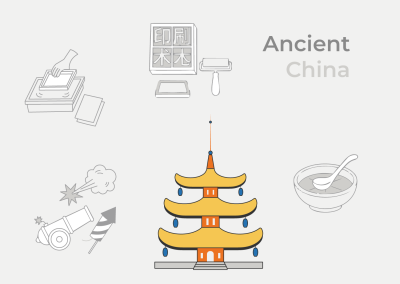
Ancient China was responsible for groundbreaking inventions, including papermaking, printing, the compass, and gunpowder.
-
Many aspects of modern Chinese culture—including language, festivals, cuisine, and traditional values—have their roots in Ancient China.
What Was Ancient China?
Ancient China refers to the early civilisation that developed in East Asia thousands of years ago. Rather than describing a single period in history, it encompasses the rise and development of Chinese civilisation from its earliest settlements through the country’s early imperial dynasties.
One of the earliest centres of Chinese civilisation emerged along the Yellow River (Huang He) in northern China. The river’s fertile soil supported agriculture, allowing communities to grow crops, establish permanent settlements, and gradually develop into organised states. Because of its importance to the growth of early civilisation, the Yellow River is often known as the “Cradle of Chinese Civilisation.”
Agriculture formed the foundation of life in Ancient China. Most people worked as farmers, growing crops such as millet in the north and rice in the south. As farming techniques improved, populations grew, cities expanded, and governments became more organised. Over time, Chinese civilisation developed sophisticated writing systems, advanced technologies, influential philosophies, and extensive trade networks that connected China with other parts of Asia and beyond.
Although Ancient China changed significantly over thousands of years, many of its cultural traditions and innovations continued to influence later generations, laying the foundations for Chinese society as we know it today.

黄河
Huánghé
Huanghe river
(lit.”yellow-river”)
Daily Life in Ancient China
Although life in Ancient China changed over time, most people shared a similar daily routine centred around family, farming, education, and community. Where someone lived and what they did each day depended largely on their social class, occupation, and the dynasty in which they lived.
For most ordinary people, life revolved around growing food, caring for family members, and contributing to their local community.
Family Life
Family was the foundation of Ancient Chinese society.
It was common for several generations to live together under one roof, with grandparents, parents, children, and sometimes extended relatives sharing the same household. The oldest members of the family were highly respected and often made important decisions for the household.
Respect for parents and elders was an important value known as filial piety. Influenced by the teachings of Confucius, children were expected to honour, obey, and care for their parents throughout their lives.
Family celebrations, ancestor worship, and seasonal festivals also played an important role in bringing relatives together and strengthening family bonds.
Education
Education was highly valued in Ancient China, particularly among families who hoped their children could become government officials.
Students spent years memorising classical texts, practising calligraphy, and studying philosophy, history, and literature. Learning often focused on discipline, respect, and moral character as much as academic knowledge.
For those who wished to serve in government, success depended on passing the imperial examinations. These challenging exams tested a candidate’s understanding of Confucian teachings and became one of the world’s earliest merit-based systems for selecting public officials.
Although only a small percentage of people took these examinations, they helped shape Chinese education for more than a thousand years.
Clothing
Clothing in Ancient China reflected a person’s occupation, wealth, and social status.
Wealthy families often wore garments made from fine silk, while ordinary people typically wore clothing made from hemp, linen, or cotton in later periods. Loose-fitting robes with wide sleeves were common for both men and women.
Colours also carried symbolic meaning. Bright yellow was traditionally associated with the emperor, while members of the imperial court often wore specific colours and patterns according to their rank.
Although clothing styles evolved over different dynasties, comfort, modesty, and practicality remained important features of traditional dress.
Food and Drink
Food in Ancient China varied depending on where people lived, the season, and their social status. However, most meals were simple, nutritious, and made using locally available ingredients.
In northern China, people mainly grew millet and later wheat, which were used to make noodles, steamed buns, and dumplings. In southern China, the warmer climate was ideal for growing rice, which became a staple food and remains one of the most important ingredients in Chinese cuisine today.
Vegetables such as cabbage, onions, beans, and radishes were commonly eaten, while soybeans were used to produce foods like tofu and soy sauce. Meat was less common for ordinary families and was usually reserved for special occasions or festivals.
Tea also became an important part of daily life. Although it was first consumed for medicinal purposes, it gradually developed into one of China’s most popular drinks and remains deeply connected to Chinese culture today.
Like people in modern China, many families used chopsticks to eat their meals. These simple utensils have been used in China for thousands of years and are still an essential part of Chinese dining.
Homes
Most people in Ancient China lived in small villages surrounded by farmland, although larger towns and cities gradually developed as trade expanded.
The homes of ordinary farmers were usually built from locally available materials such as wood, mud bricks, bamboo, or packed earth. These houses were practical rather than luxurious and often consisted of just a few rooms.
Wealthier families lived in much larger homes with spacious courtyards, decorative gardens, and tiled roofs. These courtyard houses were designed to provide privacy while allowing several generations of the same family to live together.
Regardless of wealth, many homes included a family altar where ancestors were honoured, reflecting the importance of family and tradition in everyday life.
Ancient Chinese Society
Ancient Chinese society was highly organised and based on a clear social hierarchy. A person’s role often determined their responsibilities, education, and opportunities, although this could vary between different dynasties.
Confucian philosophy placed great importance on maintaining social harmony, with each person expected to fulfil their duties within the family and wider community.
Emperor
At the top of society was the emperor, who was regarded as the ruler of the empire and the highest political authority.
Many people believed the emperor ruled under the Mandate of Heaven, meaning his authority depended on governing fairly and responsibly. The emperor was responsible for overseeing the government, protecting the country, and maintaining stability throughout the empire.
Government Officials and Scholars
Below the emperor were government officials and scholars.
Many officials earned their positions by passing the imperial examinations, which tested their knowledge of Confucian teachings and classical literature. As a result, education was highly respected, and scholars were considered among the most honoured members of society.
Officials managed local government, collected taxes, enforced laws, and advised the emperor on important matters.
Farmers
Although farming was physically demanding, farmers were highly respected because they produced the food that sustained the population.
Most families worked long hours in the fields growing crops such as rice, wheat, or millet. Successful harvests were essential, and poor weather could lead to food shortages or famine.
Agriculture formed the backbone of Ancient China’s economy, making farmers one of the most important groups in society.
Artisans
Artisans were skilled craftspeople who produced goods for everyday life as well as luxury items for the wealthy.
They created pottery, furniture, jewellery, silk fabrics, tools, bronze objects, and fine ceramics. Their craftsmanship helped drive local economies and contributed to many of the artistic achievements for which Ancient China is famous.
Merchants
Merchants bought and sold goods both within China and along international trade routes such as the Silk Road.
Many merchants became extremely wealthy through trade. However, despite their financial success, they were often ranked below farmers and artisans in traditional Confucian society because they were viewed as profiting from the work of others rather than producing goods themselves.
Even so, merchants played an important role in connecting different regions, encouraging trade, and introducing new products and ideas from abroad.
Ancient Chinese Culture
Ancient China was more than a powerful civilisation, it was also home to ideas, beliefs, and traditions that continue to influence Chinese society today. Philosophy, religion, art, and seasonal celebrations all played an important role in everyday life and helped shape one of the world’s richest cultural heritages.
Philosophy
Philosophy guided many aspects of life in Ancient China, from family relationships to education and government.
The most influential philosophy was Confucianism, developed by the scholar Confucius during the Zhou Dynasty. Confucianism teaches the importance of respect, kindness, honesty, education, and strong family relationships. These values became deeply embedded in Chinese society and influenced government, schools, and family life for centuries.
Another important philosophy was Taoism (Daoism), traditionally associated with the philosopher Laozi. Taoism encourages people to live in harmony with nature, embrace simplicity, and seek balance in life. Its principles continue to influence Chinese medicine, martial arts, art, and traditional beliefs today.
Religion and Beliefs
Religion in Ancient China was diverse and evolved over time.
Many people practised ancestor worship, believing that deceased family members continued to watch over and guide future generations. Families often honoured their ancestors through ceremonies, offerings, and family altars in the home.
Over time, Buddhism spread to China from India, introducing new religious ideas, temples, and artistic traditions. Rather than replacing existing beliefs, Buddhism existed alongside Confucianism, Taoism, and traditional folk practices, creating a rich and diverse spiritual culture.
Festivals and Traditions
Many festivals celebrated in China today have their roots in ancient traditions.
Seasonal celebrations often marked important events in the agricultural calendar, such as planting crops or celebrating successful harvests. Families gathered to prepare special foods, honour their ancestors, and spend time together.
Many customs associated with festivals, such as decorating homes, giving symbolic foods, and wishing others good fortune, have been passed down through generations and remain an important part of Chinese culture.
Art and Literature
Art was highly valued in Ancient China and was seen as both a practical skill and a form of personal expression.
Painting, music, poetry, ceramics, and sculpture flourished across different dynasties. Artists often drew inspiration from nature, believing that landscapes reflected harmony between people and the natural world.
Chinese calligraphy, the artistic practice of writing Chinese characters with brush and ink, became one of the highest forms of artistic achievement. It combined language, creativity, and discipline, and is still widely admired today.
Ancient Chinese Inventions
Ancient China was one of the world’s greatest centres of innovation. Chinese inventors and craftsmen developed technologies that transformed daily life and influenced societies around the world.
Many of these inventions were centuries ahead of their time and continue to have an impact today.
The Four Great Inventions
The Four Great Inventions of Ancient China are widely recognised as some of the most important technological breakthroughs in human history.
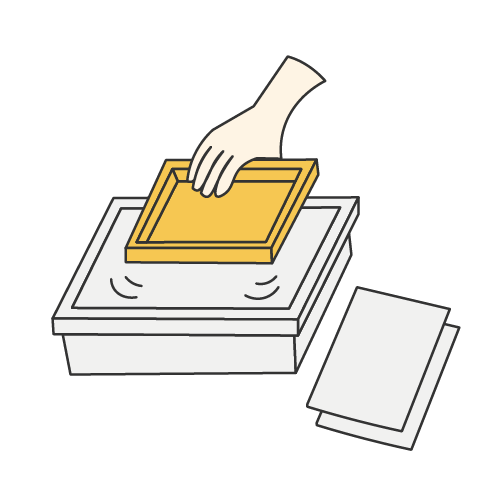
Papermaking
Before paper was invented, people wrote on materials such as bamboo strips and silk, which were expensive or difficult to produce.
During the Han Dynasty, improvements to papermaking made books, official documents, and education far more accessible. Paper eventually spread across Asia, the Middle East, and Europe, revolutionising communication and learning.
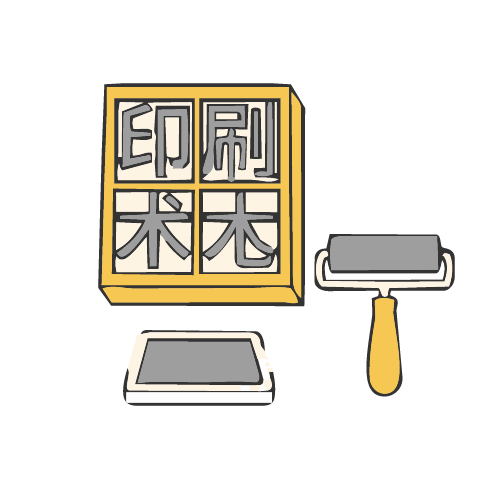
Printing
Ancient China pioneered both woodblock printing and later movable-type printing, allowing books to be reproduced much more efficiently than handwritten copies.
Printing helped preserve literature, spread knowledge, and improve access to education throughout China.
The Compass
The earliest Chinese compasses were originally used for feng shui and divination before being adapted for navigation.
As maritime trade expanded, the compass became an essential tool for sailors, helping them travel across long distances with greater confidence and accuracy.
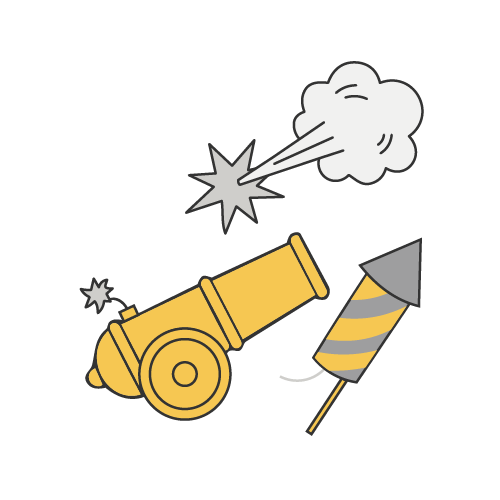
Gunpowder
Gunpowder was first discovered by Chinese alchemists who were searching for an elixir of immortality.
Although it was initially used in fireworks and religious ceremonies, it later transformed warfare through the development of rockets, bombs, and early firearms. Eventually, knowledge of gunpowder spread to other parts of the world.
Other Important Ancient Chinese Inventions
The Four Great Inventions were only part of Ancient China’s remarkable legacy. Chinese inventors also developed many other innovations that improved everyday life and advanced science.
Some of the most notable include:
- Porcelain, prized for its beauty and durability and exported around the world.
- Silk production, which became one of China’s most valuable industries and a major export along the Silk Road.
- The wheelbarrow, making it easier to transport heavy goods and farming equipment.
- The seismograph, one of the earliest devices designed to detect earthquakes.
- Iron casting, which improved farming tools, weapons, and construction.
- The crossbow, an important military innovation used for centuries.
- Kites, originally used for military signalling and measurement before becoming popular recreational toys.
These innovations demonstrate the creativity and ingenuity of Ancient Chinese civilisation and explain why China was one of the world’s leading centres of science and technology for much of history.
Trade and the Silk Road
Trade played a vital role in the growth of Ancient China, allowing goods, ideas, and cultures to travel across vast distances.
The most famous trade network was the Silk Road, a series of overland and maritime routes that connected China with Central Asia, the Middle East, and Europe. Rather than being a single road, it was a network of trading routes used by merchants for centuries.
Chinese merchants exported valuable goods such as silk, tea, porcelain, paper, and lacquerware. In return, traders brought horses, spices, precious stones, glassware, and new ideas into China.
The Silk Road also encouraged cultural exchange. Religions such as Buddhism spread into China through these trade routes, while Chinese inventions and technologies gradually reached other parts of the world.
Amazing Ancient China Facts
Looking for some interesting facts about Ancient China? Here are some of the most fascinating:
- Ancient China is one of the world’s oldest continuous civilisations, with a history spanning more than 4,000 years.
- The Chinese writing system is one of the oldest writing systems still in use today.
- China invented paper, printing, the compass, and gunpowder—known as the Four Great Inventions.
- The Silk Road connected China with Europe, the Middle East, and other parts of Asia for centuries.
- The Great Wall of China stretches for more than 21,000 kilometres, although it was built and expanded over many different dynasties.
- The famous Terracotta Army contains thousands of life-sized soldiers created to guard the tomb of China’s first emperor, Qin Shi Huang.
- Tea has been enjoyed in China for thousands of years and remains one of the country’s most important cultural traditions.
- Ancient Chinese scholars studied philosophy, literature, history, and calligraphy for many years to prepare for government examinations.
- Silk was considered one of Ancient China’s most valuable exports and was highly prized throughout the ancient world.
- Many traditions that began in Ancient China, including ancestor worship, calligraphy, and tea culture, continue to influence Chinese society today.
Useful Chinese Vocabulary
| english | chinese | pinyin |
|---|---|---|
| Ancient China | 古代中国 | Gǔdài Zhōngguó |
| Civilisation | 文明 | wénmíng |
| Dynasty | 朝代 | cháodài |
| Emperor | 皇帝 | huángdì |
| Culture | 文化 | wénhuà |
| History | 历史 | lìshǐ |
| Silk | 丝绸 | sīchóu |
| Paper | 纸 | zhǐ |
| Tea | 茶 | chá |
| Philosophy | 哲学 | zhéxué |