China has several official public holidays throughout the year, but Chinese national holidays are not the same thing as all traditional Chinese festivals.
For travellers, knowing the difference matters. Public holidays can affect train and flight availability, hotel prices, attraction crowds and opening hours. Some holidays also create extended periods when millions of people travel across the country.
The dates aren’t always fixed, either. Some holidays follow the Gregorian calendar, while others are based on the traditional lunar calendar and therefore fall on different dates each year.
Here’s what you need to know about Chinese public holidays, including the main holidays, Golden Week and what to expect when travelling in China.
Key Takeaways
-
China has several officially recognised public holidays throughout the year.
-
Some public holidays follow the lunar calendar, so their dates change annually.
-
Chinese New Year and National Day are particularly important travel periods.
-
Golden Week can bring extremely high demand for trains, flights, hotels and tourist attractions.
-
Not every traditional Chinese festival is an official public holiday.
-
China’s official holiday and working-day arrangements can change each year.
What Are Chinese National Holidays?
Chinese national holidays are officially designated public holidays observed across China. They affect working and school schedules and can create periods when people have time off to travel, visit family or take part in celebrations.
The holiday calendar includes both national celebrations and traditional festivals that have been given official public-holiday status.
However, it is useful to distinguish these from the much broader category of Chinese festivals. China has many traditional celebrations, customs and local festivals that may be culturally important without being nationwide public holidays.
For travellers, the distinction is particularly useful. A festival may be widely celebrated without causing the same disruption to transport and businesses as a major national holiday.
公众假期
gōngzhòng jiàqī
public holiday(s)
China Public Holidays at a Glance
The main public holidays in China include:
| holiday | chinese | usual timing |
|---|---|---|
| New Year’s Day | 元旦 | January 1 |
| Spring Festival / Chinese New Year | 春节 | January or February |
| Qingming Festival | 清明节 | April |
| Labour Day | 劳动节 | May |
| Dragon Boat Festival | 端午节 | May or June |
| Mid-Autumn Festival | 中秋节 | September or October |
| National Day | 国庆节 | October 1 |
Chinese National Holidays Explained
New Year’s Day
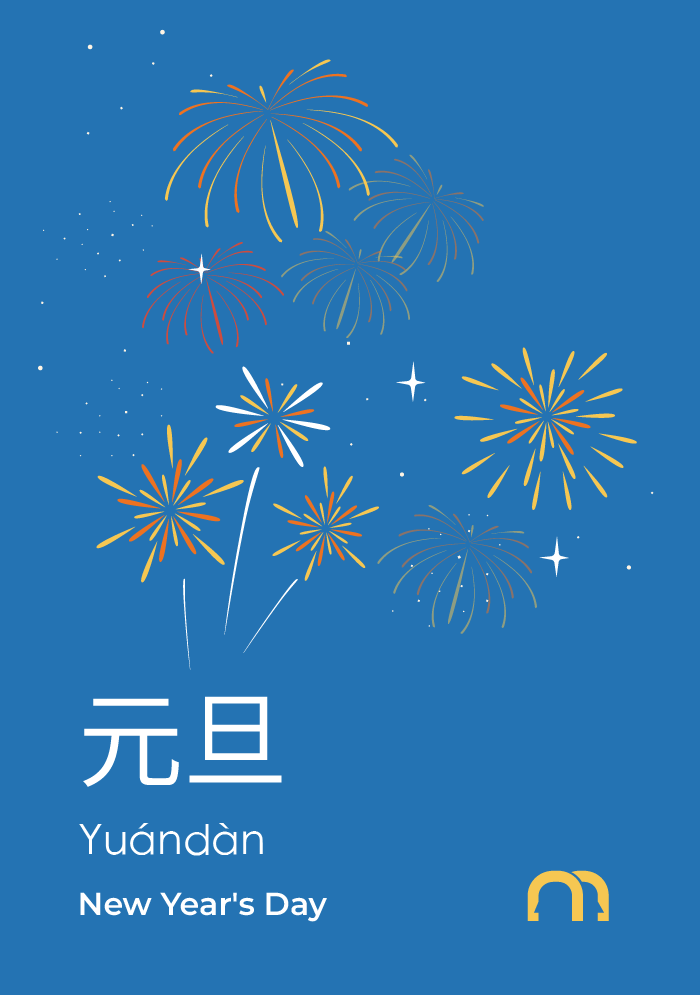
New Year’s Day (元旦, Yuándàn) falls on January 1 and follows the Gregorian calendar.
Compared with Chinese New Year, it is a relatively short holiday period. It is observed across China and can still affect travel and business opening hours, particularly around the holiday itself.
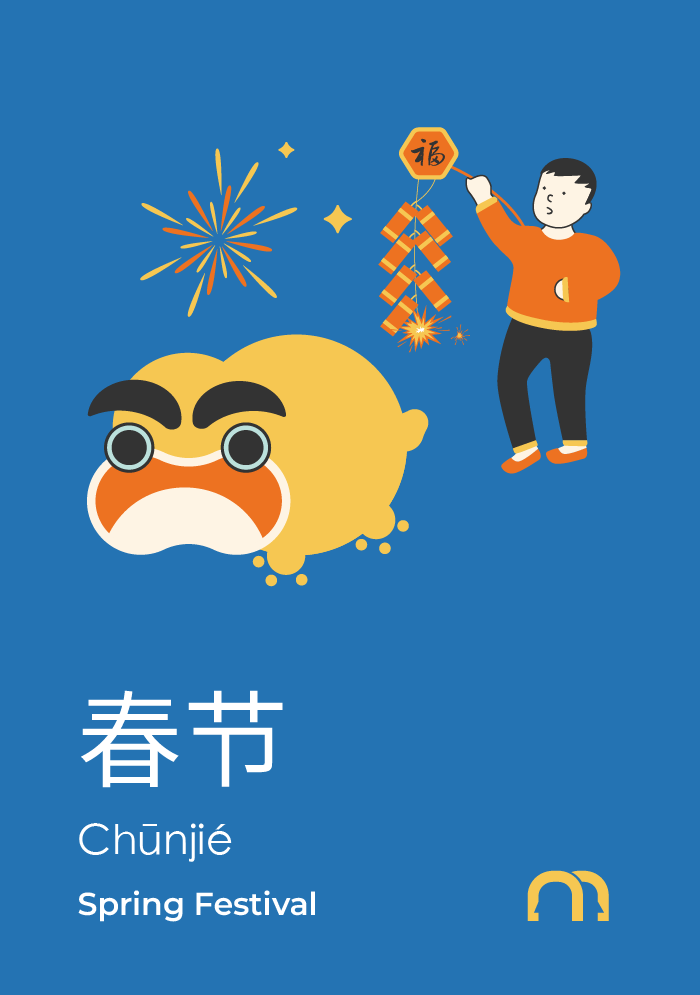
Spring Festival / Chinese New Year
Spring Festival (春节, Chūnjié) is the traditional celebration commonly known as Chinese New Year. It follows the lunar calendar, so its date changes each year.
It is the most significant traditional holiday period in China and is closely associated with family reunions, festive meals, decorations and other customs.
The holiday also creates one of the largest annual travel periods in the country.
Qingming Festival
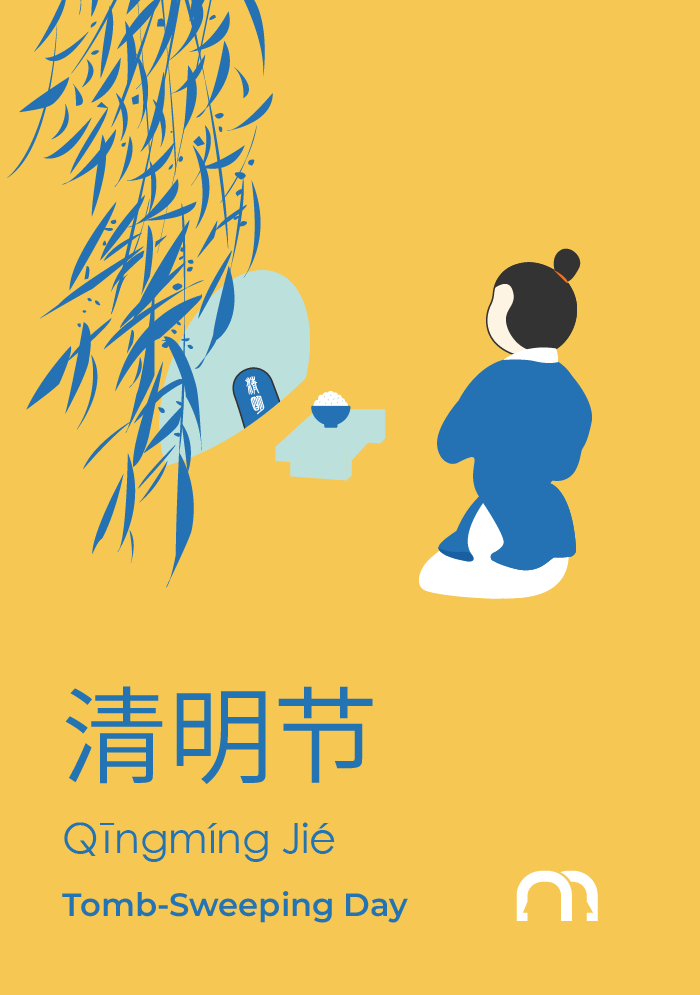
Qingming Festival (清明节, Qīngmíngjié) usually falls in early April.
It is traditionally associated with honouring ancestors and visiting or cleaning family graves. People may also spend the holiday outdoors as spring arrives.
Although Qingming has strong cultural and historical roots, it is also an official public holiday.
Labour Day
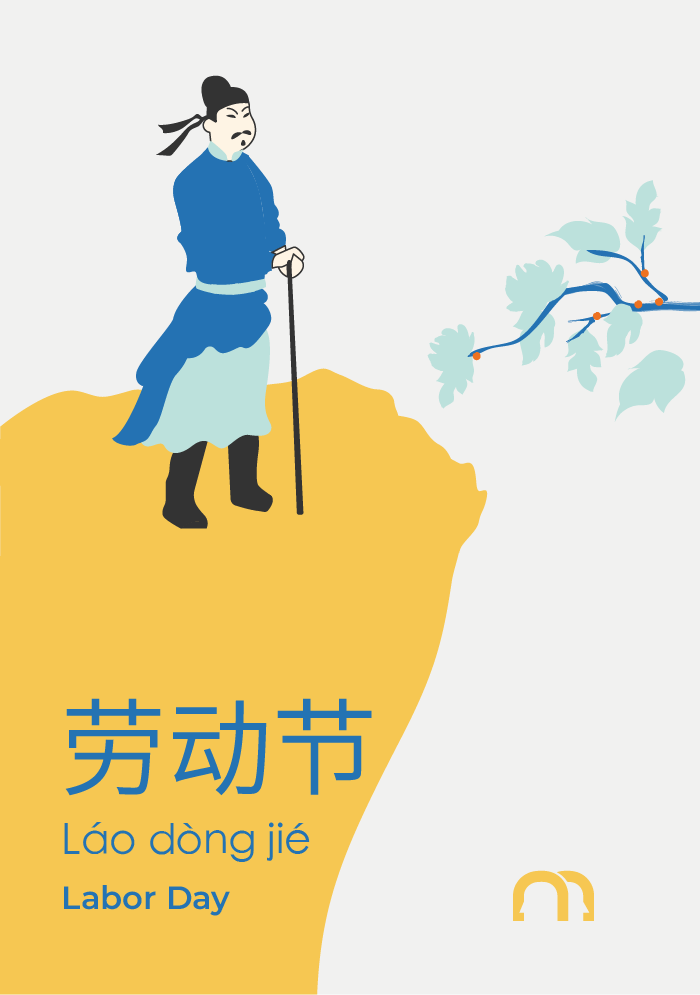
Labour Day (劳动节, Láodòngjié) takes place around May 1.
It is an official public holiday and can be a busy period for domestic travel. Popular cities, attractions and transport networks may see increased demand during the holiday period.
Dragon Boat Festival
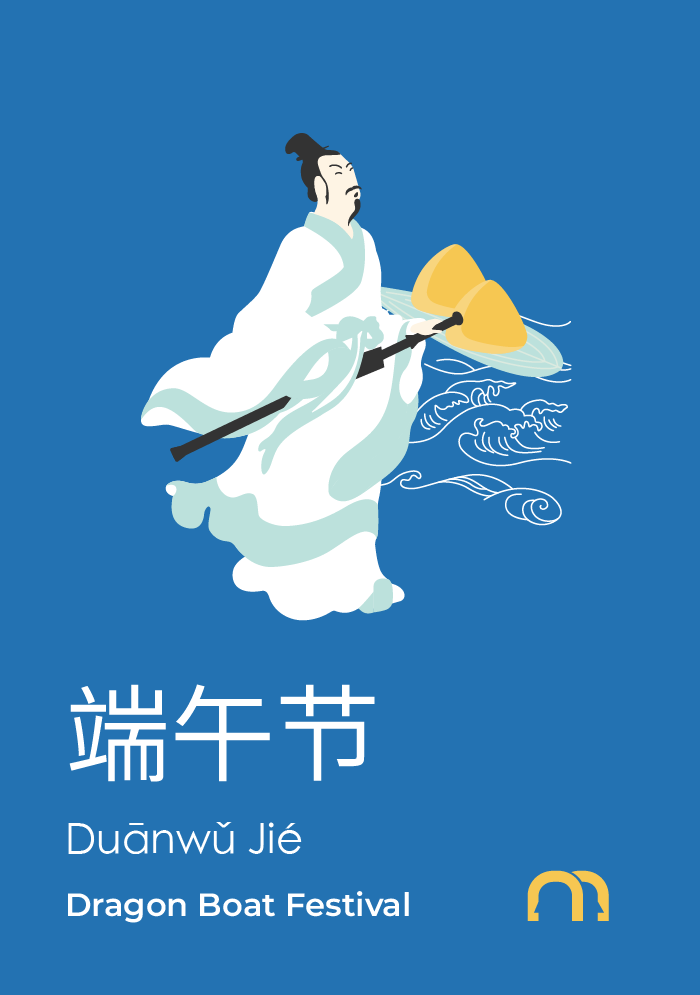
Dragon Boat Festival (端午节, Duānwǔjié) falls on the fifth day of the fifth month of the traditional lunar calendar, usually in May or June. The festival is associated with traditions such as dragon boat racing and eating zongzi (粽子).
It is also an official public holiday in China.
For more on the history, traditions and food associated with the festival, read our guide to the Dragon Boat Festival.
Mid-Autumn Festival
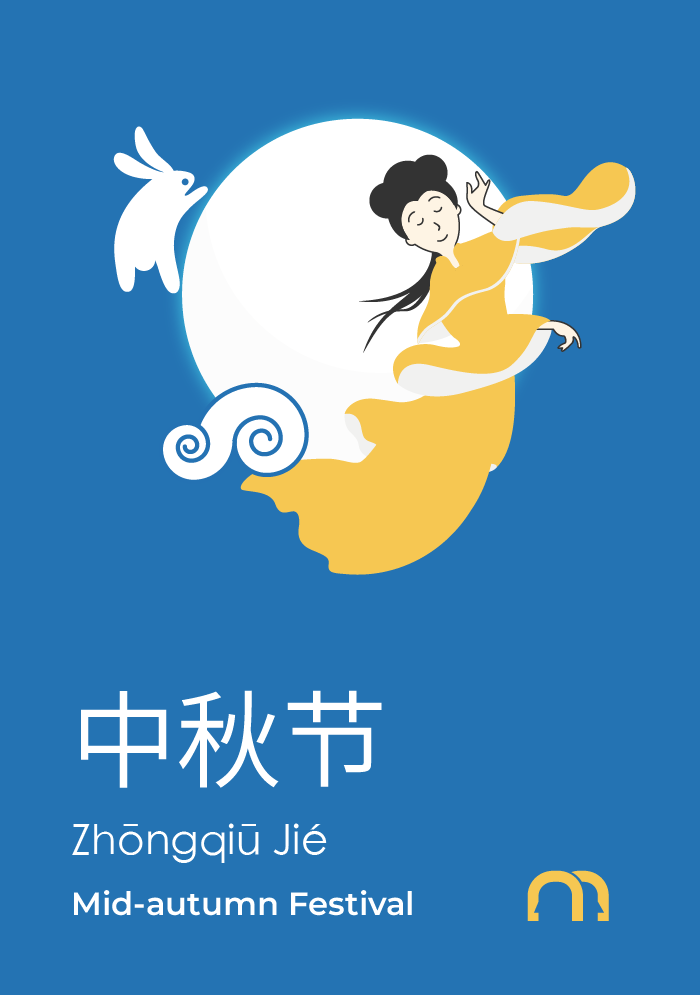
Mid-Autumn Festival (中秋节, Zhōngqiūjié) falls on the 15th day of the eighth month of the lunar calendar, usually in September or October.
The festival is closely associated with the full moon, family gatherings and mooncakes (月饼, yuèbǐng).
It is an official public holiday, although its exact holiday arrangements can vary depending on the annual government schedule.
National Day
National Day (国庆节, Guóqìngjié) begins on October 1 and commemorates the founding of the People’s Republic of China in 1949.
The holiday period is one of the busiest times of the year for domestic travel and is commonly known as Golden Week.
What Is China’s Golden Week?
Golden Week refers to an extended national holiday period when many people in China have several consecutive days away from work.
The two periods most strongly associated with Golden Week are:
- Spring Festival
- National Day
These holidays create enormous domestic travel demand. People may return to their hometowns to visit family, while others use the break to travel.
For visitors, this can make a significant difference to a trip.
Transport Gets Busy
Trains and flights can sell out quickly, particularly on routes connecting major cities with popular tourist destinations.
Tourist Attractions Become Crowded
Famous attractions can receive very large numbers of visitors. Places that are normally manageable can feel completely different during Golden Week.
Accommodation Can Be More Expensive
Hotels and other accommodation in popular destinations may experience higher demand during major holiday periods.
Travel Takes Longer
Crowded stations, airports and roads can mean that journeys take considerably longer than usual.
If you’re planning to travel during Golden Week, booking important transport and accommodation well in advance is particularly important.
Are Chinese Festivals the Same as Public Holidays?
No.
China has a much larger collection of traditional festivals than the number of official public holidays.
Some traditional festivals have been designated public holidays, including Qingming Festival, Dragon Boat Festival and Mid-Autumn Festival. Others may be widely celebrated culturally without giving everyone a nationwide day off.
This distinction is useful because “Chinese festival” is a cultural category, while “public holiday” has a practical and official meaning.
China’s traditional calendar includes celebrations connected to family, ancestors, seasonal changes, food, history and religion. To explore these traditions in more detail, see our guide to Chinese festivals.
How China’s Holiday Calendar Works
One confusing aspect of China’s holiday system is that the official holiday period does not always correspond simply to the number of days people are away from work.
Each year, the government announces the official holiday arrangements. These can include a combination of:
- public holiday days
- weekends
- adjusted working days
- extended holiday periods
This means that a holiday period may be several days long even when only some of those days are officially designated as public holidays.
The calendar also uses both Gregorian and lunar dates. New Year’s Day and National Day have fixed Gregorian dates, while holidays such as Spring Festival, Dragon Boat Festival and Mid-Autumn Festival change dates each year.
For this reason, travellers should always check the current year’s official holiday schedule when planning a trip.
Which Chinese Holidays Are Busiest for Travellers?
Not every public holiday has the same effect on travel.
Spring Festival
Spring Festival is usually the most significant travel period of the year. The movement of people around the country during this period is known as Chunyun (春运).
Millions of people travel to reunite with family, creating exceptionally high demand for trains, flights and other forms of transport.
National Day
National Day Golden Week is another major travel period. Popular tourist destinations can become extremely crowded, particularly during the first several days of the holiday.
Other Public Holidays
Qingming Festival, Labour Day, Dragon Boat Festival and Mid-Autumn Festival can also increase domestic travel, although the scale varies by holiday and year.
If you’re visiting China for sightseeing, it’s worth checking the holiday calendar before choosing your travel dates.
Tips for Travelling During Chinese Public Holidays
You don’t necessarily need to avoid public holidays altogether, but you should plan differently.
Book Transport Early
For major holiday periods, book trains and flights as early as possible. Popular routes can become difficult to secure close to the travel date.
Expect Crowds
Major attractions, railway stations and airports can be much busier than normal.
Check Accommodation Prices
Hotel demand can increase sharply in popular destinations during national holidays.
Check Opening Hours
Museums, attractions, restaurants and other businesses may operate different schedules during holidays.
Don’t Only Look at the Official Dates
Travel congestion can begin before the holiday officially starts and continue afterwards, particularly around Spring Festival.
If you have flexibility, travelling outside the busiest periods can make it much easier to move between cities and visit major attractions.
Chinese Holiday Vocabulary
If you’re learning Mandarin, these words will come in handy when talking about holidays and travel in China.
| chinese | pinyin | english |
|---|---|---|
| 公共假期 | gōnggòng jiàqī | public holiday |
| 假期 | jiàqī | holiday |
| 元旦 | Yuándàn | New Year’s Day |
| 春节 | Chūnjié | Spring Festival |
| 清明节 | Qīngmíngjié | Qingming Festival |
| 劳动节 | Láodòngjié | Labour Day |
| 端午节 | Duānwǔjié | Dragon Boat Festival |
| 中秋节 | Zhōngqiūjié | Mid-Autumn Festival |
| 国庆节 | Guóqìngjié | National Day |
| 春运 | Chūnyùn | travel rush |