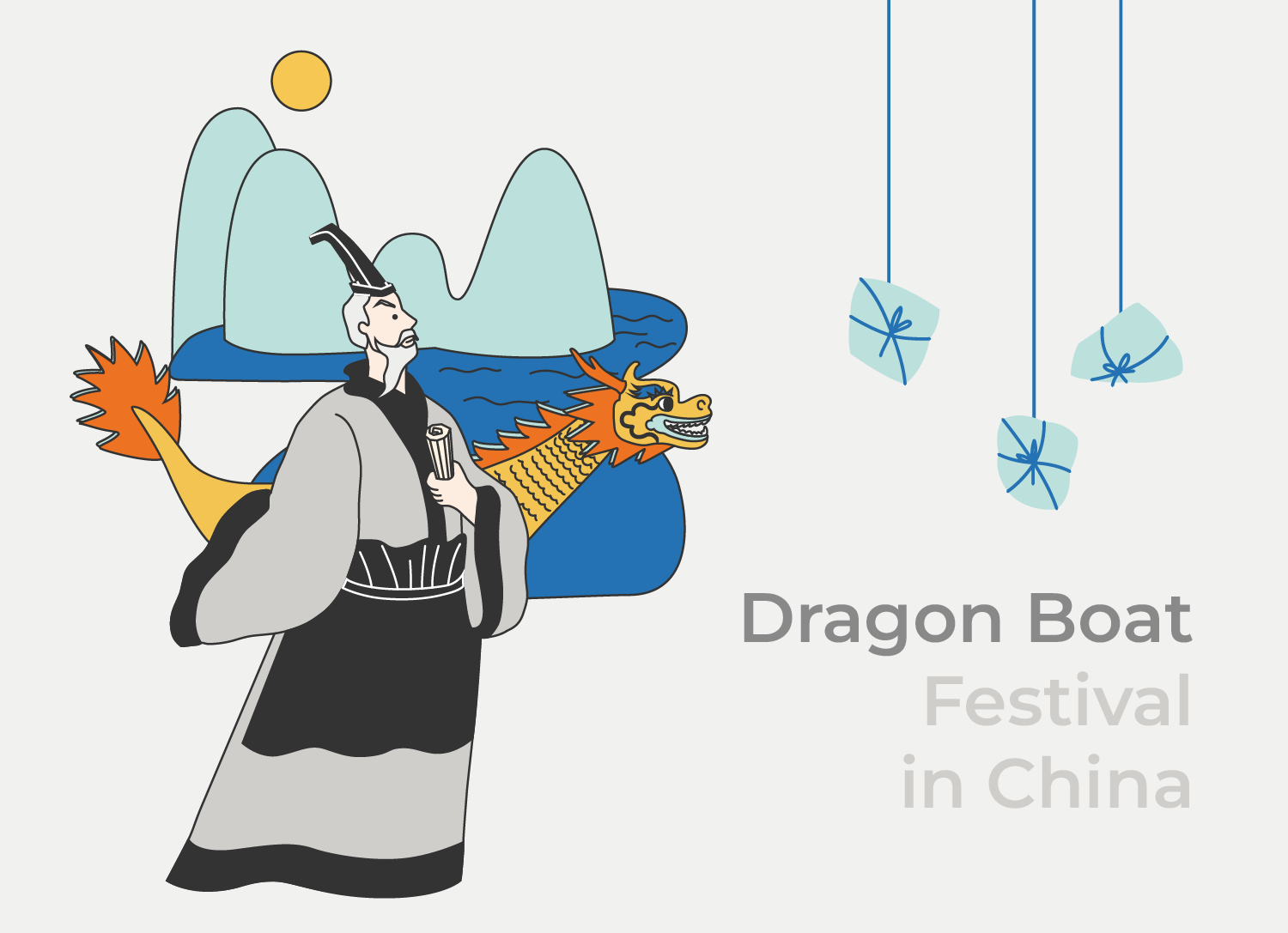
The Dragon Boat Festival (端午节, Duānwǔ Jié) is one of the best-known traditional Chinese festivals. It is celebrated on the fifth day of the fifth month of the traditional Chinese lunar calendar, usually falling in May or June on the Gregorian calendar.
The festival is famous for its dragon boat races, but there is much more to it than racing. It is also associated with Qu Yuan, zongzi, family traditions, seasonal customs and ideas of health and protection.
The Dragon Boat Festival has ancient roots, and its history developed over time. The famous story of Qu Yuan (屈原, Qū Yuán) became one of the festival’s best-known legends, helping shape traditions that are still celebrated today.
In this guide, we’ll explore the history of the Dragon Boat Festival, the story of Qu Yuan, why people race dragon boats, what zongzi are, and how the festival is celebrated in China today.
Key Takeaways
- The Dragon Boat Festival is called 端午节 (Duānwǔ Jié) in Chinese
- It takes place on the fifth day of the fifth month of the traditional lunar calendar
- It is also known as the Duanwu Festival
- Dragon boat racing is one of the festival’s most recognizable traditions
- Zongzi (粽子) are traditional sticky rice dumplings wrapped in leaves
- The festival is strongly associated with Qu Yuan, an ancient Chinese poet and statesman
- Traditional customs have also included practices associated with health, protection and seasonal wellbeing
What Is the Dragon Boat Festival?
The Dragon Boat Festival (端午节, Duānwǔ Jié) is a traditional Chinese festival celebrated on the fifth day of the fifth month of the lunar calendar.
It is also known as the Duanwu Festival or, more commonly in English, the Dragon Boat Festival.
The festival is best known for its colorful dragon boat races, but these are only one part of a much broader set of traditions. Families may also prepare and share zongzi, take part in seasonal customs, and gather to celebrate together.
The festival is also connected with ideas of health and protection. Historically, the fifth month was sometimes associated with heat, illness and harmful influences, so certain customs developed around protecting people’s wellbeing.
The Dragon Boat Festival is celebrated in many parts of China, but traditions can differ significantly between regions. Local foods, customs and ways of celebrating have developed over many centuries.
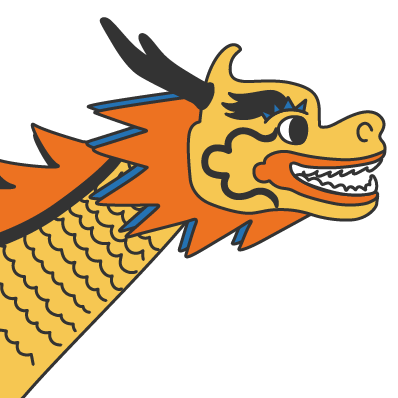
端午节
Duānwǔ Jié
Dragon Boat Festival
When Is the Dragon Boat Festival?
The Dragon Boat Festival takes place on the fifth day of the fifth month of the traditional Chinese lunar calendar.
Because the lunar calendar does not align exactly with the Gregorian calendar, the festival falls on a different date each year. It usually takes place in May or June.
Here are some upcoming dates:
| year | mid-autumn festival |
|---|---|
| 2026 | June 19 |
| 2027 | June 9 |
| 2028 | May 27 |
| 2029 | June 15 |
| 2030 | June 3 |
What Is the History of the Mid-Autumn Festival?
The Mid-Autumn Festival has a long history, but there is no single event that can be identified as its exact beginning.
Its development is connected to older traditions surrounding the autumn harvest and the moon. Seasonal rituals and celebrations gave people opportunities to express gratitude for the harvest and mark an important point in the agricultural year.
Over time, these traditions developed into more formal celebrations. The festival became increasingly associated with family gatherings, moon viewing and the idea of reunion.
Different periods of Chinese history contributed to the traditions we recognize today. Stories, foods and customs associated with the festival continued to develop and spread across different regions.
This is why the Mid-Autumn Festival should not be understood as one tradition that has remained completely unchanged for thousands of years. Instead, it is a celebration whose customs have evolved over time while retaining some central themes, particularly the moon, family and togetherness.
Who Was Qu Yuan?
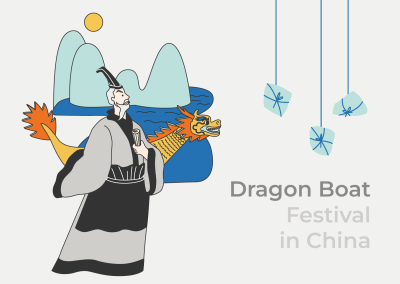
Qu Yuan (屈原, Qū Yuán) is one of the most important historical figures associated with the Dragon Boat Festival.
He was a poet and statesman from the ancient state of Chu, during the Warring States period of Chinese history. He is remembered both for his political career and for his poetry, which expressed his loyalty to Chu and his concerns about its future.
Qu Yuan is particularly important in the history of Chinese literature. He is closely associated with Chu Ci (楚辞), a major early tradition of Chinese poetry that developed in the southern state of Chu.
His writings are known for their distinctive style and their themes of loyalty, morality, nature and political ideals.
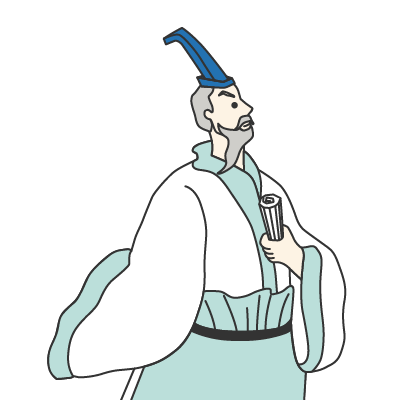
屈原
Qū Yuán
Qu Yuan
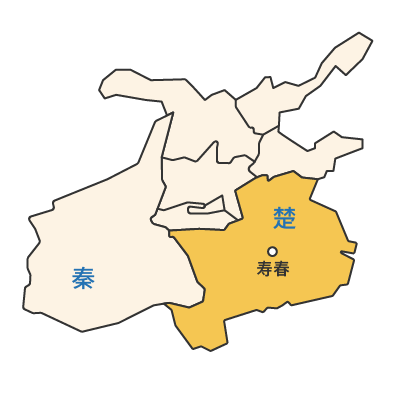
Qu Yuan and the State of Chu
According to traditional accounts, Qu Yuan served the state of Chu but became increasingly unhappy with its political situation.
He is said to have advised the ruler on matters of government and foreign relations.
However, his political views eventually put him at odds with other officials, and he was removed from positions of influence.
As the conflict between Chu and the neighboring state of Qin intensified, Qu Yuan remained deeply concerned about the future of his homeland.
His loyalty to Chu became an important part of the way he was remembered after his death.
The Legend of Qu Yuan
The best-known story connects Qu Yuan directly with the origins of several Dragon Boat Festival traditions.
According to the traditional legend, Chu was eventually defeated by Qin, causing Qu Yuan great distress. He is said to have drowned himself in the Miluo River after learning of the fall of his state.
When local people heard what had happened, they reportedly rushed onto the river in boats to search for him.
According to the legend, they also threw rice into the water to prevent fish from eating his body. Over time, this story became closely associated with the Dragon Boat Festival.
The boats became connected with the modern tradition of dragon boat racing, while the rice was traditionally associated with zongzi, the sticky rice dumplings eaten during the festival.
It is important to distinguish the legend from established historical evidence. The Qu Yuan story is a deeply rooted cultural tradition, but historians generally recognize that the Dragon Boat Festival has older and more complex origins than the story alone.
Why Are Dragon Boat Races Part of the Festival?
Dragon boat racing is one of the most recognizable traditions of the Dragon Boat Festival.
According to the traditional story of Qu Yuan, people raced onto the river in boats after learning that he had drowned. They were said to have searched for him and tried to recover his body.
Over time, this story became associated with the competitive dragon boat races we see today.
However, boat-related traditions in southern China have a much longer history, and the origins of dragon boat racing are more complex than the Qu Yuan legend alone.
If you are interested in dragons, learn more about the Year of the Dragon.
龙舟
lóngzhōu
Dragon Boat

What Is a Dragon Boat?
A traditional dragon boat (龙舟, lóngzhōu) is a long, narrow boat decorated with features inspired by a dragon.
A racing team usually includes several paddlers who work together to move the boat forward. A drummer may sit at the front and provide a rhythm for the paddlers to follow, while another team member may help steer the boat.
The result is a highly coordinated team sport.
What Happens During a Dragon Boat Race?
Teams race alongside one another over a set distance, paddling in time with the beat of a drum.
Success depends on more than individual strength. Every member of the team needs to maintain the same rhythm and coordinate their movements.
This has made dragon boat racing a powerful symbol of teamwork, coordination and community.
Today, races can range from local community events to large international competitions. Dragon boat racing has also developed into a sport enjoyed well beyond China.
What Is Zongzi?
Zongzi (粽子, zòngzi) are sticky rice dumplings traditionally associated with the Dragon Boat Festival.
They are usually made with glutinous rice and wrapped in bamboo or other leaves before being cooked. The shape and wrapping technique can vary depending on the region.
The fillings are equally diverse.

粽子
zòngzi
sticky rice dumplings
Sweet Zongzi
Sweet varieties may contain:
- Red bean paste
- Dates
- Sweetened beans
- Other sweet fillings
Savory Zongzi
Savory versions may include:
- Pork
- Salted egg yolk
- Mushrooms
- Chestnuts
- Beans
Why Do People Eat Zongzi During the Dragon Boat Festival?
Zongzi are closely connected with the traditional story of Qu Yuan.
According to the legend, people threw rice into the river after Qu Yuan drowned, hoping to stop fish from eating his body.
Over time, this story became associated with the tradition of preparing and eating zongzi.
While this is a traditional explanation rather than a proven historical account of the food’s origin, zongzi have become an important part of Dragon Boat Festival celebrations.
Today, making, sharing and gifting zongzi can be a way for families to participate in the festival and enjoy a seasonal food together.
Dragon Boat Festival Traditions
Dragon boat racing and zongzi are the festival’s best-known traditions, but they are not the only customs associated with Duanwu.
Different regions and families have developed their own ways of celebrating. Some traditions are connected to the festival’s older associations with health, protection and seasonal wellbeing.

Wearing Fragrant Sachets
One traditional custom is wearing or carrying a fragrant sachet (香包, xiāngbāo).
These small fabric pouches may contain aromatic herbs or other fragrant materials. They can be worn around the neck, attached to clothing or given as gifts.
Historically, fragrant sachets were associated with protection from illness and harmful influences, particularly during the hot fifth month.
Today, they can also be decorative and are often made in colorful designs.

Mugwort and Calamus
Another traditional practice involves aromatic plants such as mugwort (艾草, àicǎo) and
calamus (菖蒲, chāngpú).
In some places, these plants have traditionally been placed around homes during the Dragon Boat Festival.
Their strong scents and historical associations with protection reflect older beliefs about keeping away illness and harmful influences during the fifth lunar month.
These customs are not followed universally today, but they remain an important part of the festival’s cultural history.
Traditional Festival Foods
Food is another important part of Duanwu celebrations.
While zongzi are the best-known festival food, families may also prepare regional dishes and seasonal foods depending on where they live.
What people eat can vary considerably between different parts of China, so there is no single Dragon Boat Festival menu.
Dragon Boat Festival Around China
The Dragon Boat Festival is celebrated across China, but its traditions can look quite different from one region to another.Local history, food preferences and
community customs all influence how people celebrate.
Southern China
Dragon boat traditions are particularly prominent in many parts of southern China, where rivers and waterways have historically played an important role in local life.
Large community races can attract teams from different neighborhoods or towns, turning the festival into a major public event.
Guangdong
Guangdong has particularly strong dragon boat traditions.
Races can involve large community teams, and some local celebrations include elaborate ceremonies surrounding the boats before a race begins.
Cantonese-style zongzi and other regional foods are also part of the wider festival culture.
Hong Kong
In Hong Kong, dragon boat racing has become both a traditional celebration and a major sporting event.
Races take place at different locations and can attract local teams as well as international competitors.
The Hong Kong celebrations are a good example of how an ancient festival tradition can develop into a modern international sporting event while retaining its cultural roots.
Different Zongzi Traditions
Regional differences are also particularly noticeable when it comes to zongzi.
Some areas favor sweet fillings, while others prefer savory versions. The shape, wrapping style and cooking method can also vary.
These differences are part of what makes Chinese festival food so diverse.
Useful Chinese Vocabulary
Learning a few festival-related words can help you recognize the language used in conversations, signs and cultural events around the Dragon Boat Festival.
| chinese | pinyin | english |
|---|---|---|
| 端午节 | Duānwǔ Jié | Dragon Boat Festival |
| 龙舟 | lóngzhōu | Dragon boat |
| 赛龙舟 | sài lóngzhōu | Dragon boat race |
| 粽子 | zòngzi | Zongzi |
| 屈原 | Qū Yuán | Qu Yuan |
| 龙 | lóng | Dragon |
| 河 | hé | River |
| 节日 | jiérì | Festival |
| 传统 | chuántǒng | Tradition |
| 比赛 | bǐsài | Competition |
| 糯米 | nuòmǐ | Glutinous rice |
| 香包 | xiāngbāo | Fragrant sachet |
| 安康 | ānkāng | Health / wellbeing |
端午安康
Duānwǔ ānkāng
a traditional greeting wishing someone health and wellbeing during the Dragon Boat Festival.