
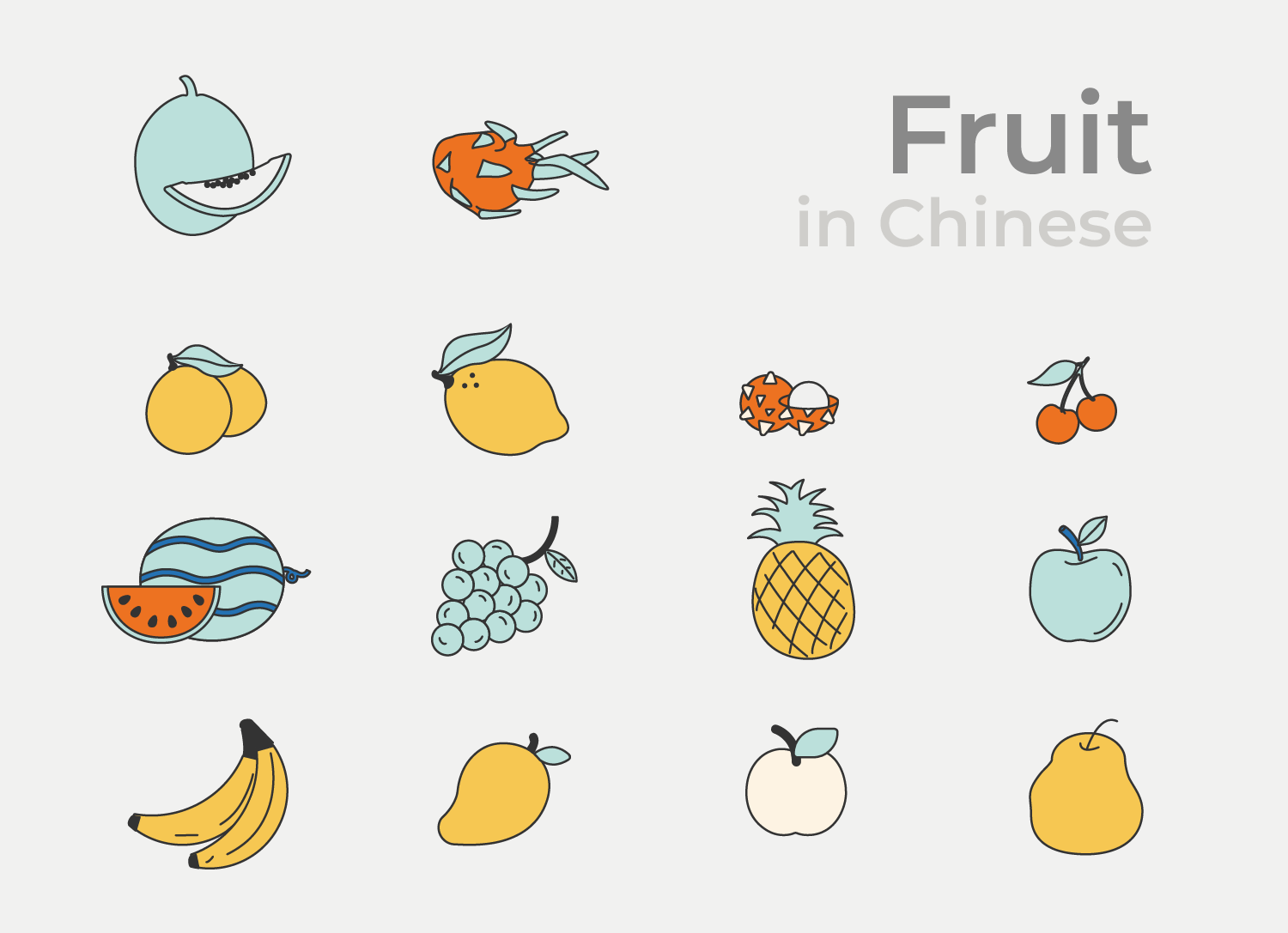
If you’re learning Mandarin, knowing how to talk about everyday foods is a great place to start. One of the most useful words to learn is 水果 (shuǐguǒ), which means “fruit” in Chinese.
Whether you’re shopping at a fruit market, ordering food, talking about your favourite snacks or simply making conversation, knowing common fruit names in Chinese can help you communicate more naturally.
From 苹果 (píngguǒ), meaning apple, to 西瓜 (xīguā), meaning watermelon, many common fruits are easy to add to your everyday Mandarin vocabulary.
In this guide, you’ll learn the names of common fruits in Chinese, together with simplified Chinese characters, pinyin, pronunciation and example sentences. We’ll also cover useful phrases for talking about your favourite fruits, describing their taste and buying fruit in China.
Key Takeaways
-
水果 (shuǐguǒ) means “fruit” in Mandarin Chinese.
-
Common fruit names include 苹果 (píngguǒ) for apple, 香蕉 (xiāngjiāo) for banana and 西瓜 (xīguā) for watermelon.
-
Learning fruit vocabulary can help you communicate in markets, supermarkets and restaurants.
-
Simple sentence patterns such as 我喜欢吃… (Wǒ xǐhuan chī…) let you immediately use fruit vocabulary in conversation.
-
Chinese uses measure words when talking about quantities of fruit.
-
Learning a few descriptive words such as 甜 (tián), “sweet,” and 酸 (suān), “sour,” can help you have more natural conversations about food.
How Do You Say “Fruit” in Chinese?
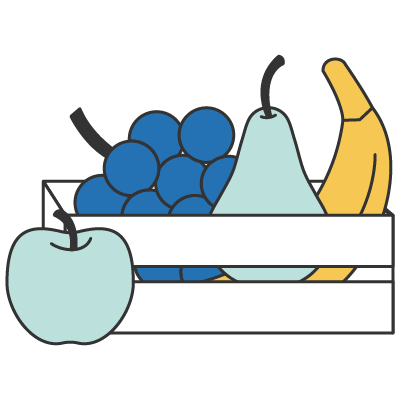
The word for fruit in Chinese is 水果 (shuǐguǒ).
水果
shuǐguǒ
fruit
The word 水果 is a general term for fruit, so you can use it when talking about fruit as a category rather than a specific type.
For example:
我喜欢吃水果。
Wǒ xǐhuan chī shuǐguǒ.
I like eating fruit.
You can also ask someone:
你喜欢吃什么水果?
Nǐ xǐhuan chī shénme shuǐguǒ?
What fruit do you like to eat?
This sentence is particularly useful because you can replace 什么水果 (shénme shuǐguǒ) with the name of a specific fruit.
For example:
我喜欢吃苹果。
Wǒ xǐhuan chī píngguǒ.
I like eating apples.
Here, 苹果 (píngguǒ) means “apple.”
Once you know the basic structure 我喜欢吃… (Wǒ xǐhuan chī…), you can use it with almost any fruit you learn.
Fruit Names in Chinese
Now that you know 水果 (shuǐguǒ) means “fruit,” it’s time to learn the names of some of the most common fruits in Mandarin.
The table below gives you the English name, simplified Chinese, pinyin, approximate pronunciation and an example sentence you can use in everyday conversation.
| english | simplified chinese | pinyin | approximate pronunciation | example sentence |
|---|---|---|---|---|
| apple | 苹果 | píngguǒ | ping-gwoh | 我喜欢吃苹果。 Wǒ xǐhuan chī píngguǒ. I like eating apples. |
| banana | 香蕉 | xiāngjiāo | shyahng-jyaow | 香蕉很好吃。 Xiāngjiāo hěn hǎochī. Bananas taste good. |
| orange | 橙子 | chéngzi | chung-dzuh | 我买了几个橙子。 Wǒ mǎi le jǐ ge chéngzi. I bought a few oranges. |
| watermelon | 西瓜 | xīguā | shee-gwah | 夏天我喜欢吃西瓜。 Xiàtiān wǒ xǐhuan chī xīguā. I like eating watermelon in summer. |
| grape | 葡萄 | pútao | poo-taow | 这些葡萄很甜。 Zhèxiē pútao hěn tián. These grapes are very sweet. |
| strawberry | 草莓 | cǎoméi | tsow-may | 我喜欢草莓。 Wǒ xǐhuan cǎoméi. I like strawberries. |
| mango | 芒果 | mángguǒ | mahng-gwoh | 芒果很甜。 Mángguǒ hěn tián. Mangoes are very sweet. |
| peach | 桃子 | táozi | taow-dzuh | 这个桃子很甜。 Zhège táozi hěn tián. This peach is very sweet. |
| pear | 梨 | lí | lee | 我喜欢吃梨。 Wǒ xǐhuan chī lí. I like eating pears. |
| pineapple | 菠萝 | bōluó | bwoh-lwaw | 菠萝很好吃。 Bōluó hěn hǎochī. Pineapple tastes good. |
| lemon | 柠檬 | níngméng | neeng-mung | 我喜欢喝柠檬水。 Wǒ xǐhuan hē níngméngshuǐ. I like drinking lemon water. |
| cherry | 樱桃 | yīngtáo | ying-taow | 樱桃很甜。 Yīngtáo hěn tián. Cherries are very sweet. |
| blueberry | 蓝莓 | lánméi | lan-may | 我早餐吃蓝莓。 Wǒ zǎocān chī lánméi. I eat blueberries for breakfast. |
| coconut | 椰子 | yēzi | yeh-dzuh | 我喜欢椰子水。 Wǒ xǐhuan yēzi shuǐ. I like coconut water. |
| kiwi | 猕猴桃 | míhóutáo | mee-hoh-taow | 猕猴桃很好吃。 Míhóutáo hěn hǎochī. Kiwi tastes good. |
| papaya | 木瓜 | mùguā | moo-gwah | 木瓜很甜。 Mùguā hěn tián. Papaya is very sweet. |
| pomegranate | 石榴 | shíliu | shir-lyoh | 石榴很好吃。 Shíliu hěn hǎochī. Pomegranate tastes good. |
| durian | 榴莲 | liúlián | lyo-lyen | 榴莲的味道很特别。 Liúlián de wèidào hěn tèbié. Durian has a very distinctive taste. |
| dragon fruit | 火龙果 | huǒlóngguǒ | hwaw-lohng-gwoh | 火龙果很甜。 Huǒlóngguǒ hěn tián. Dragon fruit is very sweet. |
| lychee | 荔枝 | lìzhī | lee-jir | 荔枝很甜。 Lìzhī hěn tián. Lychees are very sweet. |

A Note on Pronunciation
The pronunciation column is only an approximate English guide. For accurate Mandarin pronunciation, use the pinyin with tone marks rather than relying on English spelling.
For example:
苹果 — píngguǒ
The tones are an important part of Mandarin pronunciation, so listening to a native speaker and practising the tones is much more reliable than trying to reproduce the word from an English approximation alone.

How to Say “I Like…” With Fruit in Chinese
One of the easiest ways to turn your new fruit vocabulary into real Mandarin is to learn a simple sentence pattern:
我喜欢吃 + fruit
Wǒ xǐhuan chī + fruit
I like eating + fruit.
For example:
我喜欢吃苹果。
Wǒ xǐhuan chī píngguǒ.
I like eating apples.
我喜欢吃香蕉。
Wǒ xǐhuan chī xiāngjiāo.
I like eating bananas.
You can also mention more than one fruit:
我喜欢吃芒果和草莓。
Wǒ xǐhuan chī mángguǒ hé cǎoméi.
I like eating mangoes and strawberries.
Here, 和 (hé) means “and.”

How to Say “I Don’t Like…”
To make the sentence negative, use 不 (bù):
我不喜欢吃榴莲。
Wǒ bù xǐhuan chī liúlián.
I don’t like eating durian.
You can use this same structure with almost any fruit:
我喜欢吃 + fruit = I like eating + fruit
我不喜欢吃 + fruit = I don’t like eating + fruit
This simple pattern is useful well beyond fruit vocabulary. Once you learn it, you can use it to talk about many different foods in Mandarin.
How to Ask Someone What Fruit They Like
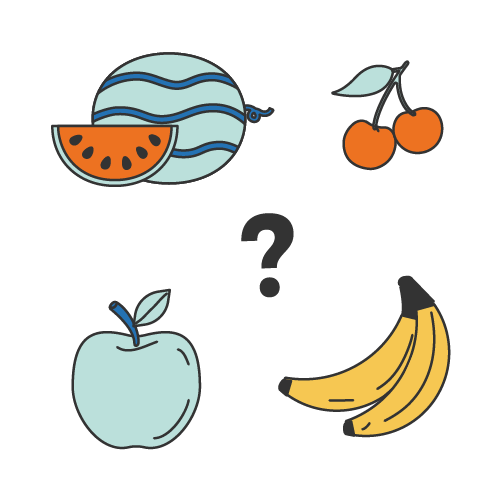
Once you know a few fruit names, you can use them to have simple conversations in Mandarin.
A very useful question is:
你喜欢吃什么水果?
Nǐ xǐhuan chī shénme shuǐguǒ?
What fruit do you like to eat?
Let’s break it down:
- 你 (nǐ) — you
- 喜欢 (xǐhuan) — like
- 吃 (chī) — eat
- 什么 (shénme) — what
- 水果 (shuǐguǒ) — fruit
You can answer with:
我喜欢吃苹果。
Wǒ xǐhuan chī píngguǒ.
I like eating apples.
Or:
我喜欢吃西瓜。
Wǒ xǐhuan chī xīguā.
I like eating watermelon.
You can replace the fruit name with almost any fruit you know. This way, you can easily ask and answer questions about food in Mandarin!
Asking About a Specific Fruit
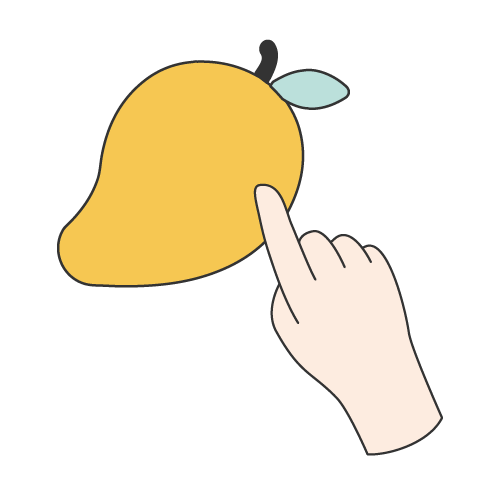
You can also ask whether someone likes a particular fruit by adding 吗 (ma) to the end of a statement.
你喜欢吃芒果吗?
Nǐ xǐhuan chī mángguǒ ma?
Do you like mangoes?
Possible answers include:
喜欢!
Xǐhuan!
Yes, I do!
Or:
不喜欢。
Bù xǐhuan.
I don’t.
This is a simple sentence pattern that you can use with almost any fruit name you’ve learned.
How to Say “This Fruit Is Sweet” in Chinese
Once you know the names of different fruits, the next step is learning how to describe them. A few simple adjectives can help you have more natural conversations about food.
甜 (tián) — Sweet
The word 甜 (tián) means “sweet.”
You can use it to describe fruit that has a sweet taste:
这个苹果很甜。
Zhège píngguǒ hěn tián.
This apple is very sweet.
You can also say:
这个芒果很甜。
Zhège mángguǒ hěn tián.
This mango is very sweet.

酸 (suān) — Sour
酸 (suān) means “sour.”
For example:
这个柠檬很酸。
Zhège níngméng hěn suān.
This lemon is very sour.
You can also use 酸 when talking about other fruits that have a sour taste.
好吃 (hǎochī) — Delicious / Tastes Good
好吃 (hǎochī) literally relates to something being good to eat and is commonly used to say that food tastes good or is delicious.
For example:
这个桃子很好吃。
Zhège táozi hěn hǎochī.
This peach is delicious.
新鲜 (xīnxiān) — Fresh
If you’re shopping for fruit, 新鲜 (xīnxiān) is another useful word.
这些水果很新鲜。
Zhèxiē shuǐguǒ hěn xīnxiān.
This fruit is very fresh.
You can combine these words to describe what you’re eating:
这个西瓜很甜,也很新鲜。
Zhège xīguā hěn tián, yě hěn xīnxiān.
This watermelon is very sweet and fresh.
Learning just a few adjectives like 甜, 酸, 好吃 and 新鲜 gives you much more flexibility than simply memorising fruit names.
Fruit Vocabulary for Shopping in China
Knowing fruit names is especially useful when you’re shopping at a supermarket, local market or fruit shop in China. With just a few simple phrases, you can ask about prices, quantities and taste.
How Much Is This?
这个多少钱?
Zhège duōshao qián?
How much is this?
You can point to a particular fruit while asking the question.
How Much Are the Apples?
You can replace 这个 (zhège) with the name of the fruit:
苹果多少钱?
Píngguǒ duōshao qián?
How much are the apples?
I’d Like One Kilogram
If you’re buying fruit by weight, you can say:
我要一公斤。
Wǒ yào yì gōngjīn.
I’d like one kilogram.
You can also specify the fruit:
我要一公斤苹果。
Wǒ yào yì gōngjīn píngguǒ.
I’d like one kilogram of apples.
Can I Try It?
At some fruit markets, you may want to ask whether you can taste something before buying it.
可以尝一下吗?
Kěyǐ cháng yíxià ma?
Can I try it?
Here, 尝 (cháng) means “to taste” or “to try.”
Is It Sweet?
This is another useful question when buying fruit:
甜吗?
Tián ma?
Is it sweet?
You could also ask:
这个甜吗?
Zhège tián ma?
Is this sweet?
With these phrases, you can move beyond simply recognising fruit vocabulary and start using it in a real shopping situation.
How to Talk About Quantities of Fruit in Chinese
When you buy fruit in Chinese, you’ll often need to talk about how many pieces or how much you want. This is where Chinese measure words become useful.
Unlike English, Chinese usually uses a measure word between a number and a noun.
The basic structure is:
Number + Measure Word + Fruit
个 (gè) — General Measure Word
个 (gè) is one of the most common measure words and can be used with many individual fruits.
For example:
一个苹果yí ge píngguǒone apple
三个橙子sān ge chéngzithree oranges
两个桃子liǎng ge táozitwo peaches
串 (chuàn) — A Bunch / Cluster
For grapes, you can use 串 (chuàn) to describe a bunch or cluster:
一串葡萄
yí chuàn pútao
a bunch of grapes
For example:
我要一串葡萄。
Wǒ yào yí chuàn pútao.
I’d like a bunch of grapes.
片 (piàn) — A Slice
When talking about fruit that has been cut into slices, 片 (piàn) can be useful.
For example:
一片西瓜yí piàn xīguāa slice of watermelon
You could say:
我要一片西瓜。Wǒ yào yí piàn xīguā.I’d like a slice of watermelon.
Learning a few basic measure words alongside fruit vocabulary will make your Mandarin sound much more natural when you’re shopping or talking about food.