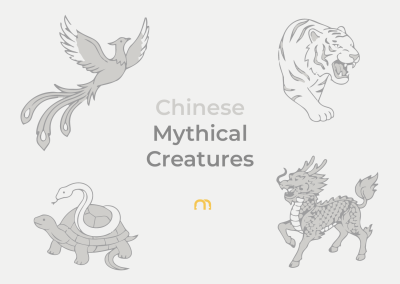
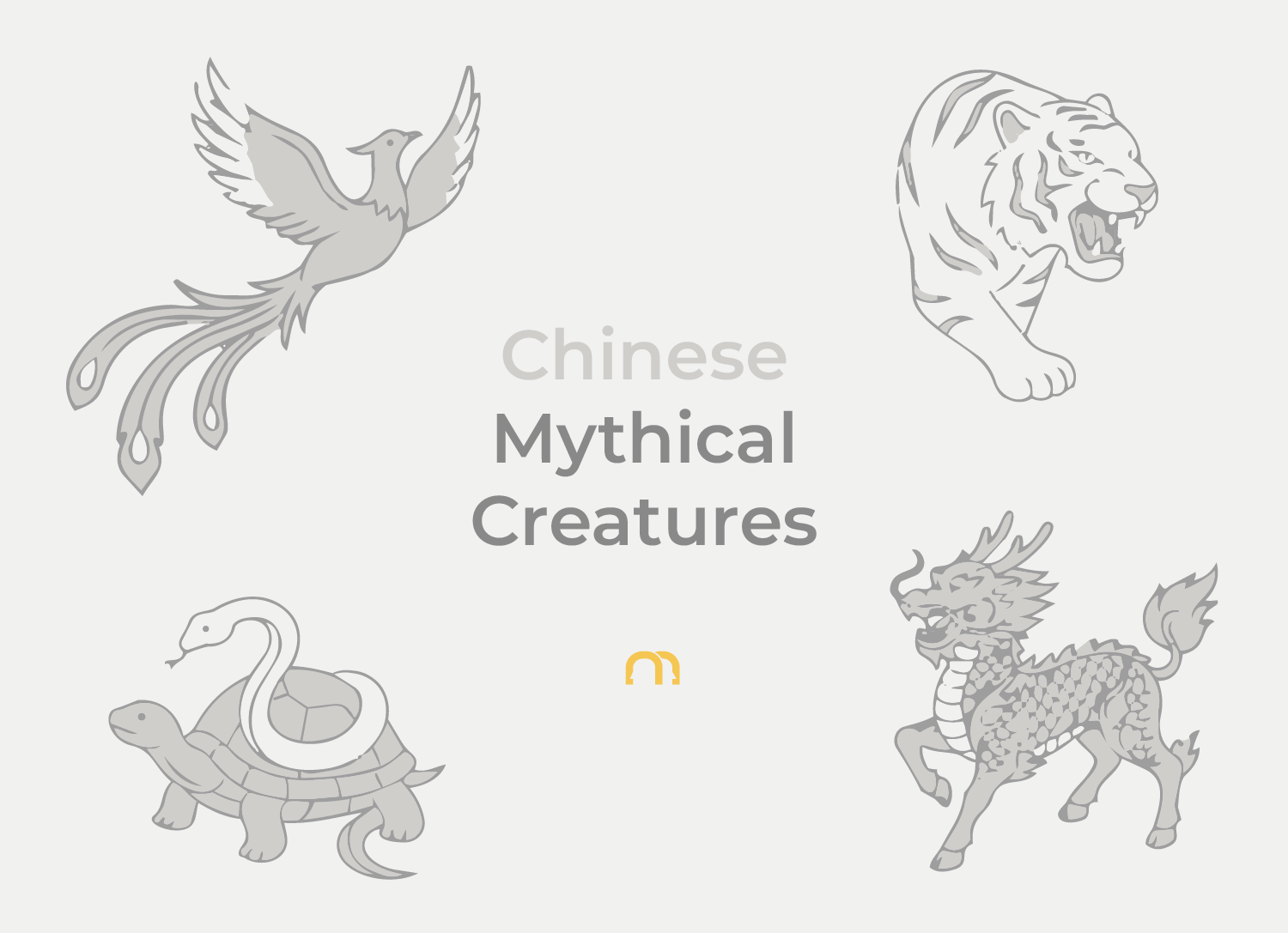
Chinese mythology is filled with fascinating creatures that have captured people’s imagination for thousands of years. From mighty dragons that control the rain to graceful phoenixes that symbolise harmony, these legendary beings appear in ancient myths, traditional festivals, imperial architecture, and Chinese art.
Unlike many mythical creatures in Western folklore, which are often portrayed as dangerous monsters, many Chinese mythical creatures are seen as symbols of wisdom, prosperity, protection, and good fortune. Their stories have been passed down through generations and continue to influence Chinese culture today.
Many of these legendary creatures also appear alongside famous gods, heroes, and myths. If you’d like to explore the stories behind them, read our guide to Chinese Mythology, where we explain the legends, gods, and ancient tales that shaped Chinese culture.
In this guide, we’ll introduce the most famous Chinese mythical creatures, explain what they symbolise, and explore why they remain an important part of Chinese traditions today.
Key Takeaways
-
Chinese mythical creatures are legendary beings that symbolise values such as wisdom, protection, prosperity, harmony, and good fortune.
-
Unlike many Western mythical creatures, Chinese legendary creatures are often seen as benevolent guardians rather than monsters.
-
The Dragon (龙) is the most famous Chinese mythical creature and represents power, strength, and good luck.
-
Other well-known creatures include the Phoenix (凤凰), Qilin (麒麟), White Tiger (白虎), and Black Tortoise (玄武), each with its own unique symbolism and role in Chinese culture.
-
These mythical creatures continue to appear in Chinese festivals, temples, traditional art, architecture, and folklore, making them an enduring part of China’s cultural heritage
What Are Chinese Mythical Creatures?
Chinese mythical creatures are legendary animals and supernatural beings that appear throughout Chinese mythology, folklore, religion, and traditional art. While some are believed to bring good luck and prosperity, others act as guardians, protect sacred places, or represent the natural balance of the universe.
Many of these creatures are closely connected to Chinese beliefs about harmony between heaven, earth, and humanity. Their symbolism has been influenced by traditions such as Taoism, Buddhism, and ancient Chinese folk religion, giving each creature a unique role within Chinese culture.
Unlike the creatures found in many Western myths, Chinese mythical creatures are not simply heroes or villains. Instead, they often represent important virtues such as wisdom, courage, longevity, justice, and peace. Even today, their images can be found in temples, palaces, festivals, artwork, and everyday decorations across China.
Some mythical creatures are also closely connected to important figures in Chinese mythology. For example, dragons are often associated with the Dragon Kings and the Jade Emperor, two of the most well-known deities in Chinese folklore.
神兽
shénshòu
divine/mythical beasts
The Five Most Famous Chinese Mythical Creatures
Chinese mythology features hundreds of legendary creatures, each with its own story, symbolism, and place in Chinese culture. Some are believed to bring good fortune, while others protect the natural world or represent important values such as wisdom, harmony, and strength.
Below are five of the most famous Chinese mythical creatures that continue to appear in Chinese festivals, architecture, literature, and everyday life.
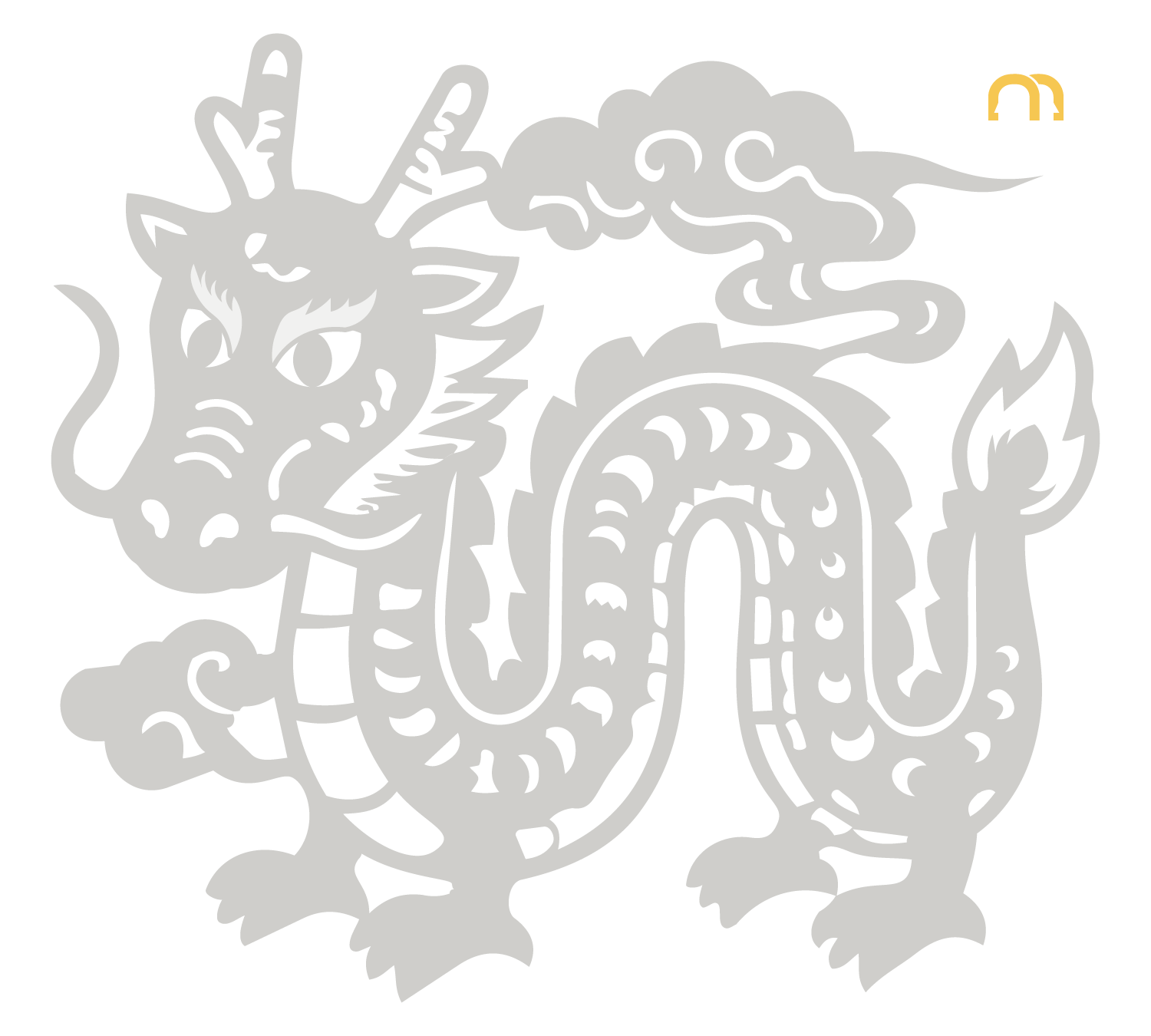
龙 (Lóng) – The Chinese Dragon
The Chinese Dragon (龙, lóng) is undoubtedly the most famous mythical creature in Chinese culture. Unlike the fire-breathing dragons often found in Western fairy tales, the Chinese dragon is a benevolent and powerful creature that symbolises strength, wisdom, prosperity, and good fortune.
龙
lóng
Dragon
For thousands of years, dragons were closely associated with the Chinese emperor, who was regarded as the “Son of Heaven.” The imperial throne was known as the Dragon Throne, and dragon imagery decorated palaces, imperial robes, and official seals. Because of this connection, the dragon became a symbol of authority and leadership throughout Chinese history.
Chinese dragons are also believed to control natural elements, particularly rain, rivers, lakes, and seas. In ancient China, farmers prayed to dragons for rain during times of drought, believing they had the power to ensure good harvests. Today, dragons remain an important symbol during celebrations such as the Chinese New Year, where spectacular Dragon Dances are performed to bring good luck and prosperity for the year ahead.
The dragon is also one of the 12 animals of the Chinese Zodiac and is considered one of the luckiest zodiac signs. People born in the Year of the Dragon are traditionally believed to be confident, ambitious, charismatic, and natural leaders.
If you’re interested in the dragon’s role in the Chinese Zodiac, explore our guides to the Year of the Dragon to learn more about its personality traits, symbolism, and cultural significance.

凤凰 (Fènghuáng) – The Chinese Phoenix
The Chinese Phoenix (凤凰, fènghuáng) is one of the most elegant and respected creatures in Chinese mythology. Often simply called the “Chinese phoenix,” it symbolises peace, harmony, virtue, beauty, and renewal.
凤凰
Fènghuáng
Phoenix
Although it is often compared to the phoenix of Western mythology, the Chinese phoenix is quite different. Rather than being known for rising from its ashes, the fènghuáng represents balance and the arrival of a peaceful and prosperous era. According to traditional belief, it only appears during times of great harmony or under the rule of a wise and virtuous leader.
In traditional Chinese culture, the dragon and phoenix are often shown together. The dragon represents masculine energy (yang), while the phoenix represents feminine energy (yin). Together, they symbolise balance, unity, and a harmonious marriage. For this reason, dragon and phoenix decorations are commonly seen at Chinese weddings, where they represent happiness and good fortune for newlyweds.
The phoenix also appears frequently in Chinese paintings, embroidery, ceramics, and imperial architecture, where it serves as a symbol of grace and nobility.
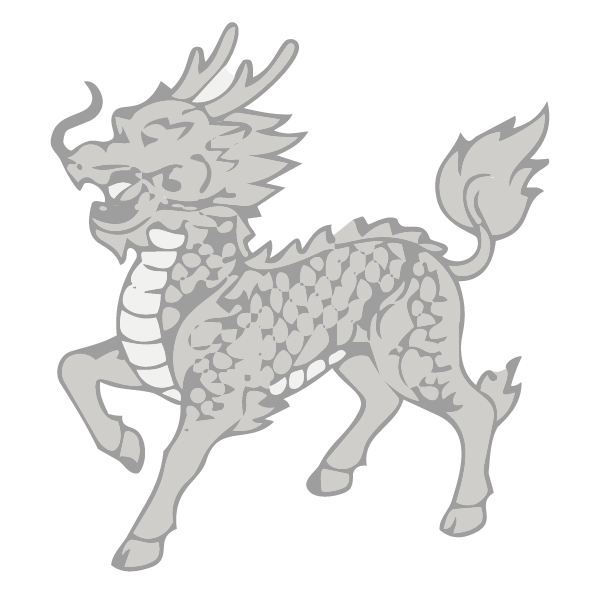
麒麟 (Qílín) – The Qilin
The Qilin (麒麟, qílín) is one of the most gentle and auspicious creatures in Chinese mythology. It is often described as having the body of a deer, the scales of a dragon, the tail of an ox, and hooves like a horse, giving it a unique appearance unlike any real animal.
麒麟
qílín
Qilin
Because of its graceful nature, the Qilin is sometimes compared to the unicorn in Western mythology. However, unlike a unicorn, the Qilin is deeply rooted in Chinese culture and symbolises kindness, wisdom, prosperity, and good fortune. According to legend, the Qilin is so gentle that it walks carefully to avoid harming even the smallest living creature.
The appearance of a Qilin is traditionally believed to signal the birth or arrival of a great leader or wise person. One famous legend even says that a Qilin appeared before the birth of Confucius, one of China’s greatest philosophers, as a sign of the extraordinary life he would lead.
Today, statues of the Qilin can often be found outside temples, government buildings, and historic sites, where they are believed to offer protection and bring blessings to those who visit.

白虎 (Báihǔ) – The White Tiger
The White Tiger (白虎, báihǔ) is one of the Four Symbols of Chinese mythology, a group of celestial guardians that each represent a direction, season, and element. The White Tiger is the guardian of the West and is associated with autumn and the metal element in traditional Chinese philosophy.
白虎
báihǔ
White Tiger
Unlike many mythical creatures that symbolise prosperity or peace, the White Tiger represents strength, courage, justice, and military power. It was believed to protect the land from evil spirits and was often associated with brave warriors and successful generals. Because of its fierce appearance and protective nature, the White Tiger became a powerful symbol of defence and authority throughout Chinese history.
The White Tiger frequently appears in ancient Chinese art, military banners, temples, and traditional Feng Shui, where it is believed to offer protection and maintain balance. Today, it remains one of the most recognisable mythical creatures in Chinese culture and continues to appear in films, video games, and modern artwork inspired by Chinese mythology.

玄武 (Xuánwǔ) – The Black Tortoise
The Black Tortoise (玄武, xuánwǔ) is another of the Four Symbols in Chinese mythology. Rather than being a simple tortoise, it is traditionally depicted as a tortoise entwined with a snake, creating one of the most distinctive mythical creatures in Chinese folklore.
玄武
xuánwǔ
Black Tortoise
The Black Tortoise represents the North, winter, and the water element. It is closely associated with protection, endurance, longevity, and resilience, making it an important guardian figure in Chinese mythology.
Because tortoises have long been seen as symbols of a long life, the Black Tortoise became a symbol of stability and perseverance. In Taoist traditions, it is also regarded as a sacred guardian with strong spiritual significance and is often associated with protection against negative forces.
Images of the Black Tortoise can still be found in temples, traditional architecture, and cultural artwork throughout China. Together with the other Three Symbols, it reflects the importance of balance and harmony in traditional Chinese beliefs.
The Four Symbols of Chinese Mythology
While the Dragon, Phoenix, and Qilin are among the most famous mythical creatures in China, another important group of legendary beings is known as the Four Symbols (四象, Sì Xiàng).
四象
Sì Xiàng
Four Symbols
These four celestial guardians appear in ancient Chinese astronomy, mythology, Taoism, and Feng Shui, where they represent the four cardinal directions and help maintain balance in the universe.
Each guardian is linked to a direction, a season, and one of the Five Elements:
| symbol | chinese | direction | season | element |
|---|---|---|---|---|
| Azure Dragon | 青龙 (Qīnglóng) | East | Spring | Wood |
| White Tiger | 白虎 (Báihǔ) | West | Autumn | Metal |
| Vermilion Bird | 朱雀 (Zhūquè) | South | Summer | Fire |
| Black Tortoise | 玄武 (Xuánwǔ) | North | Winter | Water |
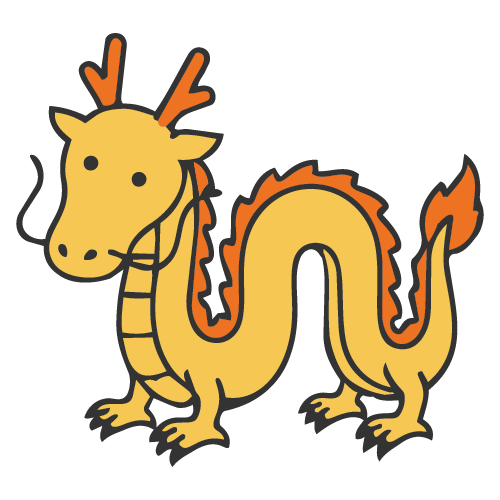
Chinese Dragons vs. Western Dragons: What’s the Difference?
Although they share the same name, Chinese dragons and Western dragons are very different in appearance, symbolism, and the roles they play in mythology.
In many Western legends, dragons are portrayed as fierce creatures that breathe fire, guard treasure, and must be defeated by heroes. They are often seen as dangerous monsters that represent chaos or evil.
In contrast, the Chinese dragon is one of the most respected and auspicious creatures in Chinese culture. Rather than being feared, it is admired as a symbol of wisdom, strength, prosperity, and good fortune. Chinese dragons are believed to control rain, rivers, lakes, and seas, making them closely connected to agriculture and the natural world.
The differences between the two traditions reflect broader cultural values. While Western myths often focus on heroes overcoming monsters, Chinese mythology emphasises harmony between humans, nature, and the heavens.
| chinese dragon | >western dragon |
|---|---|
| Symbol of good luck and prosperity | Often symbolises danger or evil |
| Associated with wisdom and harmony | Often portrayed as destructive |
| Controls rain and water | Commonly breathes fire |
| Connected to emperors and imperial power | Often guards treasure or castles |
| Celebrated during festivals | Usually defeated by heroes in legends |
Where Can You See Chinese Mythical Creatures Today?
Although these legendary creatures originated thousands of years ago, they remain an important part of everyday life in China. From ancient temples to modern celebrations, their symbolism continues to shape Chinese art, architecture, traditions, and popular culture.
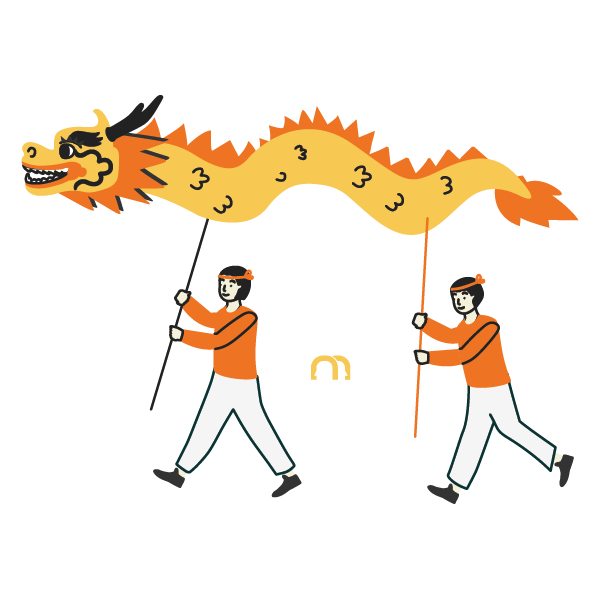
Chinese Festivals
Many mythical creatures take centre stage during traditional Chinese festivals. During Chinese New Year, dragon dances are performed to bring good luck, drive away evil spirits, and welcome a prosperous new year. Phoenix imagery is also commonly used in festive decorations and traditional artwork as a symbol of harmony and happiness.

Temples and Historic Landmarks
Visitors to China will often spot mythical creatures decorating temples, palaces, bridges, and historic buildings. Stone dragons, qilin statues, and other legendary guardians are believed to protect important places from misfortune. Famous landmarks such as the Forbidden City feature intricate dragon carvings and imperial symbols throughout their architecture.

Traditional Art and Crafts
Chinese mythical creatures have inspired artists for centuries. They appear on porcelain, silk embroidery, paintings, jade carvings, paper cuttings, and calligraphy. Their symbolic meanings make them popular decorative motifs that are still widely used today.

Modern Pop Culture
Chinese mythical creatures continue to thrive in modern entertainment. They appear in films, television series, novels, video games, and animated movies, introducing these ancient legends to new generations around the world. Their timeless symbolism has helped keep Chinese mythology relevant in the modern era.
Why Do Chinese Mythical Creatures Still Matter Today?
Chinese mythical creatures are much more than fascinating legends; they are living symbols of China’s history, beliefs, and cultural identity. For thousands of years, they have represented values such as courage, wisdom, prosperity, balance, and protection, and those meanings continue to resonate today.
Whether you’re watching a dragon dance during Chinese New Year, visiting a historic temple decorated with stone guardians, or admiring traditional Chinese artwork, you’ll encounter these legendary creatures throughout China. They provide a unique window into the country’s rich mythology and help explain many of the customs and traditions that are still celebrated today.
Learning about Chinese mythical creatures is also a great way to deepen your understanding of Chinese culture and language. Many of these legendary beings appear in idioms, literature, festivals, and everyday conversations, making them an important part of cultural learning.
Useful Chinese Vocabulary
Learning a few key Chinese words can help you better understand Chinese mythology and the legendary creatures that appear throughout Chinese culture.
| chinese | pinyin | english |
|---|---|---|
| 神话 | shénhuà | Mythology |
| 神兽 | shénshòu | Mythical creature / Divine beast |
| 龙 | lóng | Dragon |
| 凤凰 | fènghuáng | Phoenix |
| 麒麟 | qílín | Qilin |
| 白虎 | báihǔ | White Tiger |
| 玄武 | xuánwǔ | Black Tortoise |
| 吉祥 | jíxiáng | Good fortune / Auspicious |
| 好运 | hǎoyùn | Good luck |
| 守护 | shǒuhù | To protect / Guardian |
Frequently Asked Questions
What are Chinese mythical creatures?
What is the most famous Chinese mythical creature?
What does the Chinese dragon symbolise?
Is the Chinese dragon different from the Western dragon?
What is a Qilin?
What does the Chinese phoenix represent?
What are the Four Symbols in Chinese mythology?
The Four Symbols are four celestial guardians in Chinese mythology:
-
Azure Dragon (East)
-
White Tiger (West)
-
Vermilion Bird (South)
-
Black Tortoise (North)
Each represents a cardinal direction, a season, and one of the Five Elements.