Chinese mythology is one of the world’s oldest mythological traditions, with stories dating back thousands of years. These ancient legends explain how the world was created, introduce powerful gods and legendary heroes, and reveal the beliefs that have shaped Chinese culture for generations.
Unlike many mythologies, Chinese mythology is closely connected with history, philosophy and religion. Influenced by Taoism, Buddhism and traditional folk beliefs, its stories continue to inspire festivals, literature, art and popular culture throughout China and beyond.
From the creation myths of Pangu and Nüwa to the legends of Chang’e and Hou Yi, these stories remain an important part of Chinese cultural identity. Today, they continue to reach new audiences through films, television series and video games inspired by China’s rich mythological heritage.
In this guide, you’ll discover the origins of Chinese mythology, some of its most famous gods and legends, and why these ancient stories remain relevant today.
Key Takeaways
-
Chinese mythology dates back more than 4,000 years
-
It combines folklore, history, Taoism, Buddhism and traditional beliefs
-
Famous myths explain the creation of the world, legendary heroes and the origins of important festivals
-
Many mythological figures, including Pangu, Nüwa and the Jade Emperor, remain important cultural symbols
-
Chinese mythology continues to influence modern films, books, art and popular culture
What Is Chinese Mythology?
Chinese mythology is a collection of traditional stories that explain the origins of the world, natural phenomena, cultural traditions and legendary heroes. These myths were passed down through oral storytelling for centuries before being recorded in classical Chinese texts.
Unlike a single religion, Chinese mythology combines ideas from folk beliefs, Taoism, Buddhism and Confucianism. As a result, many stories mix gods, immortals, historical figures and moral lessons, creating a rich tradition that has evolved over thousands of years.
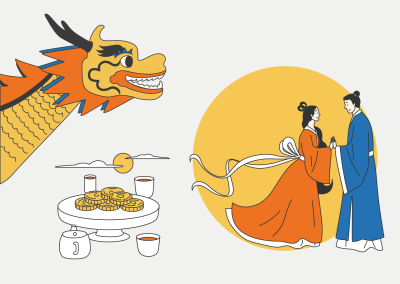
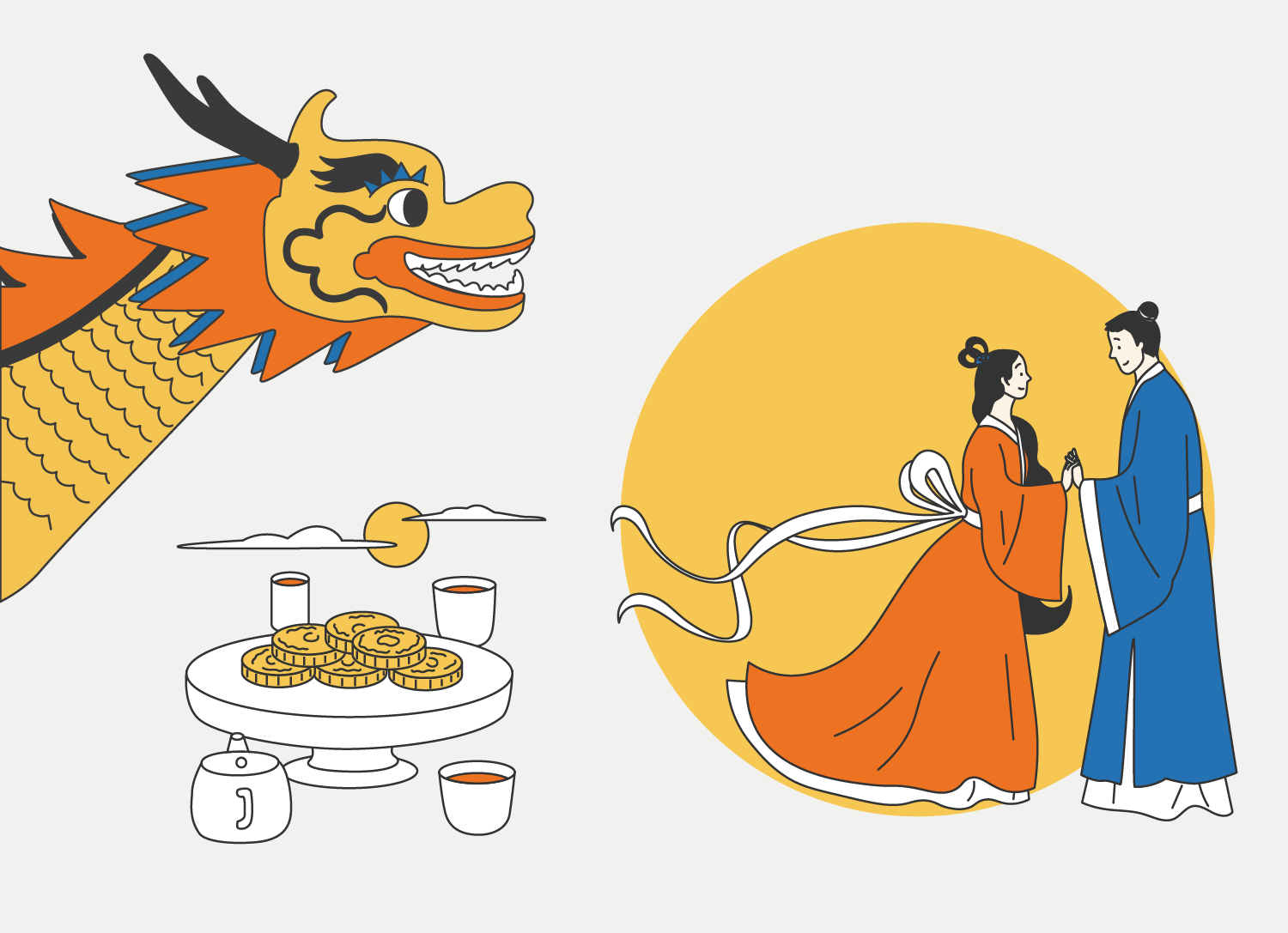
Today, Chinese mythology continues to shape festivals, literature, art and everyday culture. Whether it’s the legend of Chang’e during the Mid-Autumn Festival or dragon dances at Chinese New Year, these ancient stories remain an important part of life in China
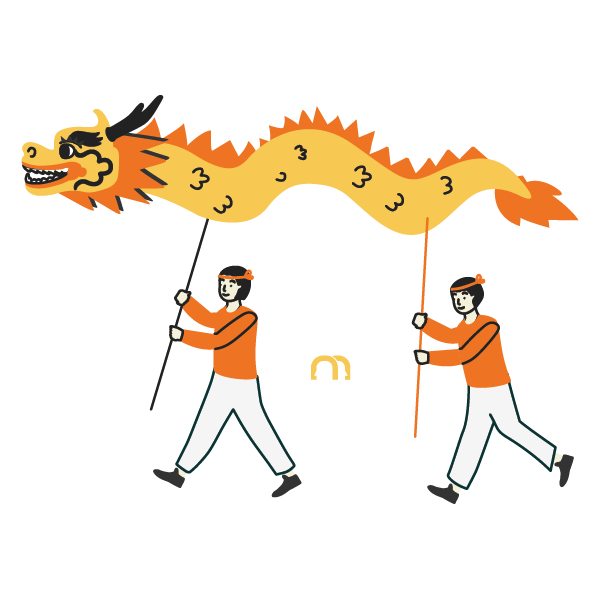
中国神话
Zhōngguó shénhuà
Chinese mythology
The Origins of Chinese Mythology
The origins of Chinese mythology date back more than 4,000 years. Long before China’s earliest historical records were written, stories were passed down orally to explain the creation of the world, natural disasters, changing seasons and the origins of humanity.
Over time, these stories evolved as different regions developed their own legends, gods and heroes. As Chinese civilisation grew, many myths were eventually recorded in classical texts, preserving them for future generations. Unlike Greek or Norse mythology, Chinese mythology has no single source, but instead draws from centuries of folklore, religion and philosophy.
Some of the most important works that preserve these ancient stories include:
- Classic of Mountains and Seas (山海经, Shānhǎijīng) – A collection of myths, geography and legendary creatures.
- Journey to the West (西游记, Xīyóujì) – One of China’s Four Great Classical Novels, featuring the Monkey King, Sun Wukong.
- Investiture of the Gods (封神演义, Fēngshén Yǎnyì) – A famous novel about gods, immortals and legendary battles.
Together, these works have helped shape how Chinese mythology is understood today.
Famous Chinese Gods
Chinese mythology features a vast pantheon of gods, goddesses and immortal beings. Some are believed to rule Heaven, others created humanity, while many are associated with compassion, wisdom or protection.
Below are some of the most important figures. If you’d like to explore them in more detail, read our complete guide to Chinese Gods Explained.
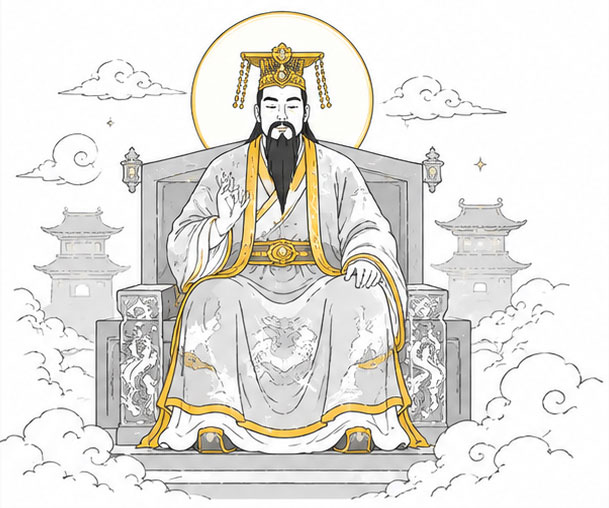
The Jade Emperor (玉皇大帝)
The Jade Emperor is regarded as the ruler of Heaven and one of the highest deities in Chinese mythology. He governs the heavenly court, oversees the gods and is often portrayed as a wise and just ruler.
玉皇大帝
Yùhuáng Dàdì
the Jade Emperor (supreme ruler of Heaven in Taoism)
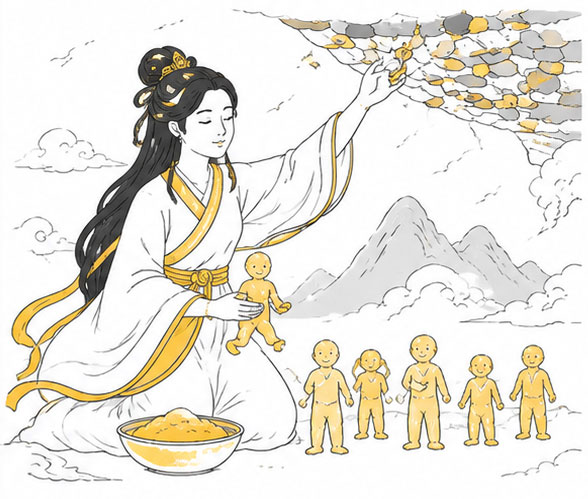
Nüwa (女娲)
Nüwa is the creator goddess who, according to legend, made the first humans from yellow clay. She is also famous for repairing the sky with five-coloured stones after a great catastrophe.
女娲
Nǚwā
Nüwa (creator of humans in Chinese mythology)
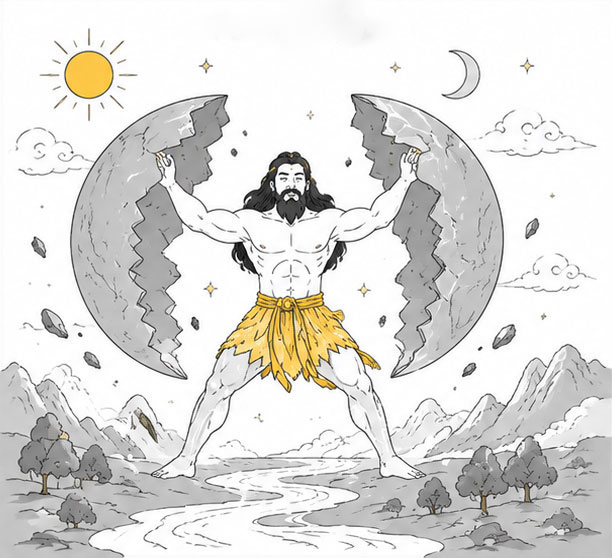
Pangu (盘古)
According to one of China’s best-known creation myths, Pangu separated Heaven and Earth after emerging from a giant cosmic egg. His body later became the mountains, rivers, Sun and Moon, giving life to the world.
盘古
Pángǔ
Pangu (creator of the universe in Chinese mythology)
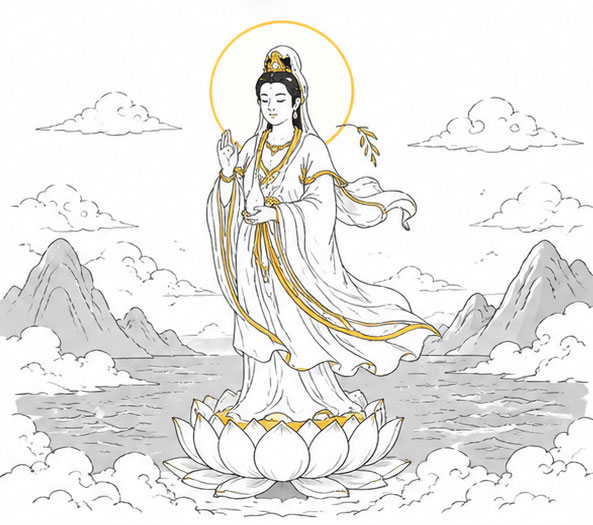
Guanyin (观音)
Although originating from Buddhism, Guanyin has become one of the most beloved figures in Chinese mythology. Known as the Goddess of Mercy, she symbolises compassion and is worshipped throughout China.
观音
Guānyīn
Guanyin, the Bodhisattva of Compassion or Goddess of Mercy (Sanskrit Avalokiteśvara)
Famous Chinese Mythology Stories
Chinese mythology is filled with stories that explain the creation of the world, celebrate legendary heroes and teach important moral lessons. Many of these myths are still told today and continue to inspire festivals, literature and modern entertainment.
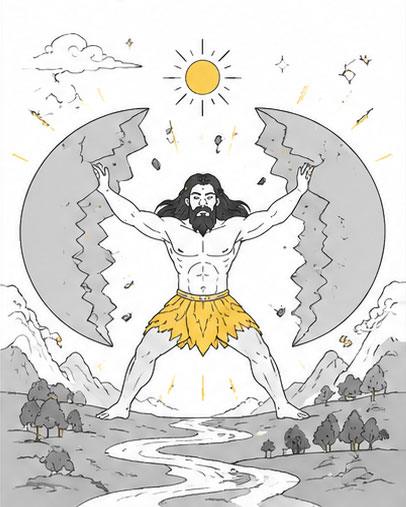
Pangu Creates the World
According to legend, the universe began as a giant cosmic egg filled with chaos. After sleeping inside it for thousands of years, Pangu awoke and split the egg apart, creating Heaven and Earth. When he died, his body transformed into the mountains, rivers, Sun, Moon and other features of the natural world.
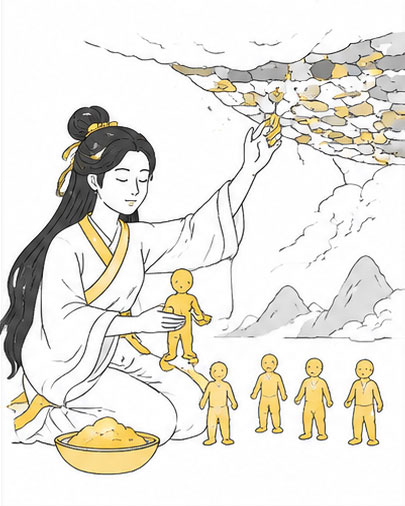
Nüwa Creates Humanity
The goddess Nüwa is said to have created the first humans by shaping yellow clay into people. Another famous legend tells how she repaired the sky with five-coloured stones after it was damaged, saving the world from destruction.
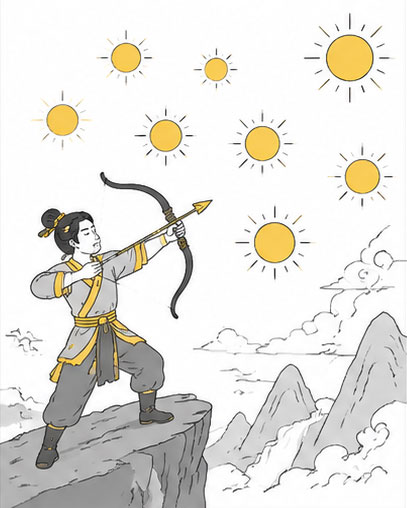
Hou Yi Shoots Down the Nine Suns
Chinese mythology tells of a time when ten suns rose into the sky at once, scorching the Earth. The legendary archer Hou Yi shot down nine of them, leaving only one to provide light and warmth. His bravery restored balance to the world.
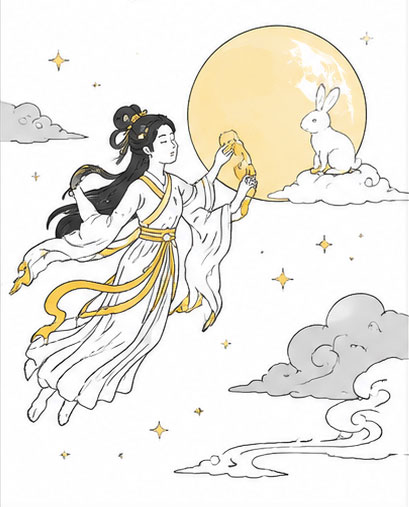
Chang’e Flies to the Moon
The legend of Chang’e tells the story of Hou Yi’s wife, who drank an elixir of immortality and floated to the Moon, where she lives with the Jade Rabbit. Her story is celebrated every year during the Mid-Autumn Festival.
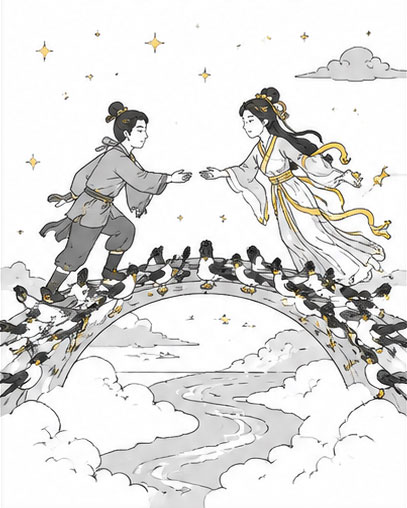
The Cowherd and the Weaver Girl
One of China’s best-known love stories tells of a heavenly weaver girl and a mortal cowherd who were separated by the Milky Way. Once each year, magpies form a bridge allowing the couple to reunite. Their story is celebrated during the Qixi Festival, often called Chinese Valentine’s Day.
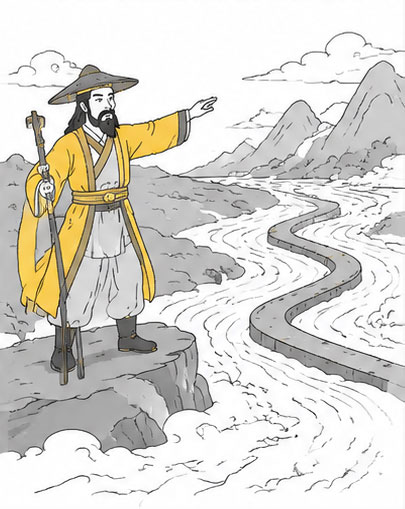
Yu the Great Controls the Flood
According to legend, Yu the Great spent thirteen years controlling devastating floods by creating canals and waterways rather than trying to block the water. His determination made him one of China’s greatest legendary rulers and a symbol of perseverance.
Chinese Mythology in Traditional Festivals
Chinese mythology isn’t just found in ancient books—it remains an important part of many of China’s most celebrated festivals. Legends passed down over thousands of years continue to shape traditions, customs and celebrations that are observed by millions of people each year.
Here are some of the best-known festivals inspired by Chinese mythology.
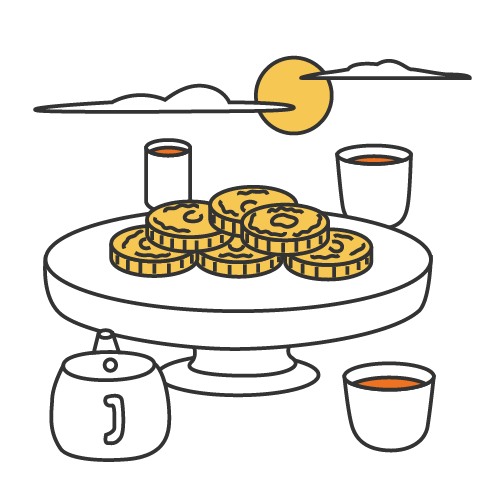
Mid-Autumn Festival
The Mid-Autumn Festival is closely connected to the legend of Chang’e, the Moon Goddess.
According to the story, Chang’e drank an elixir of immortality and floated to the Moon, where she has lived ever since. Every year, families celebrate by admiring the full moon, eating mooncakes and remembering one of China’s most famous myths.
Dragon Boat Festival
The Dragon Boat Festival commemorates the patriotic poet Qu Yuan, who drowned himself after witnessing the decline of his kingdom.
According to tradition, local people raced out in boats to save him and threw rice into the river to prevent fish from eating his body. Today, dragon boat races and zongzi (sticky rice dumplings) remain central to the festival.
Although Qu Yuan is a legendary historical figure rather than a mythological god, his story has become an important part of Chinese folklore and cultural tradition.
Qixi Festival
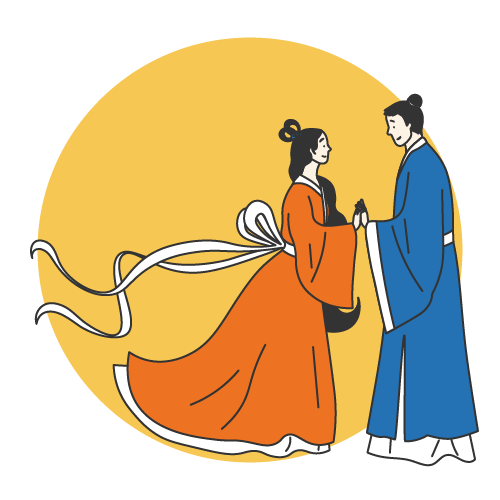
Often called Chinese Valentine’s Day, the Qixi Festival celebrates the legend of the Cowherd and the Weaver Girl.
According to mythology, the lovers were separated by the Milky Way and allowed to reunite only once each year when a flock of magpies formed a bridge across the sky. Their story has become one of China’s best-known romantic legends and continues to inspire poems, artwork and festival celebrations.
The Lunar New Year is also celebrated through the Chinese zodiac, with each year represented by one of twelve animals. Discover what each zodiac sign means and the traditions behind this ancient system in our guide to the 12 Chinese Animal Zodiacs.
Chinese Mythology in Modern Culture
Although many myths originated thousands of years ago, Chinese mythology continues to influence modern entertainment and popular culture around the world.
Classic stories have been adapted into countless films, television dramas, novels, comics and video games, introducing legendary characters to new generations of audiences.
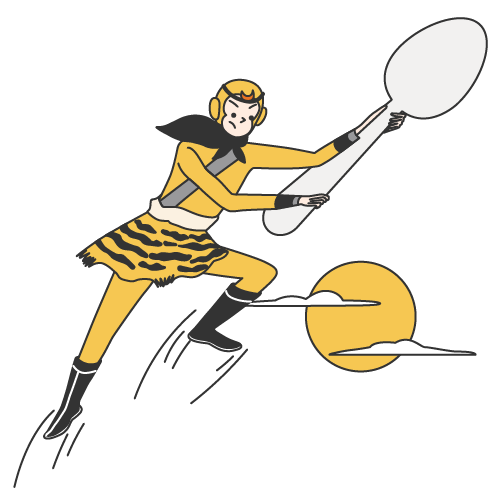
One of the most famous examples is Journey to the West, whose mischievous hero Sun Wukong, the Monkey King, has inspired countless adaptations. More recently, films such as Ne Zha and the hit video game Black Myth: Wukong have brought Chinese mythology to an international audience.
Beyond entertainment, mythology continues to influence Chinese art, architecture, festivals and everyday symbolism. Dragons, phoenixes and other legendary figures remain popular motifs in traditional decorations, temples and celebrations, demonstrating how these ancient stories continue to shape Chinese culture today.
Why Chinese Mythology Still Matters Today
Chinese mythology offers more than fascinating stories; it provides valuable insight into China’s history, beliefs and cultural traditions. Many myths explore themes such as courage, compassion, perseverance and harmony with nature, values that continue to resonate in modern Chinese society.
Whether you’re celebrating a traditional festival, visiting historic temples or exploring famous landmarks such as the Great Wall of China, understanding these legends helps you appreciate the cultural meanings behind many of China’s customs and symbols. While the Great Wall is best known for its history, it also reflects centuries of Chinese beliefs, traditions and cultural identity.
Learn Chinese Through Chinese Mythology
Exploring Chinese mythology is a great way to deepen your understanding of both the Chinese language and culture. Many myths introduce important historical figures, traditional values and vocabulary that still appear in everyday Mandarin.
Useful Chinese Mythology Vocabulary
| chinese | pinyin | english |
|---|---|---|
| 神话 | shénhuà | Mythology |
| 神 | shén | God / Deity |
| 传说 | chuánshuō | Legend |
| 龙 | lóng | Dragon |
| 英雄 | yīngxióng | Hero |
| 天 | tiān | Heaven |
| 女神 | nǚshén | Goddess |
| 神仙 | shénxiān | Immortal |
Frequently Asked Questions
What is Chinese mythology?
How old is Chinese mythology?
Chinese mythology dates back more than 4,000 years. Many stories were originally passed down through oral tradition before being recorded in ancient texts such as the Classic of Mountains and Seas (山海经).
Who are the most famous Chinese gods?
Some of the best-known figures in Chinese mythology include:
-
The Jade Emperor (玉皇大帝)
-
Nüwa (女娲)
-
Pangu (盘古)
-
Guanyin (观音)
-
Sun Wukong (孙悟空)
-
Nezha (哪吒)
Each plays an important role in Chinese myths, folklore and religious traditions.
What are the most famous Chinese mythology stories?
Some of the best-known Chinese myths include:
- Pangu Creates the World
- Nüwa Creates Humanity
- Hou Yi Shoots Down the Nine Suns
- Chang’e Flies to the Moon
- The Cowherd and the Weaver Girl
- Yu the Great Controls the Flood
These stories continue to inspire festivals, literature and popular culture.
What is the oldest book about Chinese mythology?
Is Chinese mythology connected to Taoism?
What is the difference between Chinese mythology and Chinese folklore?
Why is Chinese mythology still important today?
What festivals are inspired by Chinese mythology?
Several major Chinese festivals have mythological origins, including:
- Chinese New Year – the legend of the Nian monster
- Mid-Autumn Festival – the story of Chang’e and the Moon
- Qixi Festival – the legend of the Cowherd and the Weaver Girl
- Dragon Boat Festival – the story of Qu Yuan
These festivals help keep China’s ancient myths alive for new generations.