

Chinese superstitions have been passed down through generations for thousands of years and continue to influence everyday life across China today. From choosing a wedding date and buying a new home to selecting a phone number or giving a gift, many traditional beliefs are still woven into modern Chinese culture.
Unlike some superstitions found elsewhere, many Chinese superstitions are closely connected to the Chinese language. The pronunciation of certain words and numbers often determines whether they are considered lucky or unlucky. Symbolism, traditional philosophy, and historical customs also play an important role.
For example, the number 8 is widely associated with wealth and prosperity because it sounds similar to the Chinese word for “to become rich”. In contrast, the number 4 is often avoided because its pronunciation closely resembles the word for “death”. Likewise, the color red symbolizes happiness and good fortune, while white is traditionally linked with mourning.
It’s important to remember that not everyone in China believes these traditions in the same way. For some people, they are genuine beliefs, while for others they are simply cultural customs that have been passed down through generations. Regardless, they remain an important part of Chinese culture and can help explain everything from gift-giving etiquette to business decisions and festival traditions.
In this guide, we’ll explore the most common Chinese superstitions, explain the meaning behind lucky numbers and colous, and discover how these traditions continue to shape life in modern China.
Key Takeaways
-
Many Chinese superstitions are based on the pronunciation of words and numbers in the Chinese language.
-
The number 8 is considered lucky because it sounds similar to the word for wealth and prosperity.
-
The number 4 is widely regarded as unlucky because it sounds similar to the word for death.
-
Red is the luckiest color in Chinese culture, while white is traditionally associated with funerals and mourning.
-
Although beliefs vary from person to person, many traditional superstitions continue to influence daily life, business, festivals, and gift-giving in China.
What Are Chinese Superstitions?
Chinese superstitions are traditional beliefs that associate certain numbers, colors, objects, animals, dates, or actions with either good or bad fortune. Many of these customs have been passed down for centuries and continue to influence Chinese culture today.
Unlike religious beliefs, Chinese superstitions are largely rooted in language, symbolism, history, and traditional philosophy. Some originate from ancient folk traditions, while others are influenced by ideas from Taoism, Buddhism, and feng shui. Together, they have shaped customs that are still recognized across many Chinese-speaking communities.
One of the most distinctive features of Chinese superstitions is the importance of homophones, words that sound alike but have different meanings. Because Mandarin and other Chinese languages contain many similar-sounding words, numbers and objects are often associated with either positive or negative meanings based on their pronunciation.
For example, people may choose a phone number containing several eights because it symbolizes prosperity, while avoiding an address with multiple fours because of its association with death. Likewise, gifts, flowers, and colors may be carefully chosen to express good wishes or to avoid sending the wrong message.

迷信
míxīn
superstitions
Why Are Numbers So Important in Chinese Culture?
If you’ve ever wondered why certain numbers are considered lucky or unlucky in China, the answer lies largely in the Chinese language.
Chinese contains many homophones, words that have the same or a very similar pronunciation but different meanings. Over time, people began associating certain numbers with positive or negative words that sound similar, giving those numbers symbolic meanings.
This is why numbers often influence important decisions. People may pay extra for a lucky phone number, choose an auspicious wedding date, or avoid buying a flat with an unlucky house number. Businesses may even select opening dates based on favourable numbers to attract prosperity and good fortune.
Although these beliefs are not universal, the symbolism of numbers remains deeply embedded in Chinese culture and is something visitors to China are likely to notice. Understanding these meanings also provides useful insight into the Chinese language, where pronunciation often carries cultural significance beyond the words themselves.
Let’s take a closer look at the numbers that are traditionally considered the luckiest and unluckiest in Chinese culture.
Chinese Lucky Numbers
In Chinese culture, some numbers are believed to bring good fortune, prosperity, happiness, or longevity. These associations usually come from the way the numbers are pronounced, with certain numbers sounding similar to positive words or phrases.
As a result, lucky numbers often influence everyday decisions. People may choose them for phone numbers, car registration plates, wedding dates, business opening days, or even property addresses. It’s not uncommon for numbers containing several eights to sell for significantly higher prices than other combinations.
While beliefs vary from person to person, the symbolism of lucky numbers remains an important part of Chinese culture.

Number 8 (八) – The Luckiest Number in China
The number 8 (八, bā) is widely regarded as the luckiest number in Chinese culture.
八
bā
eight
Its popularity comes from its pronunciation, which closely resembles 发 (fā), meaning “to become wealthy” or “to prosper”. Because of this similarity, the number eight has become strongly associated with success, wealth, and good fortune.
Many people actively seek out phone numbers, vehicle registration plates, and addresses containing multiple eights. Businesses may also choose opening dates featuring the number eight in the hope of attracting prosperity.
One of the most famous examples was the 2008 Beijing Olympic Games, which officially opened at 8:08 pm on 8 August 2008 (08/08/08). The date and time were deliberately chosen because of the number’s strong association with luck and prosperity.

Number 6 (六) – Smooth Success
The number 6 (六, liù) is also considered lucky because it sounds similar to the word 流 (liú), meaning “to flow”.
This has led to the belief that the number represents smooth progress and that things will go according to plan without unnecessary obstacles. It is particularly popular among business owners, who hope for smooth operations and continued success.
You’ll often see the number six used in business promotions, celebrations, and gift-giving, where it conveys wishes for everything to go well.

Number 9 (九) – Longevity and Eternity
The number 9 (九, jiǔ) symbolizes longevity, permanence, and eternity.
Its pronunciation resembles the Chinese word 久 (jiǔ), meaning “long-lasting” or “for a long time”. Because of this, the number has traditionally been associated with enduring relationships, long life, and lasting success.
Historically, the number nine also held special significance for Chinese emperors. The Forbidden City contains numerous references to the number, reflecting its association with imperial authority and supreme status.
Today, nine continues to be viewed as an auspicious number, particularly for weddings, anniversaries, and important celebrations.

Number 2 (二) – Good Things Come in Pairs
The number 2 (二, èr) is often linked with the Chinese saying “good things come in pairs” (好事成双, hǎoshì chéng shuāng).
Pairs are traditionally viewed as symbols of harmony and balance, making the number especially popular during weddings and other joyful occasions.
For this reason, gifts are often presented in pairs, and double decorations are commonly seen during celebrations. Giving two of something can symbolize happiness, unity, and good fortune.

Number 3 (三) – Growth and New Beginnings
The number 3 (三, sān) generally carries positive associations in Chinese culture.
It is often connected with growth, vitality, and new beginnings, and appears frequently in traditional philosophy and literature. Many classical Chinese concepts are grouped into threes, reflecting ideas of balance and completeness.
Although three is not considered as lucky as eight or six, it is still viewed positively and appears in many cultural traditions and expressions.
Chinese Unlucky Numbers
Just as some numbers are associated with prosperity and success, others are traditionally avoided because they sound similar to words with negative meanings.
The most well-known example is the number 4, which many people consider the unluckiest number in Chinese culture.

Number 4 (四) – The Unluckiest Number
The number 4 (四, sì) is widely regarded as unlucky because its pronunciation is very similar to 死 (sǐ), the Chinese word for death.
Although the tones are different, the similarity in pronunciation has led many people to associate the number with bad luck. As a result, some buildings in China skip the fourth floor altogether, much like some Western buildings omit the thirteenth floor.
It is also common to avoid phone numbers, vehicle registration plates, and addresses containing multiple fours. In some cases, properties with the number four may even sell for less than comparable homes with more favourable numbers.
Not everyone follows this tradition, particularly younger generations, but the number four remains one of the most recognized examples of Chinese superstition.

Number 14 – “Want to Die”
Some number combinations are considered even more unlucky because they sound like entire phrases.
The number 14 (十四, shísì) is often avoided because its pronunciation can resemble the phrase “want to die” (要死, yàosǐ) in certain Chinese dialects.
For this reason, the number may be avoided when choosing phone numbers, hotel rooms, or addresses, particularly in regions where this pronunciation is widely recognized.
Other Unlucky Number Combinations
Other combinations may also carry negative associations depending on the region or dialect.
For example, numbers containing several fours, such as 44 or 444, are often considered particularly inauspicious because they repeat the association with death.
However, it’s important to remember that these beliefs are cultural traditions rather than universal rules. Many people simply view them as interesting customs, while others continue to take them into account when making important decisions.
Chinese Lucky Colors
Colors carry powerful symbolic meanings in Chinese culture. They are used during festivals, weddings, celebrations, business events, and even in everyday life to express wishes for good fortune, happiness, and success.
Many of these associations have developed over centuries through history, traditional beliefs, and cultural customs. While the meanings of colors can vary depending on the situation, some are almost universally recognized as symbols of luck or prosperity.

Red (红色) – The Color of Good Fortune
No color is more closely associated with Chinese culture than red (红色, hóngsè).
Red symbolizes good luck, happiness, prosperity, and celebration. It is believed to ward off evil spirits and attract positive energy, making it the most important color during festivals and joyful occasions.
During Chinese New Year, homes and streets are decorated with red lanterns, paper cuttings, and Spring Festival couplets. Children and unmarried adults often receive red envelopes (红包, hóngbāo) containing money as a symbol of good wishes for the year ahead.
Red is also the traditional color for Chinese weddings. Brides often wear red dresses or include red elements in their wedding attire, while wedding decorations commonly feature red to symbolize happiness, love, and a prosperous marriage.
Because of its positive associations, red is frequently used in logos, packaging, and branding throughout China.

Gold (金色) – Wealth and Success
Gold is another highly auspicious color in Chinese culture.
It symbolizes wealth, prosperity, achievement, and abundance, making it a popular choice during celebrations and business events. Gold is often paired with red, creating one of the most recognisable color combinations in Chinese festivals and decorations.
During Chinese New Year, gold decorations represent hopes for financial success and good fortune in the coming year. Gold can also be seen in temples, traditional artwork, and festive ornaments.
Today, many businesses continue to use gold in branding and promotional materials because of its association with success and prosperity.

Yellow (黄色) – Power and Prestige
Historically, yellow was the color of the emperor.
During several imperial dynasties, yellow clothing and decorations were reserved exclusively for the imperial family. It became a symbol of authority, wisdom, and prestige, reflecting the emperor’s unique position within Chinese society.
Although yellow no longer carries this exclusive status, it continues to be associated with royalty, cultural heritage, and good fortune in certain contexts.
Its meaning today is more varied than that of red or gold, but its historical importance remains an interesting part of Chinese culture.

Green (绿色) – Growth with an Important Exception
Green generally symbolizes nature, health, renewal, and growth. It is often associated with spring, new beginnings, and environmental awareness.
However, there is one famous exception that surprises many learners of Chinese.
The expression “to wear a green hat” (戴绿帽子, dài lǜ màozi) is a well-known Chinese idiom meaning that a man’s partner has been unfaithful. Because of this association, giving someone a green hat, or wearing one in certain situations, is generally avoided.
Outside this expression, however, green is viewed positively and is widely used in everyday life.
Colors Traditionally Associated with Bad Luck
Although colors do not always have fixed meanings, some are traditionally avoided during joyful occasions because of their historical symbolism.
The most notable example is white, which has very different associations from those found in many Western cultures.

White (白色) – Mourning and Remembrance
In traditional Chinese culture, white is closely associated with mourning, funerals, and remembrance.
White clothing has traditionally been worn at funerals, and white flowers are commonly used to honour the deceased. For this reason, white is generally avoided during weddings and festive celebrations, where brighter colors such as red are preferred.
This cultural difference often surprises visitors, particularly those from countries where white symbolizes weddings or purity.
Although modern fashion has influenced how white is used today, its traditional association with mourning remains widely recognized.

Black (黑色) – Tradition and Modernity
Historically, black was sometimes associated with darkness, uncertainty, and misfortune. As a result, it was not traditionally viewed as a festive color.
Today, however, black has largely taken on more modern meanings. It is widely worn in business, fashion, and formal settings, much like in many other countries.
While black is generally avoided during traditional celebrations, it is no longer considered strongly unlucky in everyday life. Its symbolism has become much less significant than that of colors such as red or white.
Common Chinese Superstitions
Lucky numbers and colors are only part of Chinese superstition. Many traditional beliefs also influence everyday activities such as giving gifts, getting married, opening a business, and buying a home.
Even people who do not consider themselves superstitious may still follow some of these customs out of respect for tradition or to avoid causing offence.

Gift Giving
Certain gifts are considered unlucky because their names sound similar to negative words in Chinese or because they carry symbolic meanings.
Gifts that are traditionally avoided include:
- Clocks, as the phrase “giving a clock” sounds similar to attending someone’s funeral.
- Umbrellas, because the word for umbrella sounds similar to the word for separation.
- Pears, since the Chinese word for pear sounds like the word for parting or separation.
- Sharp objects, such as knives or scissors, which symbolize cutting off a relationship.
- White flowers, which are associated with funerals and mourning.
Instead, popular gifts include:
- Tea
- Fresh fruit, especially oranges and mandarins
- Traditional sweets
- Festive gift boxes
- Red envelopes containing money during Chinese New Year
Choosing an appropriate gift demonstrates thoughtfulness and cultural awareness, particularly when visiting friends, family, or business partners in China.

Weddings and Special Celebrations
Chinese weddings are filled with traditions that are believed to bring happiness, prosperity, and a long-lasting marriage. Many couples choose auspicious wedding dates, often consulting the Chinese calendar to select a day considered especially lucky.
The color red is featured throughout the celebration because it symbolizes joy, love, and good fortune. Red decorations, envelopes, and clothing are all intended to bless the newlyweds with a happy future together.
Numbers also play an important role. Couples may choose wedding dates that include lucky numbers such as 8 or 9, while avoiding dates associated with the number 4. Even the number of gifts or decorations may be carefully considered to reflect wishes for prosperity and harmony.
Although modern weddings often combine traditional and contemporary customs, many of these superstitions remain an important part of the celebration.

Business and Opening Ceremonies
Chinese superstitions also influence the business world. Many companies consider lucky numbers, colors, and dates when launching a new product, opening an office, or signing an important agreement.
Business owners may choose an opening day based on the Chinese calendar or select dates that include lucky numbers such as 6, 8, or 9. Red and gold decorations are commonly used during grand opening ceremonies because they symbolize prosperity, wealth, and future success.
It’s also common to see lion dances performed at business openings. According to tradition, the performance helps drive away bad luck while attracting good fortune and prosperity for the new business.
While not every company follows these customs, they remain a familiar part of business culture throughout China and many overseas Chinese communities.

House Numbers and Property
When buying a home or choosing an office, many people pay close attention to the building number, floor, or address.
Properties containing the number 8 are often considered especially desirable because of its association with wealth and prosperity. In some cities, homes with multiple eights in the address may even command higher prices.
By contrast, addresses containing several 4s may be less popular because of the number’s connection with death. Some apartment buildings and hotels skip the fourth floor altogether, while others avoid room numbers ending in four.
These preferences don’t affect everyone’s decisions, but they demonstrate how traditional beliefs can continue to influence modern life.

Birthday Traditions
Birthdays also include several customs intended to bring good fortune and long life.
One of the best-known traditions is eating longevity noodles (长寿面, chángshòu miàn). The noodles are served uncut because their length symbolizes a long and healthy life. Cutting the noodles is traditionally thought to shorten that wish, so diners usually try to eat them without breaking them.
Certain gifts may also be chosen for their symbolic meaning. Peaches, for example, represent longevity in Chinese culture, while red envelopes are sometimes given as a blessing for good health and future success.
These traditions reflect the importance of wishing family members happiness, prosperity, and many years of good health.
Feng Shui and Chinese Superstitions
When discussing Chinese superstitions, it’s common to hear about feng shui (风水, fēngshuǐ). Although the two are closely connected, they are not exactly the same.
Feng shui is an ancient Chinese practice that focuses on creating harmony between people and their surroundings. The name literally means “wind and water”, reflecting the belief that the natural environment influences health, happiness, and prosperity.
Traditional feng shui considers factors such as the placement of furniture, the direction a building faces, the flow of natural light, and the balance of different elements within a space. The goal is to encourage the smooth flow of qi (气), often described as life energy.
Some people apply feng shui principles when designing homes or offices, while others consult experts before purchasing property or opening a new business. Although opinions differ on its effectiveness, feng shui continues to play an important cultural role in many Chinese-speaking communities.
Rather than being a superstition itself, feng shui is better understood as a traditional philosophy that has influenced many everyday customs and beliefs throughout Chinese history.
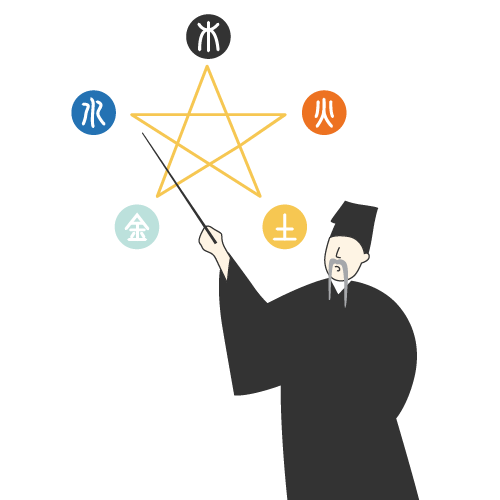
风水
fēngshuǐ
Feng Shui
Do Chinese People Still Believe in Superstitions Today?
Chinese superstitions remain an important part of the country’s cultural heritage, but attitudes towards them vary widely.
Some people genuinely believe that lucky numbers, auspicious dates, or certain customs can influence good fortune. Others simply follow these traditions out of respect for family members or because they have become part of everyday life.
You’ll still find many examples of these beliefs in modern China. Couples may choose a lucky wedding date, businesses often celebrate grand openings using red decorations and lion dances, and property buyers may prefer addresses containing the number eight while avoiding the number four.
For younger generations, these customs are often viewed more as cultural traditions than strict rules. Even so, understanding their meanings helps explain many aspects of Chinese society, from festivals and gift-giving to architecture and business etiquette.
Why Understanding Chinese Superstitions Matters
Learning about Chinese superstitions offers more than just interesting facts, it provides valuable insight into Chinese language, history, and culture.
Many traditional beliefs are closely connected to the pronunciation of Chinese words, making them an excellent way to understand how language has shaped cultural customs. Concepts such as lucky numbers, symbolic colors, and gift-giving etiquette become much easier to understand once you recognize the meanings behind them.
Whether you’re travelling to China, learning Mandarin, studying Chinese culture, or doing business with Chinese partners, being familiar with these traditions can help you avoid misunderstandings and show greater cultural awareness.
Most importantly, Chinese superstitions remind us that language and culture are deeply connected. By understanding the stories and symbolism behind these beliefs, you’ll gain a richer appreciation of both the Chinese language and the traditions that continue to shape everyday life today.
Learn More About Chinese Culture
Interested in discovering more about Chinese traditions and history?
Explore our guide on the Chinese Zodiac: The 12 Animals Explained
Useful Chinese Vocabulary
| chinese | pinyin | english |
|---|---|---|
| 好运 | hǎoyùn | luck |
| 福气 | fúqì | good fortune |
| 吉利 | jílì | lucky |
| 不吉利 | bù jílì | unlucky |
| 数字 | shùzì | number |
| 颜色 | yánsè | color |
| 红色 | hóngsè | red |
| 金色 | jīnsè | gold |
| 白色 | báisè | white |
| 黑色 | hēisè | black |
| 风水 | fēngshuǐ | feng shui |
| 发财 | fācái | prosperity |
| 财富 | cáifù | wealth |
| 红包 | hóngbāo | red envelope |
| 长寿 | chángshòu | longevity |