Learning colors in Chinese is a useful way to build practical Mandarin vocabulary. You’ll encounter color words when shopping for clothes, describing objects, talking about your preferences and learning about Chinese culture.
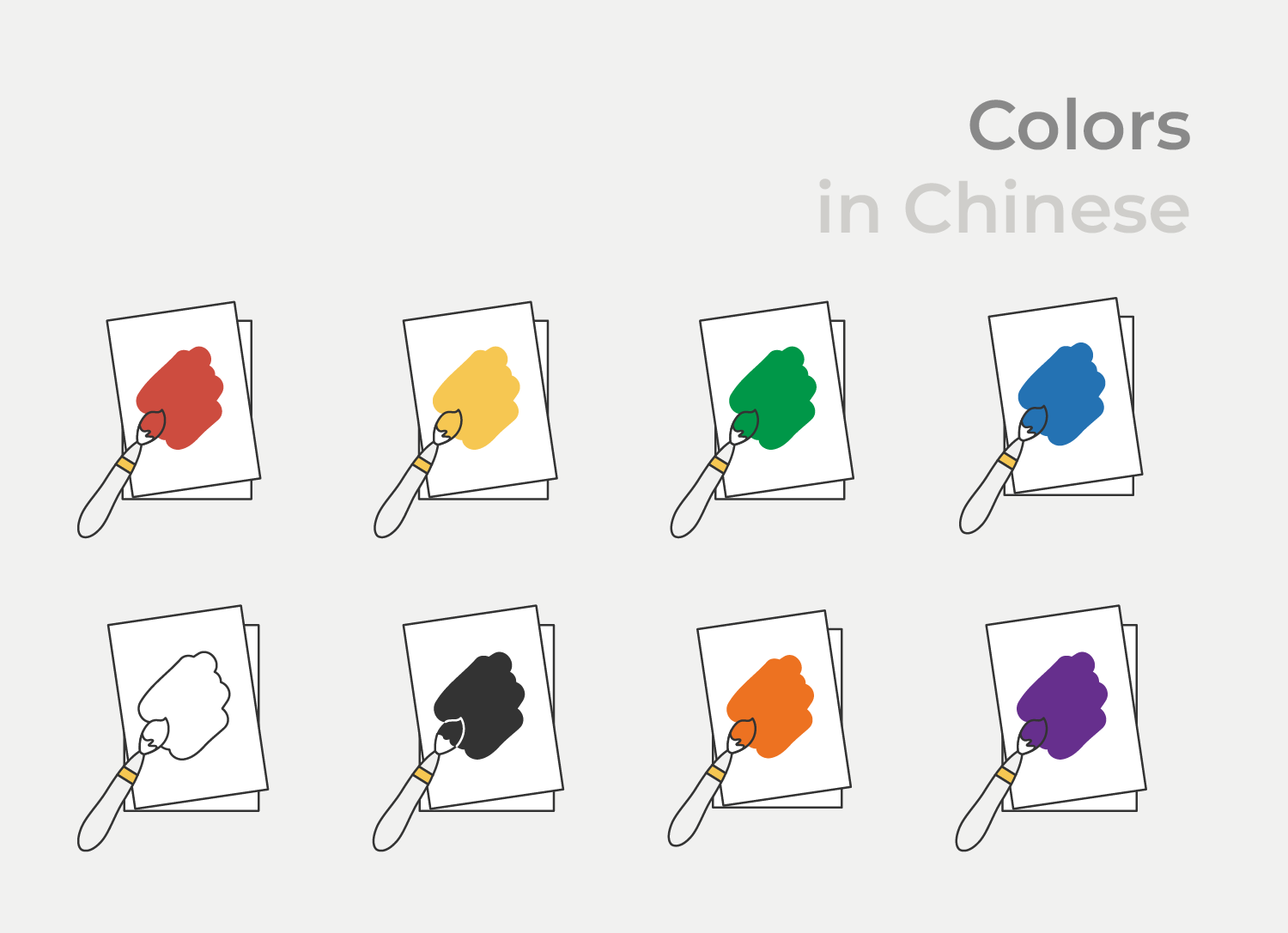
The word for “color” in Mandarin is 颜色 (yánsè). From there, you can build a useful vocabulary of everyday colors, including 红色 (hóngsè) for red, 黄色 (huángsè) for yellow, 蓝色 (lánsè) for blue and 绿色 (lǜsè) for green.
Chinese colors are also interesting from a cultural perspective. Colors such as red, gold and white can carry associations that are different from those in Western cultures, particularly during festivals, weddings and other important occasions.
In this guide, you’ll learn the most common Chinese color names, how to use them in everyday Mandarin sentences, and what some colors traditionally represent in Chinese culture.
Key Takeaways
-
颜色 (yánsè) means “color” or “colour” in Mandarin.
-
Common colors include 红色 (hóngsè) for red, 黄色 (huángsè) for yellow, 蓝色 (lánsè) for blue and 绿色 (lǜsè) for green.
-
色 (sè) is commonly used as part of standard color names.
-
Color words can be used to describe objects, clothes and personal preferences.
-
Red is strongly associated with good fortune, celebration and happiness in Chinese culture.
-
White has traditionally been associated with mourning and funerals.
How Do You Say “Color” in Chinese?
The word for “color” in Mandarin is:
颜色
yánsè
color / colour
You can use 颜色 when asking someone about a color or describing the color of something.
For example:
你喜欢什么颜色?
Nǐ xǐhuan shénme yánsè?
What color do you like?
You can answer:
我喜欢蓝色。
Wǒ xǐhuan lánsè.
I like blue.
The character 色 (sè) is commonly found at the end of standard color names, such as:
- 红色 (hóngsè) — red
- 黄色 (huángsè) — yellow
- 蓝色 (lánsè) — blue
- 绿色 (lǜsè) — green
You’ll sometimes see color words used without 色 in certain contexts, but for beginners, learning the standard color + 色 forms is a useful starting point.
Basic Colors in Chinese
Here are some of the most useful Chinese color names to learn first. The table includes the English meaning, simplified Chinese, pinyin and an example sentence so you can learn each word in context.
| English | Chinese | Pinyin | Example Sentence | |
|---|---|---|---|---|
 |
Red | 红色 | hóngsè | 我喜欢红色。 Wǒ xǐhuan hóngsè. I like red. |
|
|
Yellow | 黄色 | huángsè | 黄色很好看。 Huángsè hěn hǎokàn. Yellow looks nice. |
|
|
Blue | 蓝色 | lánsè | 我喜欢蓝色。 Wǒ xǐhuan lánsè. I like blue. |
|
|
Green | 绿色 | lǜsè | 绿色很漂亮。 Lǜsè hěn piàoliang. Green is beautiful. |
|
|
White | 白色 | báisè | 她穿白色的衣服。 Tā chuān báisè de yīfu. She is wearing white clothes. |
|
|
Black | 黑色 | hēisè | 他喜欢黑色。 Tā xǐhuan hēisè. He likes black. |
|
|
Gold | 金色 | jīnsè | 金色看起来很漂亮。 Jīnsè kàn qǐlái hěn piàoliang. Gold looks beautiful. |
|
|
Purple | 紫色 | zǐsè | 她喜欢紫色。 Tā xǐhuan zǐsè. She likes purple. |

How to Use Colors in Chinese Sentences
Once you know the basic color names, you can use a few simple sentence patterns to talk about colors in everyday Mandarin.
我喜欢 + Color
To say “I like…”, use 喜欢 (xǐhuan):
我喜欢红色。
Wǒ xǐhuan hóngsè.
I like red.
You can replace 红色 with any color:
我喜欢绿色。
Wǒ xǐhuan lǜsè.
I like green.
你喜欢什么颜色?
To ask someone “What color do you like?”, say:
你喜欢什么颜色?
Nǐ xǐhuan shénme yánsè?
What color do you like?
A simple answer is:
我喜欢蓝色。
Wǒ xǐhuan lánsè.
I like blue.
你喜欢红色吗?
You can also ask whether someone likes a specific color:
你喜欢红色吗?
Nǐ xǐhuan hóngsè ma?
Do you like red?
You can answer:
喜欢。
Xǐhuan.
Yes, I do.
or:
不喜欢。
Bù xǐhuan.
No, I don’t.
These simple patterns allow you to use your new Chinese color vocabulary in conversation instead of memorising the color names on their own.
How to Describe Objects With Colors
Once you know the basic color names, you can combine them with nouns to describe the things around you.
A common structure is:
Color + 的 (de) + Noun
For example:
红色的车
hóngsè de chē
red car
蓝色的衣服
lánsè de yīfu
blue clothes
黑色的鞋子
hēisè de xiézi
black shoes
You can also put these phrases into complete sentences:
我喜欢红色的车。
Wǒ xǐhuan hóngsè de chē.
I like red cars.
她买了一件黑色的衣服。
Tā mǎi le yí jiàn hēisè de yīfu.
She bought a black item of clothing.
Here, 的 (de) connects the color description to the noun. This pattern is useful whenever you want to describe a specific object by its color.
Traditional Meanings of Colors in Chinese Culture
Colors can carry cultural associations in China that are different from those in other countries. These meanings can vary depending on the context, but some associations are particularly common.
Red — 红色 (hóngsè)
Red is one of the most culturally significant colors in China. It is strongly associated with:
-
Good fortune
-
Happiness
-
Celebration
-
Prosperity
You’ll see red frequently during Chinese New Year, weddings and other celebrations. Red envelopes, decorations and festive clothing are all common examples.

Yellow — 黄色 (huángsè)
Yellow has historically been associated with imperial power, prestige and authority. It has a long history of significance in Chinese culture, particularly in connection with the imperial court.

Green — 绿色 (lǜsè)
Green is commonly associated with nature, growth and freshness. However, green can also have specific meanings in particular Chinese expressions, so its interpretation depends on context.
White — 白色 (báisè)
White has traditionally been associated with mourning and funerals in Chinese culture. This is an important cultural difference for learners to understand, as white may have very different associations in other cultures.

Black — 黑色 (hēisè)
Black can be associated with seriousness, formality and strength, although its meaning varies depending on the context.

Gold — 金色 (jīnsè)
Gold is often associated with wealth, prosperity, success and luxury. It is frequently paired with red in festive decorations.

Purple — 紫色 (zǐsè)
Purple has historical associations with nobility, prestige and status. In modern contexts, however, its meaning can vary depending on how and where it is used.
Check out our guide to Chinese lucky colors to learn more.
Colors Used During Chinese Festivals
Color becomes especially visible during Chinese festivals, where decorations, clothing and gifts often carry cultural meaning.
Chinese New Year
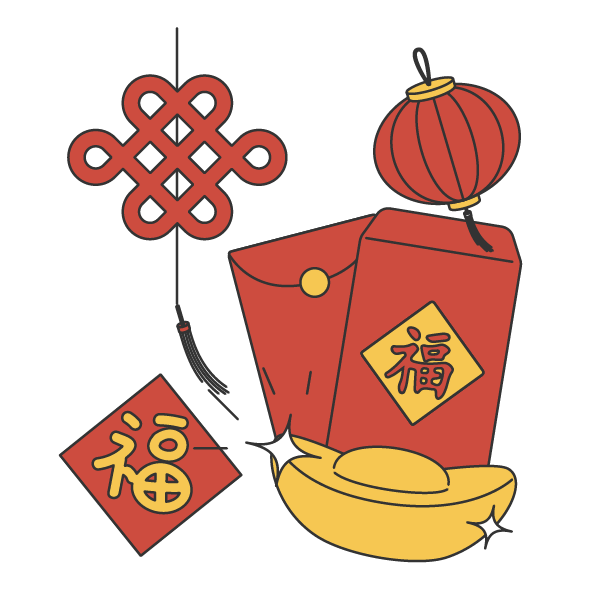
Red is the most prominent color during Chinese New Year. You’ll commonly see it used for:
- Red envelopes (红包, hóngbāo)
- Lanterns
- Paper decorations
- Door decorations
- Festive clothing
Red is traditionally associated with good luck, happiness and prosperity, which makes it a natural choice for welcoming the new year.
Gold is also commonly paired with red in New Year decorations because of its associations with wealth and prosperity.
Chinese Weddings
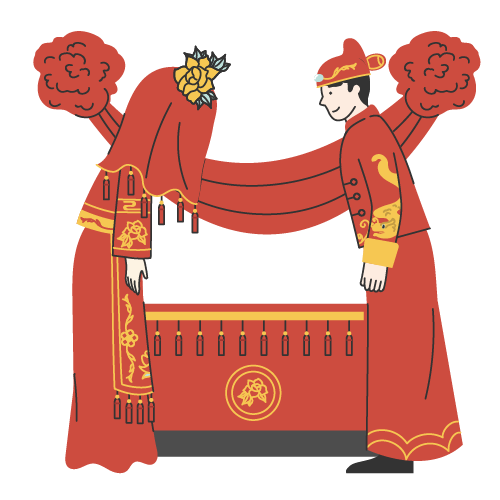
Red is also an important color at traditional Chinese weddings. It may appear in:
- Wedding clothing
- Decorations
- Invitations
- Gift packaging
The color is associated with happiness, celebration and good fortune.
See our full guide to Chinese Weddings and Customs here.
Why Color Matters
Understanding these associations can help you recognize the meaning behind the colors you see when visiting China or taking part in Chinese celebrations.
At the same time, modern Chinese society uses a much wider range of colors in everyday life. Traditional symbolism is most noticeable in specific cultural, ceremonial and festive contexts.
Common Mistakes When Learning Chinese Colors
Color vocabulary is relatively straightforward, but there are a few details that can confuse beginners.
1. Forgetting 色 (sè)
Many standard color names are formed by adding 色 (sè) to the color word:
红色 — red
蓝色 — blue
绿色 — green
黄色 — yellow
You’ll sometimes encounter color words without 色, but learning the full forms first is a useful starting point.
2. Forgetting the Tones
Pay attention to the tones when learning color vocabulary. For example:
蓝 (lán) — second tone
绿 (lǜ) — fourth tone
紫 (zǐ) — third tone
Getting the tone wrong can affect how clearly you’re understood, so practice the pronunciation together with the word rather than memorising the characters alone.
3. Assuming Colors Have the Same Meaning Everywhere
Color symbolism isn’t universal.
For example, white (白色, báisè) has traditionally been associated with mourning in Chinese culture, while white may have stronger associations with weddings or purity in other cultures.
Similarly, red (红色, hóngsè) has particularly strong associations with good fortune and celebration in China.
When learning about Chinese color meanings, always consider the cultural and social context rather than treating a color as having one fixed meaning.