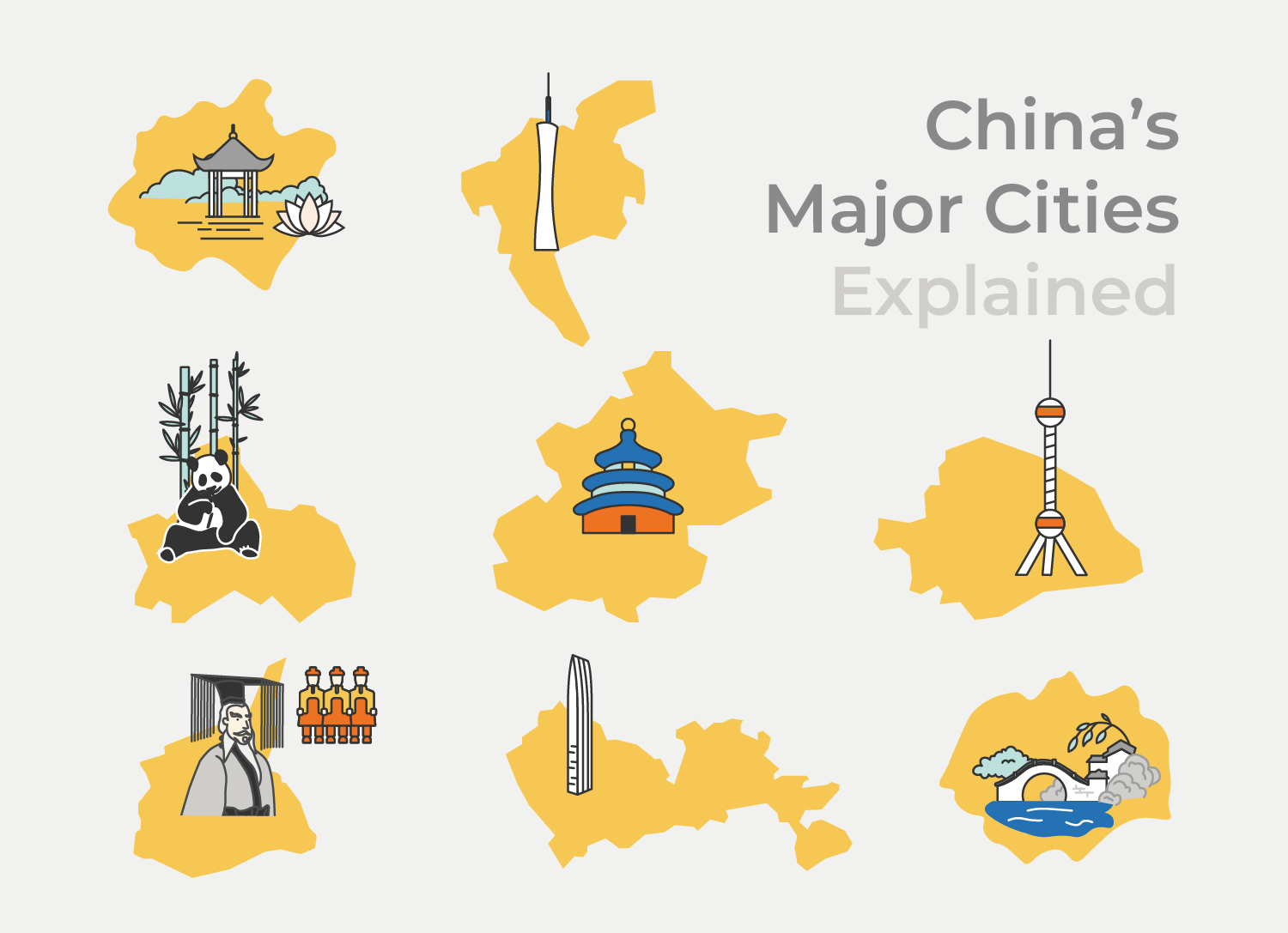
China is home to some of the world’s largest and most distinctive cities, but they offer very different experiences. Beijing is known for imperial history and traditional culture, while Shanghai feels more international and modern. In the south, Guangzhou is closely associated with Cantonese culture and cuisine, while Shenzhen is known for technology and rapid development.
Further west, Chengdu is famous for Sichuan food and pandas, while Xi’an offers a window into China’s ancient history. Cities such as Hangzhou and Suzhou combine traditional Chinese landscapes and culture with modern urban life.
Whether you’re planning a trip, considering where to study Mandarin or simply trying to understand China’s major cities, knowing what makes each one different can help you decide which places interest you most.
Key Takeaways
-
China’s major cities have very different histories, cultures and lifestyles.
-
Beijing is ideal for history, museums and traditional Chinese culture.
-
Shanghai offers a mix of modern China, international business and historic neighbourhoods.
-
Guangzhou is a great introduction to Cantonese culture and southern Chinese food.
-
Shenzhen is known for technology, entrepreneurship and modern urban development.
-
Chengdu combines Sichuan food, tea-house culture and the famous giant pandas.
-
Hangzhou and Suzhou are particularly known for traditional landscapes, gardens and waterways.
-
Xi’an is one of the best cities to visit for ancient Chinese history and archaeology.

Beijing
Beijing (北京, Běijīng) is China’s capital and one of the best places to start if you’re interested in the country’s history and traditional culture.
The city has been an important political centre for centuries and was the capital of several major Chinese dynasties. You can see that history in places such as the Forbidden City, Temple of Heaven, and Summer Palace, while the city’s traditional hutongs offer a glimpse into older styles of urban life.
Beijing is also particularly interesting for Mandarin learners. Standard Mandarin is based largely on the pronunciation of the Beijing dialect, although everyday Beijing speech has its own distinctive features. One you’ll often encounter is 儿化 (érhuà), where an “r” sound is added to the end of certain words.
Beyond its historical landmarks, Beijing has a thriving contemporary food and arts scene. You can try Peking duck, explore its hutongs, visit modern art districts or spend a day travelling out to the Great Wall.
Why visit Beijing?
Beijing is a strong choice if you’re interested in:
- Chinese history and imperial culture
- Museums and historic landmarks
- Traditional architecture
- Mandarin
- Chinese art and culture
For students, it offers the opportunity to learn Mandarin while being surrounded by some of the most important historical sites in China.
Shanghai
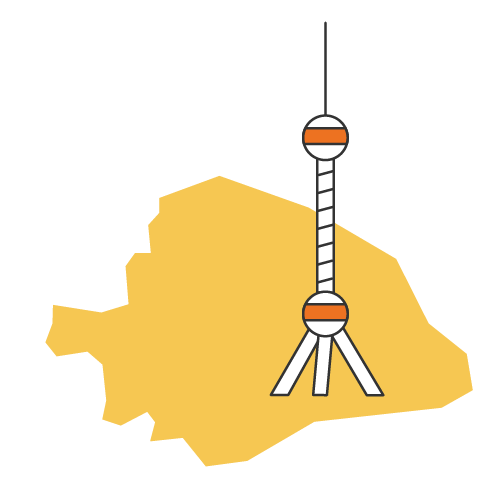
Shanghai (上海, Shànghǎi) offers a very different experience. Located on China’s eastern coast, it is one of the country’s major financial and commercial centres and has a distinctly international atmosphere.
The city is famous for its dramatic skyline, but modern Shanghai sits alongside neighbourhoods and buildings that reflect its more complicated history. The Bund, for example, is lined with historic buildings from Shanghai’s period as an international trading port, while areas such as the former French Concession are known for their tree-lined streets and older architecture.
Shanghai also has its own local language, Shanghainese (上海话, Shànghǎihuà), which belongs to the Wu family of Chinese language varieties. Mandarin is widely used, however, so visitors and Mandarin learners can generally communicate without difficulty.
The city’s food culture is equally distinctive. Shanghai is known for dishes such as xiaolongbao (小笼包) and other Jiangnan-style cuisine.
Why visit Shanghai?
Shanghai is particularly suited to people interested in:
- Modern Chinese cities
- Architecture and design
- Business and finance
- Shopping and food
- International culture
For students and young professionals, Shanghai can be attractive because it combines a major Chinese-language environment with a highly international city lifestyle.

Guangzhou
Guangzhou (广州, Guǎngzhōu) is the capital of Guangdong Province in southern China and one of the country’s most important commercial centres. It has a long history as a trading port, with connections to merchants and travellers from across Asia and beyond.
For visitors, one of Guangzhou’s biggest attractions is its Cantonese culture. Cantonese, known locally as 粤语 (Yuèyǔ) or 广东话 (Guǎngdōnghuà), is widely spoken alongside Mandarin. This makes Guangzhou particularly interesting for language learners who want to experience one of China’s major regional Chinese languages.
Food is another major part of the city’s identity. Guangzhou is one of the birthplaces of Cantonese cuisine, including dim sum, roast meats and dishes that make use of relatively light, fresh flavours compared with some of China’s spicier regional cuisines.
Some of the city’s best-known attractions include Canton Tower, Chen Clan Ancestral Hall, Shamian Island and Baiyun Mountain.
Why visit Guangzhou?
Guangzhou is a good choice if you’re interested in:
- Cantonese culture and language
- Chinese food
- Southern Chinese history
- Trade and business
- A less tourist-focused introduction to southern China
For Mandarin learners, Guangzhou also offers an interesting reminder that Mandarin is not the only Chinese language variety used in everyday life.
Shenzhen
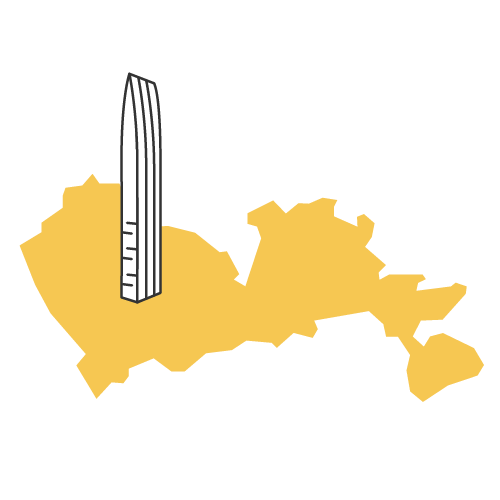
Just north of Hong Kong, Shenzhen (深圳, Shēnzhèn) is one of China’s most modern cities.
Unlike Beijing or Xi’an, Shenzhen does not have centuries of history as a major Chinese capital. Its transformation from a relatively small settlement into a major city accelerated after it became China’s first Special Economic Zone in 1980.
Today, Shenzhen is strongly associated with technology, manufacturing, entrepreneurship and innovation. The city is home to major technology companies and has become an important centre for China’s modern economy.
Shenzhen is also linguistically diverse. People have moved to the city from different parts of China, so you can hear many regional accents and varieties of Chinese. Mandarin is the main common language, making it the language most useful for everyday communication.
The city offers a different kind of sightseeing experience from historic Beijing or Xi’an. Visitors can explore the modern skyline, Shenzhen Bay, contemporary cultural spaces and the city’s greener coastal areas, including the Dapeng Peninsula.
Why visit Shenzhen?
Shenzhen is particularly interesting for people interested in:
- Technology and innovation
- Entrepreneurship and business
- Modern Chinese cities
- Contemporary architecture
- China’s rapid economic development
For students and young professionals, Shenzhen can be especially appealing if you’re interested in the intersection of Mandarin, technology and China’s modern business environment.

Chengdu
Chengdu (成都, Chéngdū) is the capital of Sichuan Province and one of the most distinctive cities in Southwest China. It is perhaps best known internationally for its giant pandas, but there is much more to the city than its most famous residents.
Chengdu is closely associated with Sichuan cuisine, particularly dishes that combine chilli with the numbing sensation of Sichuan peppercorn. Local favourites include Sichuan hot pot and mapo tofu.
The city also has a strong tea-house culture. Spending an afternoon in a traditional tea house is a simple way to experience a slower side of urban life in China. People’s Park, for example, is a popular place to drink tea, chat and watch everyday life unfold.
Mandarin is widely spoken in Chengdu, although you’ll also hear Sichuanese varieties of Mandarin in everyday conversation.
Some of the city’s best-known attractions include the Chengdu Research Base of Giant Panda Breeding, Wuhou Shrine, Jinli Ancient Street and People’s Park.
Why visit Chengdu?
Chengdu is particularly appealing if you’re interested in:
- Sichuan food
- Giant pandas
- Tea-house culture
- Regional Chinese culture
- A more relaxed city atmosphere
For Mandarin students, Chengdu can be an appealing alternative to China’s biggest megacities, offering a major urban environment while providing plenty of opportunities to experience local culture.

Hangzhou
Hangzhou (杭州, Hángzhōu) is the capital of Zhejiang Province and is best known for its beautiful landscapes, particularly West Lake (西湖, Xī Hú).
The city has long been associated with the Jiangnan region of eastern China, an area historically known for waterways, gardens, silk and refined urban culture. Its landscape has inspired Chinese poets, painters and writers for centuries.
Hangzhou is also a good example of the contrast between traditional and modern China. Alongside historic temples, tea plantations and traditional streets, the city has developed into an important technology and business centre.
The area around Hangzhou is famous for Longjing tea (龙井茶, Lóngjǐng chá), one of China’s best-known green teas.
Visitors can explore West Lake, Lingyin Temple, Longjing tea fields and Hefang Street.
Why visit Hangzhou?
Hangzhou is a particularly good choice for people interested in:
- Traditional Chinese landscapes
- Tea culture
- Gardens and temples
- Chinese literature and aesthetics
- Modern technology and business
For students and young professionals, Hangzhou offers an interesting combination of traditional Chinese culture and modern city life.

Xi’an
Xi’an (西安, Xī’ān) is one of the best cities in China for understanding the country’s ancient history. Located in Shaanxi Province, it served as the capital of several important Chinese dynasties and was the eastern starting point of the historic Silk Road.
The city’s most famous attraction is the Terracotta Army, discovered outside Xi’an in 1974. The thousands of life-sized figures were created to accompany China’s first emperor, Qin Shi Huang, in the afterlife.
Xi’an’s history is also visible within the city itself. The Xi’an City Wall surrounds much of the historic centre, while the Big Wild Goose Pagoda reflects the city’s long connection with Buddhism and cultural exchange.
The city has its own distinctive food culture, influenced partly by the Muslim communities that have lived in the area for centuries. The Muslim Quarter is particularly well known for foods such as roujiamo (肉夹馍), biangbiang noodles and lamb dishes.
Mandarin is the main language used in Xi’an, although local varieties of Mandarin are also spoken.
Why visit Xi’an?
Xi’an is particularly suited to people interested in:
- Ancient Chinese history
- Archaeology
- The Silk Road
- Chinese architecture
- Regional food culture
For students, Xi’an can be especially rewarding because history is difficult to separate from everyday life in the city. It offers a chance to learn about China while seeing many of its historical periods represented in the places around you.

Suzhou
Suzhou (苏州, Sūzhōu) is a historic city in Jiangsu Province, close to Shanghai. It is famous for its classical gardens, canals and traditional Jiangnan culture.
Suzhou’s gardens are among the finest examples of traditional Chinese garden design. Rather than simply planting flowers and trees, classical gardens were carefully designed around elements such as rocks, ponds, pavilions, pathways and views, creating miniature landscapes that reflected traditional Chinese ideas about nature.
The city is also known for its network of canals and its long history of silk production. Walking through the older parts of Suzhou gives visitors a very different experience from the skyscrapers and busy streets of nearby Shanghai.
Suzhou has its own local variety of Wu Chinese, commonly referred to as Suzhounese, although Mandarin is widely used today.
Popular places to visit include the Humble Administrator’s Garden, Lingering Garden, Suzhou Museum and the city’s historic canal districts.
Why visit Suzhou?
Suzhou is a good choice for people interested in:
- Traditional Chinese gardens
- Classical architecture
- Canals and historic neighbourhoods
- Chinese art and aesthetics
- Traditional culture
For students and visitors who find Shanghai too fast-paced, Suzhou offers a more relaxed way to experience the cultural traditions of the Jiangnan region while remaining close to one of China’s biggest cities.
Major Chinese Cities: What’s the Difference?
If you’re deciding which Chinese city to visit or study in, each option is a very different place to start.
| city | best known for | language & culture | best for |
|---|---|---|---|
| Beijing | History, politics and imperial culture | Mandarin, with distinctive Beijing features | History, culture and Mandarin |
| Shanghai | Finance, architecture and international culture | Mandarin alongside Shanghainese | Modern China, business and city life |
| Guangzhou | Cantonese culture, food and trade | Cantonese and Mandarin | Food, southern China and regional culture |
| Shenzhen | Technology and innovation | Mandarin in a highly diverse city | Technology, business and modern China |
| Chengdu | Sichuan food, pandas and tea houses | Mandarin and Sichuan varieties | Food, lifestyle and regional culture |
| Hangzhou | West Lake, tea and technology | Mandarin and local Wu varieties | Nature, culture and technology |
| Xi’an | Ancient history and the Silk Road | Mandarin and local varieties | History and archaeology |
| Suzhou | Gardens, canals and silk | Mandarin and Suzhounese | Traditional culture and architecture |
If you’re fascinated by China’s history, Beijing or Xi’an may be the most rewarding. If you want to experience a modern, international Chinese city, Shanghai or Shenzhen may be a better fit.
For food and regional culture, Guangzhou and Chengdu offer particularly distinctive experiences. Meanwhile, Hangzhou and Suzhou are good choices for travellers who want to explore traditional Chinese landscapes and culture without staying in one of China’s biggest megacities.
Major Cities in China for Students and Language Learners
Choosing a city to study Mandarin is about more than finding a good language school. The city you live in will shape how much Chinese you hear, what kind of culture you experience and what your everyday life looks like.
Consider the Mandarin Environment
Mandarin is widely used throughout China, but every region also has its own accents and local languages. In Guangzhou, for example, you’ll hear Cantonese alongside Mandarin, while Shanghai has its own Wu Chinese language variety.
For a learner, this can be a positive thing. Learning Mandarin in China doesn’t mean every person you meet will speak exactly like your textbook. Hearing different accents and language varieties can help you become a more flexible listener.
Consider the Size and Pace of the City
The largest cities can offer extensive public transport, international communities, restaurants and entertainment, but they can also feel fast-paced and busy.
Shanghai and Shenzhen, for example, are highly international and commercially focused, while Chengdu is often associated with a more relaxed pace of life. Xi’an and Suzhou can offer a stronger sense of historical surroundings.
There’s no universally better option; it depends on the kind of environment in which you learn best.
Consider Cost of Living
Living costs vary considerably between Chinese cities. Accommodation, transport, food and entertainment can all differ depending on the city and neighbourhood.
Rather than choosing a city based purely on whether it is considered “cheap” or “expensive,” think about the lifestyle you want and what you need from your surroundings.
Consider What You Want to Experience
Your city can also determine the type of Chinese culture you encounter outside the classroom.
You might choose:
- Beijing for imperial history and Mandarin
- Shanghai for international city life
- Guangzhou for Cantonese culture and southern Chinese food
- Shenzhen for technology and entrepreneurship
- Chengdu for Sichuan culture and food
- Hangzhou for tea, scenery and traditional culture
- Xi’an for ancient history and the Silk Road
- Suzhou for gardens, canals and classical Chinese aesthetics
For language learners, this is one of the biggest advantages of studying in China: the classroom is only one part of the learning experience. Ordering food, taking public transport, chatting with shopkeepers and exploring a new neighbourhood all provide opportunities to use Mandarin in real situations.
Chinese City Vocabulary
If you’re learning Mandarin, these words are useful when talking about cities and getting around China.
| English | Chinese | Pinyin |
|---|---|---|
| city | 城市 | chéngshì |
| capital | 首都 | shǒudū |
| province | 省 | shěng |
| downtown / city centre | 市中心 | shì zhōngxīn |
| old town / old city area | 老城区 | lǎo chéngqū |
| district | 区 | qū |
| train station | 火车站 | huǒchēzhàn |
| airport | 机场 | jīchǎng |
| subway / metro | 地铁 | dìtiě |
| tourist attraction | 景点 | jǐngdiǎn |
One particularly useful word is 市中心 (shì zhōngxīn), meaning “city center.” You’ll see it frequently when looking for restaurants, shops, hotels and other places in a Chinese city.