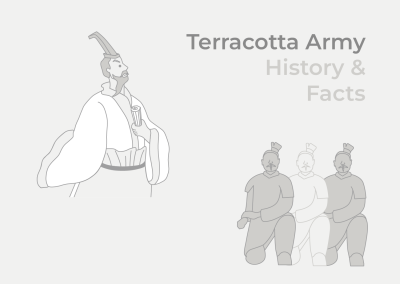
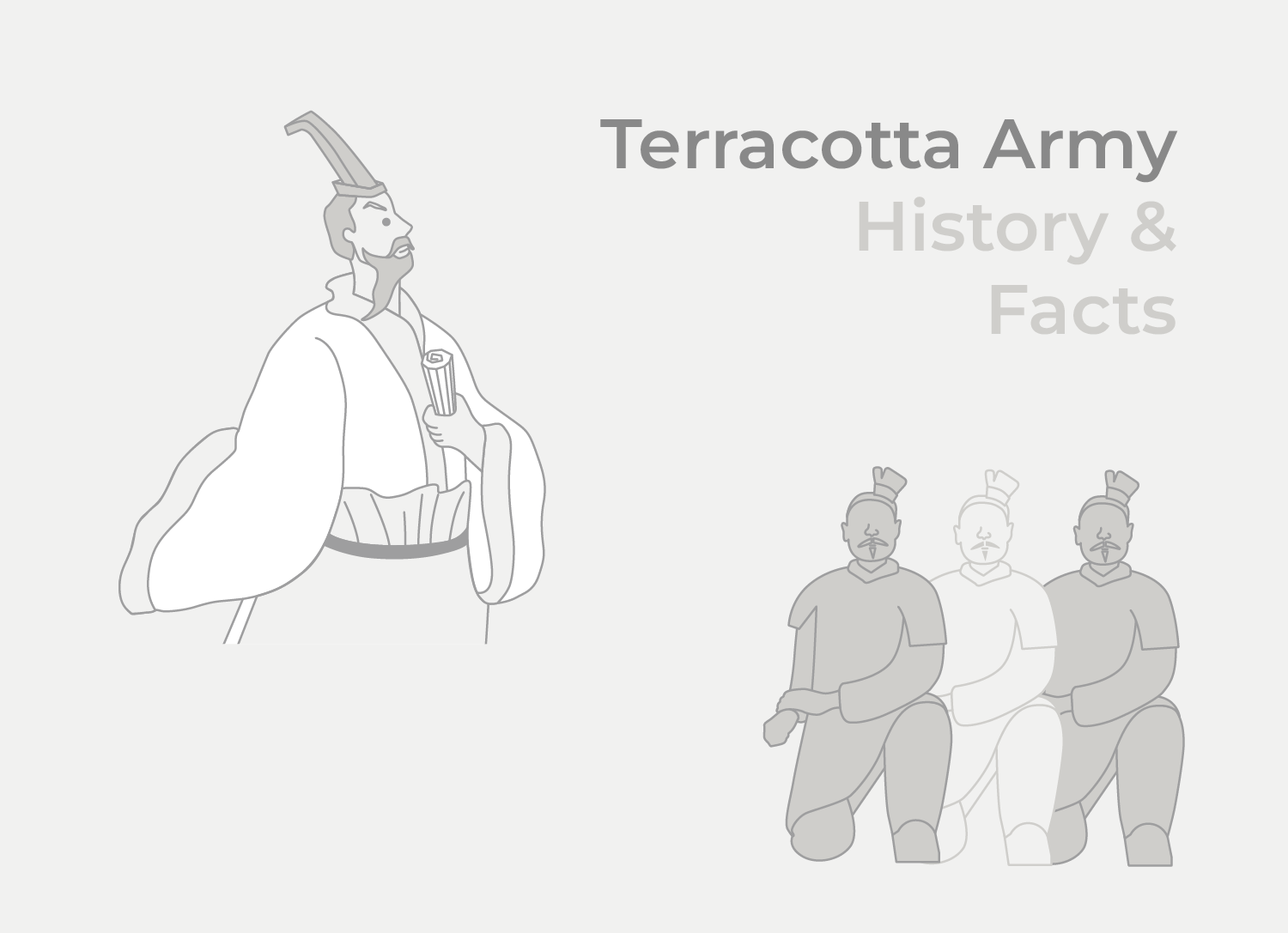
The Terracotta Army is one of the world’s greatest archaeological discoveries and one of China’s most famous historical treasures. Hidden underground for more than 2,000 years, this extraordinary collection of life-sized clay soldiers was created to guard Emperor Qin Shi Huang, China’s first emperor, in the afterlife.
Located near the city of Xi’an in Shaanxi Province, the Terracotta Army forms part of the emperor’s vast mausoleum complex. Thousands of warriors, horses, and chariots stand in carefully arranged military formations, offering a remarkable glimpse into the power, craftsmanship, and beliefs of ancient China.
Since its discovery in 1974, the Terracotta Army has fascinated historians, archaeologists, and visitors from around the world. Today, it is recognised as a UNESCO World Heritage Site and is considered one of the most important archaeological finds of the 20th century.
Whether you’re interested in Chinese history, planning a visit to Xi’an, or simply curious about one of the world’s most extraordinary ancient monuments, this guide explains everything you need to know about the Terracotta Army, from why it was built to the fascinating stories.
Key Takeaways
-
The Terracotta Army is a collection of thousands of life-sized clay warriors buried near Xi’an, China.
-
It was created over 2,200 years ago to guard the tomb of Emperor Qin Shi Huang, the first emperor of China.
-
Archaeologists estimate there are more than 8,000 terracotta warriors, along with horses, chariots, and military equipment.
-
The army remained hidden underground until it was accidentally discovered by local farmers in 1974.
-
Today, the Terracotta Army is part of a UNESCO World Heritage Site and one of China’s most visited historical attractions.
What Is the Terracotta Army?
The Terracotta Army is a vast collection of life-sized clay figures buried near the tomb of Emperor Qin Shi Huang, the founder of the Qin Dynasty and the first emperor to unify China.
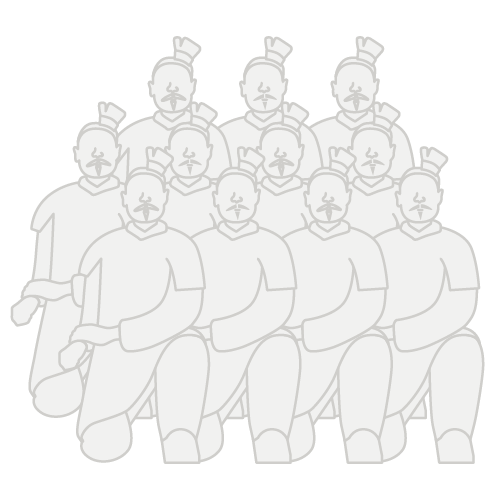
The underground army includes soldiers, generals, archers, cavalry, horses, and chariots arranged in realistic military formations. Archaeologists believe the figures were created to protect the emperor in the afterlife, reflecting the ancient Chinese belief that life continued after death.
Each warrior was carefully crafted with unique facial features, hairstyles, clothing, and armour, making no two figures exactly alike. Originally, the statues were brightly painted in vivid colours, although much of the paint faded soon after they were excavated.
The Terracotta Army is only one part of an enormous mausoleum complex built for Emperor Qin Shi Huang. The emperor’s tomb itself remains sealed, and archaeologists continue to study the surrounding site using modern technology while carefully preserving this remarkable piece of Chinese history.
Today, the Terracotta Army is recognised as one of the world’s most important archaeological discoveries, attracting millions of visitors each year and offering an extraordinary window into life during ancient China’s first empire.
天坛
Bīngmǎyǒng
Terracotta Army
Where Is the Terracotta Army?
The Terracotta Army is located around 40 kilometres (25 miles) east of Xi’an, the capital of Shaanxi Province in north-west China.
Xi’an was once known as Chang’an, one of the most important cities in ancient China and the starting point of the famous Silk Road. As the capital of several Chinese dynasties, it played a central role in the country’s political, cultural, and economic history.
The Terracotta Army forms part of the Mausoleum of Emperor Qin Shi Huang, a vast archaeological site covering dozens of square kilometres. Today, visitors can explore the Museum of the Terracotta Army, where several excavation pits display thousands of warriors, horses, and chariots exactly as they were uncovered by archaeologists.
Its location near Xi’an makes the Terracotta Army one of China’s most popular historical attractions and a highlight for visitors interested in ancient Chinese civilisation.
Why Was the Terracotta Army Built?
The Terracotta Army was built to protect Emperor Qin Shi Huang in the afterlife. Ancient Chinese beliefs held that life continued after death, and many rulers prepared elaborate tombs filled with the possessions, treasures, and servants they believed they would need in the next world.
Rather than being buried with a real army, Qin Shi Huang ordered thousands of life-sized clay soldiers, horses, and chariots to accompany him. These terracotta warriors were arranged in realistic military formations, ready to defend the emperor’s tomb for eternity.
The enormous scale of the project also reflected Qin Shi Huang’s immense power. As the first emperor to unite China, he wanted his mausoleum to demonstrate his authority even after death. The vast underground army symbolised the strength of his empire and his belief that his rule would continue beyond this life.
Historians also believe the Terracotta Army represented a significant shift away from earlier burial practices. In some ancient Chinese states, servants and soldiers were buried alive alongside rulers. By using detailed clay figures instead, Qin Shi Huang created an extraordinary substitute that avoided the need for large-scale human sacrifice while still reflecting traditional beliefs about the afterlife.
Today, the Terracotta Army provides valuable insight into the religious beliefs, military organisation, and artistic achievements of the Qin Dynasty, helping historians better understand one of the most important periods in Chinese history.
Who Was Emperor Qin Shi Huang?
Qin Shi Huang (259–210 BC) was the first emperor to unite China, bringing together several rival kingdoms in 221 BC to establish the Qin Dynasty. Before his reign, China was divided into competing states that had spent centuries fighting for power during the Warring States period.
As emperor, Qin Shi Huang introduced sweeping reforms that helped lay the foundations of imperial China. He standardised Chinese writing, currency, weights and measures, making trade and communication easier across the newly unified empire. He also expanded roads and canals, strengthened the central government, and ordered defensive walls in northern China to be connected, an early precursor to today’s Great Wall of China.
Although his achievements transformed China, Qin Shi Huang is also remembered as a strict and controversial ruler. His government imposed harsh laws based on the philosophy of Legalism, and historical records describe the suppression of political opposition and the burning of certain books to strengthen imperial control.
Fearing death and determined to secure his legacy, Qin Shi Huang commissioned one of the largest burial complexes ever constructed. At its heart lay his mausoleum, protected by thousands of terracotta warriors that would guard him in the afterlife. Construction is believed to have begun shortly after he became king of Qin, decades before he unified China.
Despite centuries of research, the emperor’s central tomb has never been opened. Archaeologists believe it may still contain extraordinary treasures, but excavation has been postponed to avoid damaging the site until preservation techniques improve.
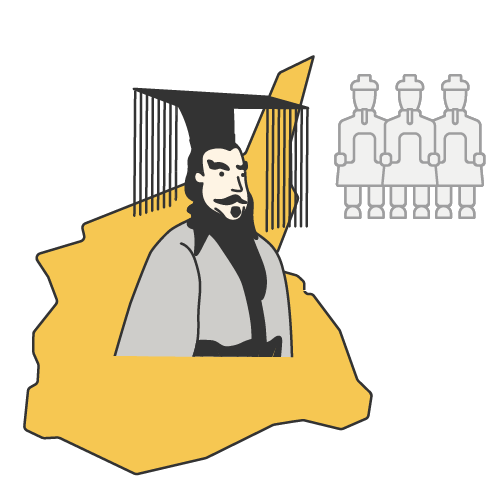
秦始皇帝
Qín Shǐ Huángdì
Emperor Qing Shu Huang
How Was the Terracotta Army Built?
Building the Terracotta Army was an enormous undertaking that is believed to have involved hundreds of thousands of workers over several decades. Craftsmen, labourers, artists, and engineers worked together to create one of the most ambitious construction projects in ancient China.
The warriors were made from terracotta, a type of fired clay that was readily available in the region. Instead of sculpting every figure from scratch, craftsmen used moulds to produce different body parts before assembling them by hand. Each statue was then individually finished, allowing artists to create unique facial features, hairstyles, expressions, and clothing.
After firing the figures in kilns, artisans painted them in bright colours, including red, blue, green, purple, and pink. Although most of the paint disappeared soon after excavation due to exposure to air, researchers have confirmed that the army was once vividly coloured rather than the grey appearance visitors see today.
The soldiers were also equipped with real bronze weapons, including swords, spears, crossbows, and arrowheads. Many of these weapons remained remarkably well preserved underground for more than 2,000 years, demonstrating the advanced metalworking techniques of the Qin Dynasty.
The Terracotta Army was organised according to real military formations, with infantry, cavalry, archers, generals, horses, and chariots positioned strategically throughout the burial pits. This careful arrangement suggests that the army was designed to mirror the emperor’s actual military forces, ready to protect him for eternity.
How Was the Terracotta Army Discovered?
For more than 2,000 years, the Terracotta Army remained hidden underground, unknown to the outside world. It wasn’t until 1974 that one of the greatest archaeological discoveries in history was made by accident.
The discovery happened when a group of local farmers were digging a well near the city of Xi’an. Instead of finding water, they uncovered fragments of clay figures and ancient pottery.
Archaeologists were quickly called to investigate the site. As excavations continued, they uncovered thousands of life-sized terracotta warriors buried in vast underground chambers.
The discovery attracted international attention and transformed our understanding of the Qin Dynasty. Today, archaeologists are still excavating the site, and new discoveries continue to be made.
The Terracotta Army is now protected as part of a UNESCO World Heritage Site and has become one of China’s most famous historical attractions.
What Does the Terracotta Army Include?
Although it’s known as the Terracotta Army, the site contains far more than just soldiers. Archaeologists have uncovered a complete military force, carefully arranged to mirror the emperor’s real army.
Each figure has its own role, rank, clothing, and equipment, making the collection remarkably realistic.
Infantry
The majority of the figures are infantry soldiers, who formed the backbone of the emperor’s army.
They stand in organised formations, carrying weapons such as spears, swords, and crossbows. Their armour and hairstyles vary depending on their military rank.
Generals
The generals are among the most detailed figures in the collection.
They are taller than ordinary soldiers and wear elaborate armour with decorative details that reflect their high status. Their confident posture and facial expressions help distinguish them from lower-ranking warriors.
Archers
The Terracotta Army includes both standing and kneeling archers.
The kneeling archers are particularly famous because many remain in excellent condition. Their realistic poses show the advanced military tactics used during the Qin Dynasty.
Cavalry
The cavalry figures stand beside their horses, ready for battle.
Mounted soldiers played an important role in the Qin army, providing speed and mobility during military campaigns.
Horses and Chariots
Hundreds of terracotta horses have been discovered alongside the warriors.
Wooden chariots once accompanied many of these horses, although the wood has largely decayed over time. Bronze fittings and other components have helped archaeologists reconstruct how the chariots originally looked.
Officials, Musicians and Acrobats
Not every figure discovered at the site is a soldier.
Archaeologists have also uncovered statues of government officials, musicians, acrobats, and entertainers, suggesting that Emperor Qin Shi Huang expected to continue enjoying court life in the afterlife, just as he had during his reign.
Interesting Terracotta Army Facts
The Terracotta Army continues to surprise archaeologists with new discoveries. Here are some of the most fascinating facts about this incredible archaeological site.
There Are More Than 8,000 Warriors
Archaeologists estimate that the site contains over 8,000 terracotta warriors, along with hundreds of horses, chariots, and other figures.
Not every statue has been excavated, so researchers continue to learn more about the site.
No Two Faces Are Exactly the Same
Each warrior has unique facial features, hairstyles, and expressions.
Although craftsmen used moulds to create the basic figures, every statue was individually finished by hand, giving each warrior its own appearance.
The Warriors Were Once Colourful
Today, the statues appear grey, but they were originally painted in bright colours.
Unfortunately, most of the paint flaked away shortly after excavation when it was exposed to air.
The Emperor’s Tomb Has Never Been Opened
Although the Terracotta Army has been extensively studied, Emperor Qin Shi Huang’s central tomb remains sealed.
Archaeologists have chosen not to excavate it until technology can better preserve whatever may be found inside.
Excavation Is Still Ongoing
Even after decades of research, archaeologists continue to uncover new artefacts and figures.
The Terracotta Army remains one of the world’s most active archaeological sites, with new discoveries regularly adding to our understanding of ancient China.
Can You Visit the Terracotta Army?
Yes. Today, the Terracotta Army is open to the public as the Museum of the Terracotta Warriors and Horses, one of China’s most popular historical attractions.
Located around 40 kilometres (25 miles) from the centre of Xi’an, the museum welcomes millions of visitors each year. It offers a unique opportunity to see one of the world’s most significant archaeological discoveries up close.
The museum is built around the original excavation site, allowing visitors to view the warriors exactly where they were uncovered. Large viewing platforms overlook the excavation pits, while exhibition halls display restored statues, bronze weapons, and other artefacts.
The Three Main Excavation Pits
The museum is divided into several excavation areas, each revealing a different part of the emperor’s underground army.
Pit 1
Pit 1 is the largest and most impressive excavation site.
It contains thousands of infantry soldiers arranged in battle formation and is the first area most visitors explore. The scale of the excavation gives an incredible sense of the size of the emperor’s army.
Pit 2
Pit 2 showcases a more varied military formation.
Here, visitors can see archers, cavalry, horses, and chariots, providing a better understanding of how the Qin army was organised.
Pit 3
Although much smaller, Pit 3 is believed to have served as the army’s command centre.
Archaeologists discovered high-ranking officers and ceremonial features, suggesting this area played an important leadership role within the underground military formation.
Museum Exhibitions
In addition to the excavation pits, the museum features galleries displaying carefully restored terracotta figures and ancient artefacts.
Visitors can see intricate bronze weapons, pottery, armour, and exhibits explaining how the warriors were built, buried, and eventually discovered.
Most visitors spend three to four hours exploring the museum, although those with a keen interest in Chinese history may wish to stay longer.
Learn More About Chinese History and Culture
If you enjoyed learning about the Terracotta Army, explore these related guides to discover more about China’s fascinating history and traditions:
Useful Chinese Vocabulary
| chinese | pinyin | english |
|---|---|---|
| 兵马俑 | Bīngmǎyǒng | Terracotta Army |
| 兵马俑战士 | Bīngmǎyǒng zhànshì | Terracotta Warrior |
| 皇帝 | Huángdì | Emperor |
| 秦朝 | Qín Cháo | Qin Dynasty |
| 陵园 | Língyuán | Mausoleum |
| 陵墓 | Língmù | Tomb |
| 考古学 | Kǎogǔxué | Archaeology |
| 博物馆 | Bówùguǎn | Museum |
| 战士 | Zhànshì | Warrior |
| 马 | Mǎ | Horse |
| 战车 | Zhànchē | Chariot |
| 西安 | Xī’ān | Xi’an |